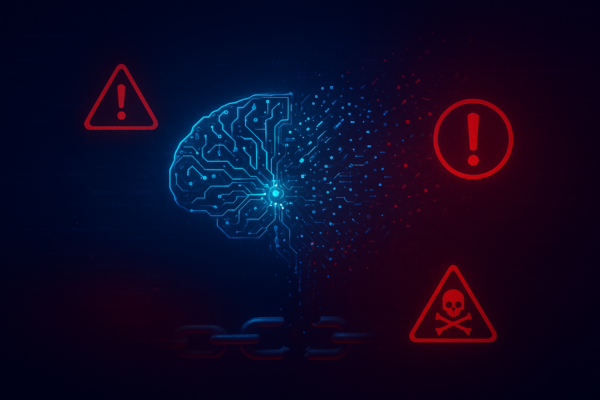
Key Risks of Self-Improving AI Systems Everyone Should Understand
Self-improving AI systems can learn and adapt without human input, but they carry serious risks including bias amplification, security threats, and loss of human control.

Self-improving AI systems can learn and adapt without human input, but they carry serious risks including bias amplification, security threats, and loss of human control.
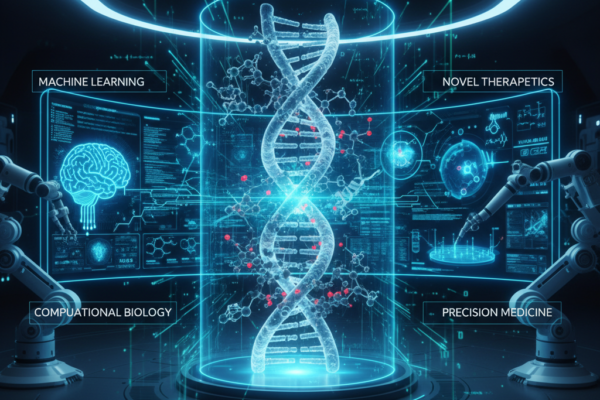
AI and Machine Learning are transforming drug discovery, cutting timelines from over a decade to just months. Learn how AI is reshaping biologics design and the future of medicine.

Ambient Intelligence (AmI), also called Invisible Intelligence, creates smart environments that sense human needs and respond automatically — without any manual input from users.

Blockchain is changing how digital identities are verified by replacing vulnerable centralized databases with decentralized, tamper-proof systems that give users control over their own data.

Robots are changing how humanity explores space. From NASA’s Mars rovers to AI-powered drones and space mining machines, automated missions are making deep-space exploration safer and more affordable.

AI is transforming smartwatches and fitness trackers into intelligent health companions. Learn how AI-powered wearables deliver personalized insights, advanced health monitoring, and more.
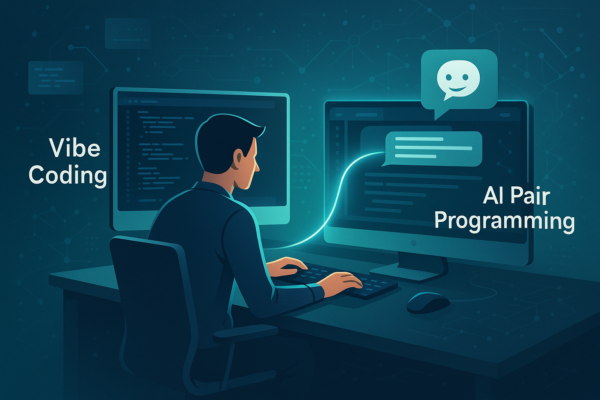
Vibe coding lets developers collaborate with AI tools like ChatGPT and GitHub Copilot to write, fix, and improve code faster. Here is everything you need to know.
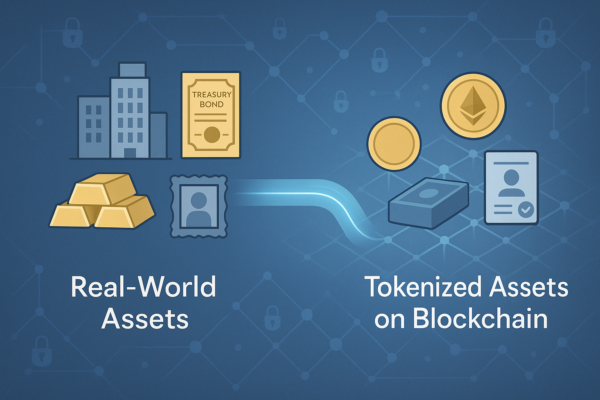
Real-world asset tokenization converts physical assets like property, gold, and bonds into blockchain-based digital tokens, making investing more accessible and transparent.

The metaverse is growing into a real digital economy powered by blockchain. Learn how NFTs, virtual land, and play-to-earn models are creating new opportunities for users worldwide.

Prompt engineering and AI system design are two key approaches to working with AI. Learn what sets them apart, why both matter, and which one you should learn first.