
Smartwatches and fitness trackers have come a long way from simply counting steps. Today, artificial intelligence is turning these wearable devices into intelligent health companions that monitor your body, predict your needs, and even help manage your emotions. Here is a closer look at how AI is reshaping the wearable technology space.
Personalized Health Insights Tailored to You
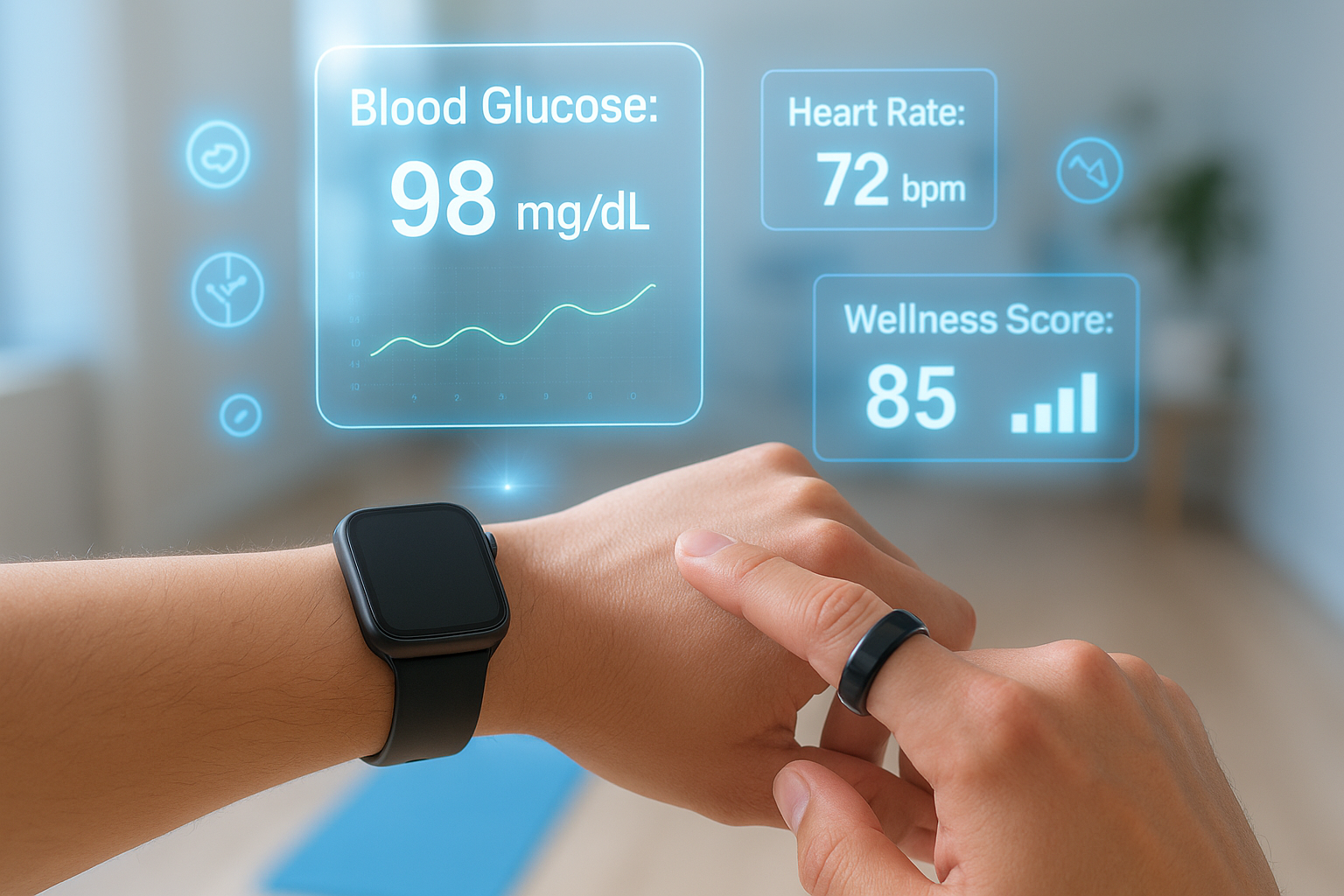
One of the biggest advantages of AI in wearables is the ability to deliver personalized health advice in real time. Instead of showing generic data, these devices analyze your activity levels, sleep patterns, and daily habits to offer custom recommendations.
- Suggest the most suitable workout routines based on your fitness level
- Guide your sleep schedule for better recovery
- Help manage stress through breathing exercises and mindfulness prompts
- Flag potential health risks before symptoms appear
This level of personalization makes health tracking genuinely useful rather than just a number on a screen.
Advanced Health Monitoring That Can Save Lives
Modern AI wearables go far beyond basic heart rate tracking. Several smartwatches now include medical-grade features that were once only available in clinical settings.
| Feature | What It Does |
|---|---|
| ECG Monitoring | Detects irregular heart rhythms and potential cardiac issues |
| Blood Oxygen Tracking | Monitors SpO2 levels to flag breathing or circulation concerns |
| Sleep Analysis | Tracks movement and heart rate to improve rest quality |
| Emotion Detection | Reads biometric signals to identify stress or anxiety |
These features can catch early warning signs of serious conditions, giving users a chance to seek medical attention before a problem becomes critical.
Predictive Assistance and Voice Control
AI-powered wearables learn from your daily routines and start anticipating what you need before you ask. Your smartwatch might remind you to hydrate during a workout, suggest a break when your schedule gets too packed, or alert you to stand up after long periods of sitting.
Voice assistants like Siri, Google Assistant, and Amazon Alexa are now built into many wearables, allowing hands-free control of tasks such as:
- Sending messages and making calls
- Setting reminders and alarms
- Controlling smart home devices
- Getting quick answers without pulling out your phone
This predictive and voice-driven experience reduces unnecessary interruptions and makes the device feel like a natural extension of your daily life.
Fitness Performance, Payments, and Data Security
For athletes and fitness enthusiasts, AI wearables track detailed performance stats, monitor heart rate zones, and offer coaching tips to help users train more effectively and reach their goals faster.
Beyond fitness, AI has also improved how wearables handle payments. Smartwatches now support secure contactless transactions, with some devices using biometric data such as heartbeat patterns or skin temperature to verify identity before completing a payment.
Data security is another area where AI plays a key role. Since wearables store sensitive personal and health information, AI-driven security systems monitor for unusual behavior and alert users to potential threats, helping protect private data from online risks.
Accessibility and the Road Ahead for Wearable Tech
AI is also making wearables more inclusive. Features like real-time language translation and voice recognition help people with disabilities or language barriers use these devices with ease. This push toward accessibility means smart wearable technology is becoming available to a much wider audience.
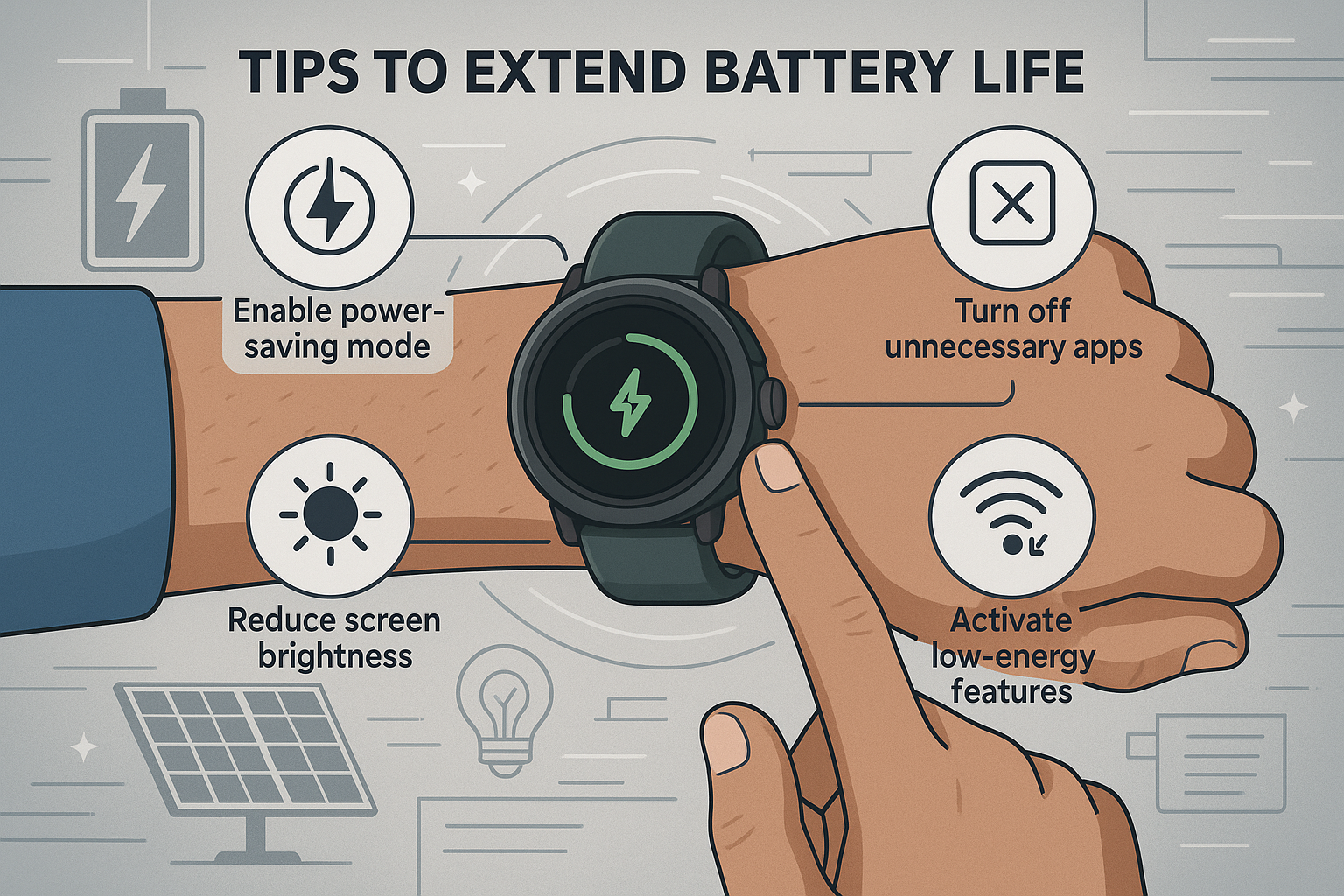
Looking ahead, wearable technology is expected to become even more sophisticated. Improvements in AI processing, battery life, and sensor accuracy will allow these devices to take on more complex health monitoring tasks, offer deeper behavioral insights, and integrate more tightly with healthcare systems.
In conclusion, AI has fundamentally changed what wearable devices can do. From detecting heart irregularities to managing stress and enabling contactless payments, these smart gadgets are becoming essential tools for a healthier and more connected lifestyle. Whether you are a fitness enthusiast, someone managing a health condition, or simply looking for a smarter daily companion, AI-powered wearables offer real and growing value.
Frequently Asked Questions
AI-powered wearables go beyond basic step counting. They analyze your personal health data in real time, offer customized advice, predict your needs based on daily habits, and can monitor serious health conditions like irregular heart rhythms or low blood oxygen levels.
Yes. Many modern AI smartwatches include features like ECG monitoring and blood oxygen tracking that can flag early warning signs of cardiac or respiratory issues. These alerts can prompt users to seek medical advice before a condition becomes serious.
Most AI wearables include built-in security features that monitor for unusual activity and protect sensitive data. However, users should always review the privacy settings of their device and keep software updated to reduce security risks.