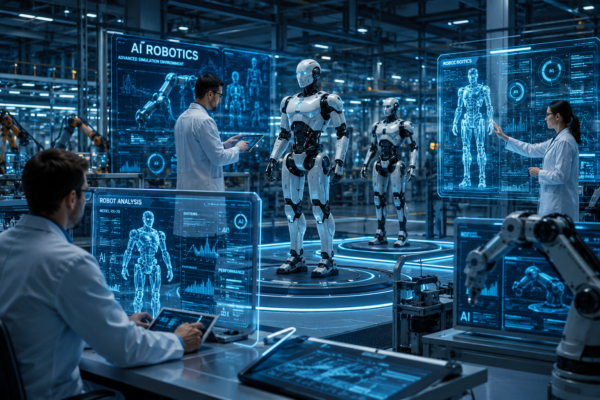
How Robot Simulation is Speeding Up Smarter Robot Development
Robot simulation is changing how engineers build smarter machines by enabling virtual testing before physical construction, saving time, cutting costs, and improving AI training.

Robot simulation is changing how engineers build smarter machines by enabling virtual testing before physical construction, saving time, cutting costs, and improving AI training.
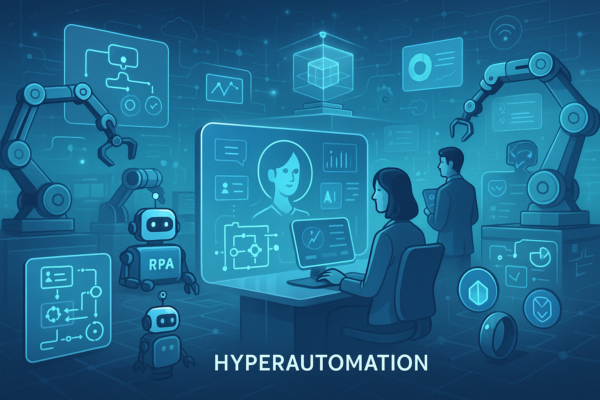
Hyperautomation combines AI, RPA, machine learning, and low-code tools to automate entire business workflows. Here is how it works and why companies are investing in it now.

From Apple Watch Series 9 to Meta Ray-Ban Smart Glasses, explore the best AI-powered wearables of 2024 and how they improve your daily life with voice assistants and health tracking.

Choosing between a DEX and a CEX for crypto trading? This guide compares centralized and decentralized exchanges on security, privacy, speed, and ease of use to help you decide.
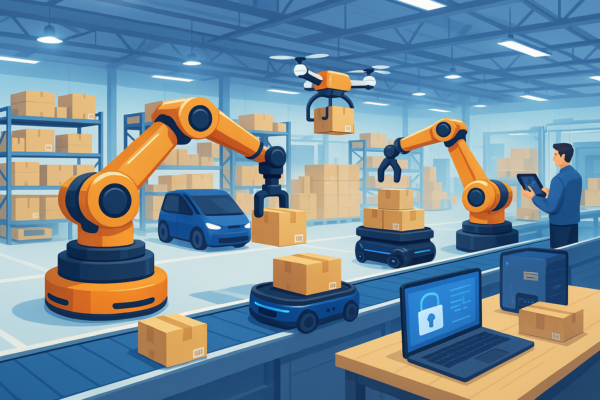
Warehouse robots are changing how companies handle orders. From AGVs to robotic arms, find out how automation is making warehouses faster, safer, and more cost-efficient.

Smart automation is reshaping industries through AI agents, physical AI, and advanced robotics. Discover the key trends businesses must understand to stay competitive in the future.

MWC 2026 showcased the future of consumer technology with foldable phones, AI-powered gadgets, smart wearables, advanced cameras, and hybrid tablets that redefine everyday use.

Machine learning and deep learning are both subsets of AI but work differently. This guide breaks down their key differences, use cases, and when to choose each for your project.

By 2026, AI agents are no longer just chatbots — they are autonomous digital workers capable of planning, reasoning, and executing complex business tasks with minimal human input.
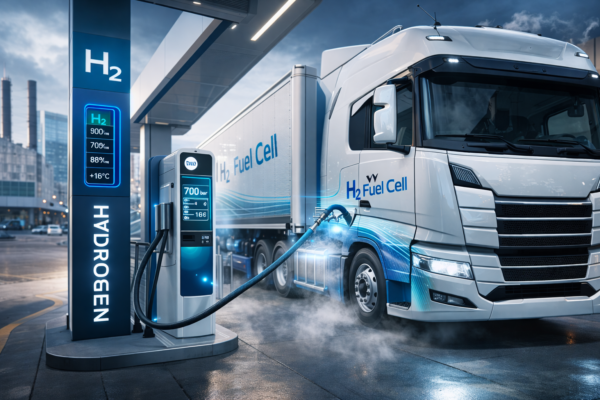
Hydrogen-powered infrastructure is reshaping how engineers design power grids, transport networks, and heavy industry as the world races toward net-zero emissions targets.