Digital payments have become part of everyday life for billions of people. But despite rapid growth, traditional payment systems still struggle with high fees, slow cross-border transfers, and limited access for people without bank accounts. Stablecoins are emerging as a practical solution to these long-standing problems, combining blockchain speed with the reliability of traditional currencies.
What Are Stablecoins and Why Do They Matter?
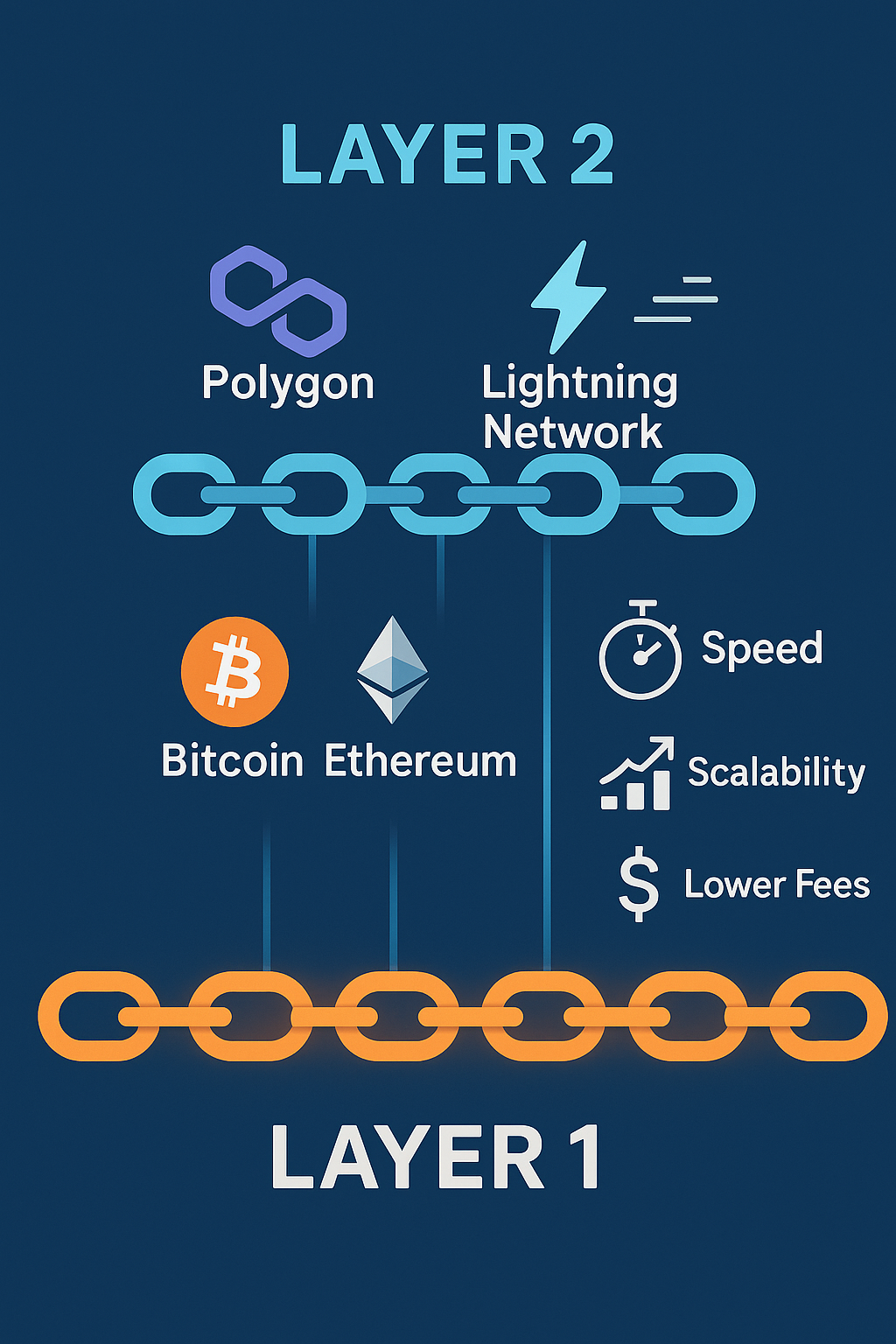
Stablecoins are digital currencies designed to hold a steady value. Unlike Bitcoin or Ethereum, which can swing wildly in price within hours, stablecoins are typically pegged to a traditional currency like the US Dollar or Euro. One stablecoin is usually equal to one US Dollar, making it predictable and practical for everyday use.
This price stability is what sets stablecoins apart from other cryptocurrencies. People can send, receive, and hold stablecoins without worrying about sudden value drops. For businesses and consumers alike, this makes stablecoins a far more reliable tool for real-world transactions.
The Real Problems With Traditional Payment Systems
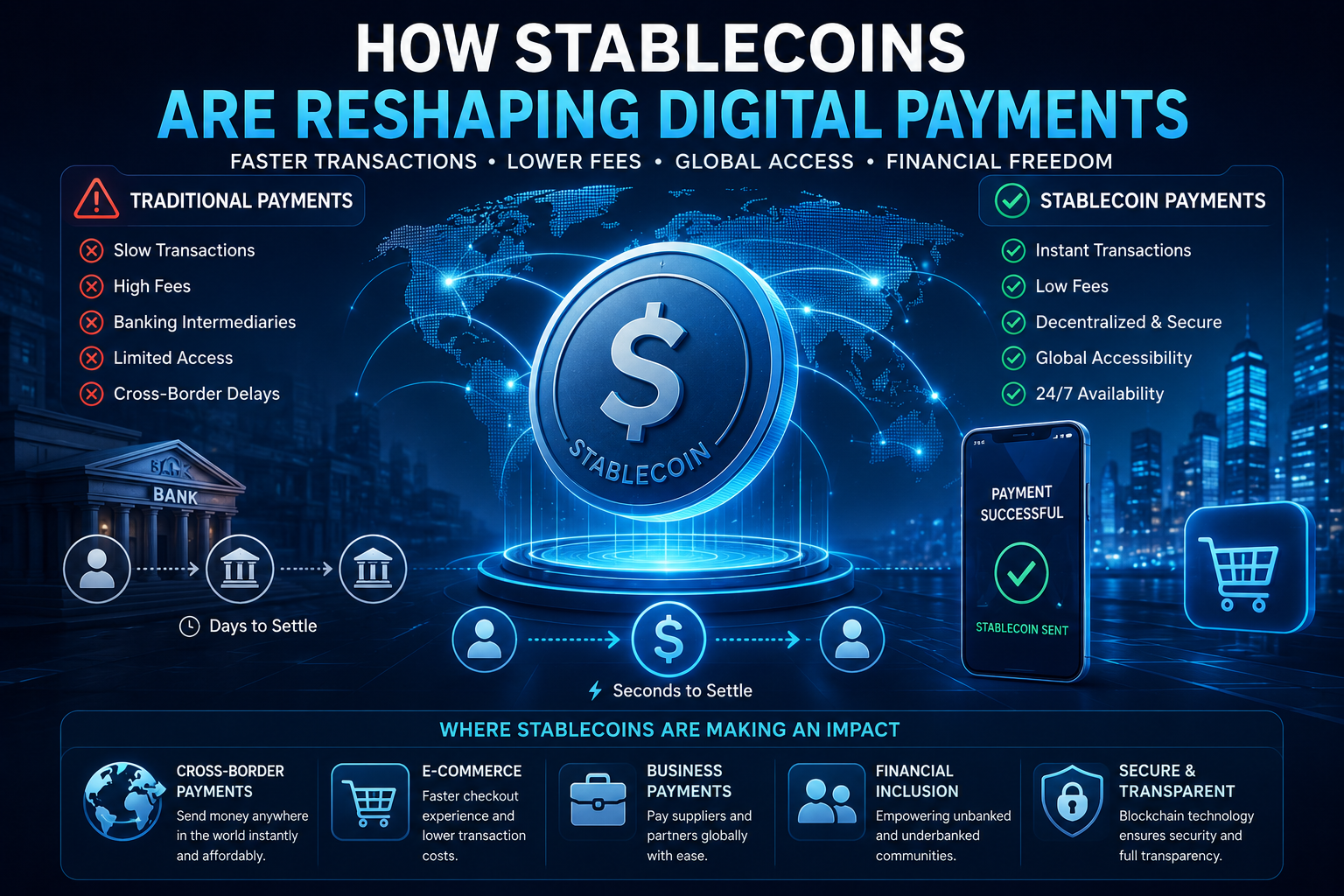
Traditional banking and payment infrastructure has improved over the decades, but several pain points remain:
- Slow international transfers: Cross-border payments through banks can take two to five business days to settle.
- High fees: Banks, payment processors, and currency conversion services each add their own charges, which can significantly reduce the amount received.
- Limited access: Millions of people in developing regions still lack access to basic banking services, cutting them off from the global digital economy.
- Multiple intermediaries: Each party involved in processing a payment adds time and cost to the transaction.
These challenges have pushed businesses and individuals to look for faster, cheaper, and more inclusive alternatives — and stablecoins are filling that gap.
Key Advantages Stablecoins Offer for Payments
Stablecoins bring several clear benefits to digital payments, whether for personal use or business operations.
| Feature | Traditional Payments | Stablecoin Payments |
|---|---|---|
| Transaction Speed | 2 to 5 business days (international) | Minutes |
| Transaction Fees | High (multiple intermediaries) | Low (fewer intermediaries) |
| Accessibility | Requires bank account | Requires smartphone and internet |
| Transparency | Limited visibility | Public blockchain ledger |
| Price Stability | Stable (fiat currency) | Stable (pegged to fiat) |
Stablecoins run on blockchain networks that allow direct peer-to-peer transfers. This removes the need for multiple banks or financial institutions to process a single payment, which directly reduces both time and cost.
How Businesses and E-Commerce Are Adopting Stablecoins
Companies across industries are already integrating stablecoins into their payment workflows. The use cases are growing steadily:
- Paying international suppliers without waiting days for bank transfers to clear.
- Receiving customer payments from different countries without currency conversion headaches.
- Managing digital assets more efficiently within corporate treasury operations.
- Reducing payment processing costs that eat into profit margins.
The e-commerce sector stands to benefit significantly. Online shoppers expect fast and smooth checkout experiences, while merchants want lower processing fees and quicker access to their funds. Stablecoins can address both needs at once. As global online shopping continues to grow, stablecoins are increasingly seen as a natural fit for cross-border e-commerce transactions.
Beyond large businesses, stablecoins also open doors for small businesses and freelancers in developing countries who previously had limited access to global payment networks. Anyone with a smartphone and an internet connection can now store and transfer value without needing a traditional bank account.
Challenges and the Road Ahead for Stablecoins
Despite their clear advantages, stablecoins still face real hurdles before they can become a mainstream payment method.
Regulatory uncertainty is one of the biggest concerns. Governments and financial regulators around the world are still working on frameworks to govern digital currencies. Businesses using stablecoins must stay updated on legal requirements in each market they operate in.
Public trust and awareness also need to grow. Many consumers are still unfamiliar with how stablecoins work, and building confidence in a relatively new technology takes time.
Security practices must remain strong. While blockchain technology offers robust protection, users and businesses still need to follow best practices to avoid risks like phishing attacks or mismanaged digital wallets.
As regulations become clearer and adoption increases, these challenges are expected to become more manageable. Industry experts widely believe that stablecoins will become a standard part of the global payments landscape within the next few years.
In conclusion, stablecoins represent a meaningful shift in how money moves around the world. They offer faster transactions, lower costs, greater financial inclusion, and improved transparency compared to traditional payment systems. While challenges remain, the momentum behind stablecoin adoption is strong. As digital finance continues to mature, stablecoins are well-positioned to become a core part of how individuals and businesses transact globally.
Frequently Asked Questions
A stablecoin is a digital currency pegged to a stable asset like the US Dollar, keeping its value steady. Bitcoin, on the other hand, can experience large price swings. This makes stablecoins more suitable for everyday payments and transactions.
Stablecoins operate on blockchain networks that offer strong security and transaction transparency. However, businesses should follow proper security practices, use reputable platforms, and stay updated on local regulations to ensure safe usage.
Yes. One of the key advantages of stablecoins is that they only require a smartphone and internet connection. This makes them accessible to people in regions where traditional banking services are limited or unavailable.