Cyber threats are growing more complex every year, and traditional security systems are struggling to keep up. Blockchain technology is gaining serious attention as a reliable way to protect sensitive data, secure transactions, and prevent unauthorized access. Here is a clear look at how blockchain works and why it matters for cybersecurity today.
What Is Blockchain and Why Does It Matter for Security?
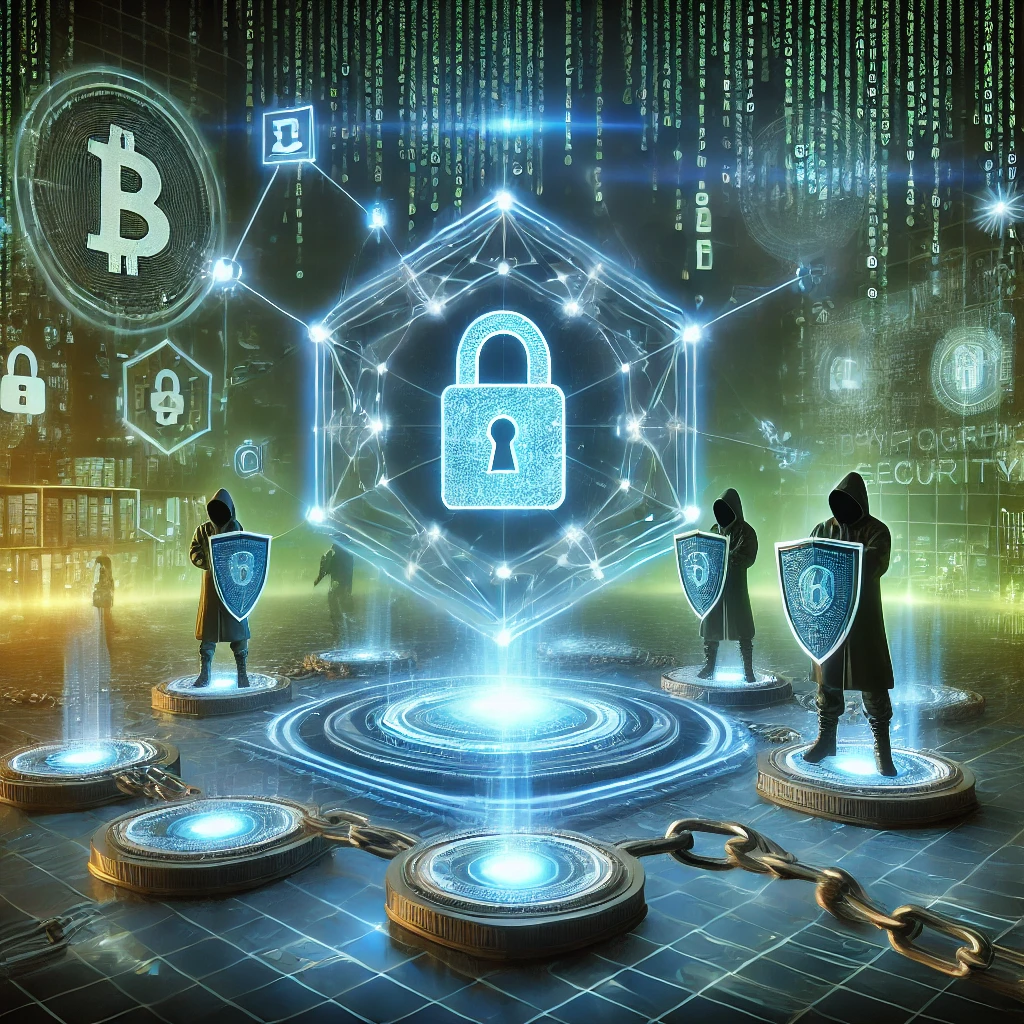
Blockchain is a decentralized digital ledger that records data across multiple computers rather than storing everything in one central location. Each piece of data is stored in a block, and every block is linked to the one before it, forming a chain that is extremely difficult to alter.
Three core properties make blockchain stand out from traditional data storage systems:
- Tamper-Resistant: Once a block is added to the chain, changing it would require altering every block that follows — a near-impossible task.
- Transparent: All transactions are recorded and visible to authorized participants, making secret modifications impossible.
- Cryptographically Secure: Advanced encryption protects data from unauthorized access at every level.
These properties make blockchain a strong foundation for cybersecurity applications across industries.
Decentralization Removes the Single Point of Failure
Traditional databases store data in one central location. If a hacker breaks into that central server, the entire system can be compromised. This is known as a single point of failure, and it is one of the biggest vulnerabilities in conventional cybersecurity setups.
Blockchain eliminates this risk entirely. Data is distributed across a large network of computers called nodes. Even if one node is attacked, the rest of the network continues to function normally. The attacker gains nothing useful because no single node holds the complete picture.
This makes blockchain particularly valuable for protecting financial records, healthcare data, and confidential business information where a breach could have serious consequences.
Data Integrity, Authentication, and Access Control
Two of the most common ways cybercriminals cause damage are by altering stored data and stealing login credentials. Blockchain addresses both problems directly.
On the data integrity side, blockchain’s immutability ensures that once information is recorded, it cannot be changed without the agreement of all participants in the network. This makes it ideal for industries like banking, healthcare, and supply chain management, where accurate records are critical.
On the authentication side, blockchain uses a system of public and private key encryption:
- Public Key: Used for identification and communication between parties.
- Private Key: Used for secure authentication and completing transactions.
Unlike traditional passwords, which can be guessed or stolen through phishing attacks, blockchain-based authentication is far more resistant to hacking. This significantly reduces the risk of identity theft and unauthorized system access.
Secure Transactions and Smart Contracts
Financial transactions are a major target for cybercriminals. Blockchain offers a safer path by removing the need for intermediaries like banks or payment processors.
Smart contracts are self-executing programs built on blockchain that automatically complete a transaction when pre-defined conditions are met. They bring three important security benefits:
- Security: Once a transaction is completed, it cannot be reversed or altered.
- Efficiency: No delays caused by third-party verification processes.
- Transparency: All parties involved can independently verify the transaction.
Industries including finance, e-commerce, and supply chain management are already using smart contracts to reduce fraud and improve transaction security.
Blockchain as a Defense Against Common Cyber Threats
Blockchain provides meaningful protection against several types of cyberattacks that organizations face regularly:
| Cyber Threat | How Blockchain Helps |
|---|---|
| Data Breaches | Decentralization means there is no single target for attackers to exploit. |
| Hacking Attempts | Cryptographic encryption makes unauthorized access extremely difficult. |
| Ransomware Attacks | Immutable records prevent hackers from modifying or deleting stored data. |
| Identity Theft | Public-private key authentication replaces weak password-based systems. |
Beyond prevention, blockchain also supports real-time tracking of data changes, allowing organizations to detect and respond to suspicious activity much faster than with traditional systems.
Where Blockchain Cybersecurity Is Headed
Adoption of blockchain for security purposes is accelerating. Sectors including banking, healthcare, government systems, and global supply chains are actively integrating blockchain to strengthen their data protection frameworks.
As more organizations recognize the limitations of centralized security models, blockchain offers a credible and proven alternative. Its combination of decentralization, encryption, and immutability addresses the core weaknesses that cybercriminals routinely exploit.
The technology is not a complete replacement for all existing security tools, but it adds a powerful layer of protection that is difficult to bypass. For businesses handling sensitive data or high-value transactions, exploring blockchain-based security solutions is becoming less of an option and more of a necessity.
In a world where data is one of the most valuable assets, blockchain provides a way to protect it that is both technically sound and practically scalable.
Frequently Asked Questions
Blockchain improves cybersecurity by distributing data across multiple nodes instead of storing it in one central location. This removes the single point of failure that hackers typically target. Combined with cryptographic encryption and immutable records, blockchain makes unauthorized access and data tampering significantly harder.
Smart contracts are self-executing programs stored on a blockchain that automatically complete a transaction when specific conditions are met. They remove the need for intermediaries, reduce the risk of fraud, and ensure that completed transactions cannot be altered or reversed.
Industries that handle large volumes of sensitive data benefit the most. These include banking and finance, healthcare, supply chain management, and government systems. Blockchain helps these sectors maintain data integrity, secure transactions, and protect against identity theft and data breaches.