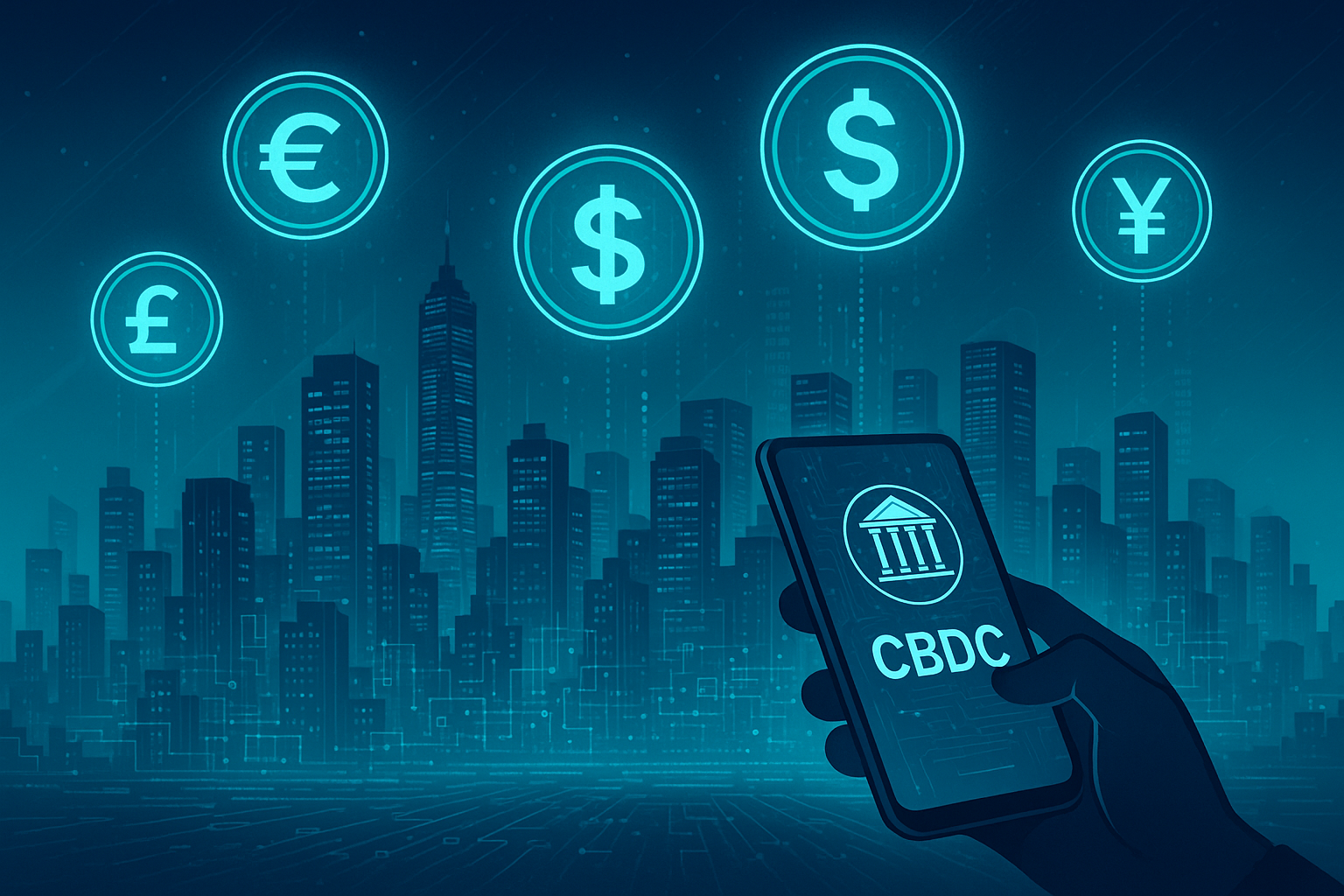
Money is going digital — and this time, it is governments leading the charge. Central Bank Digital Currencies, commonly known as CBDCs, are official digital versions of a country’s currency, issued and managed by the central bank. Unlike physical cash, CBDCs exist entirely in digital form and can be used for everyday transactions through smartphones and digital wallets. As more nations explore or launch their own CBDCs, understanding what they are, how they work, and what they mean for ordinary people has never been more important.
What Are CBDCs and How Do They Work?
A CBDC is essentially digital cash backed by a government. It carries the same value as the physical currency of that country — one digital rupee equals one paper rupee, for example. The central bank issues and regulates it, which makes it fundamentally different from private payment apps or cryptocurrencies.
CBDCs live in digital wallets, similar to the apps people already use to pay bills or shop online. Every time a transaction happens, the central bank maintains a secure record of it. This gives the system both transparency and accountability, while keeping the currency stable and trustworthy.
There are two main types of CBDCs:
- Retail CBDCs: Designed for everyday use by the general public — buying groceries, paying rent, or transferring money to family.
- Wholesale CBDCs: Used between financial institutions for large-scale settlements and interbank transactions.
Why Governments Around the World Are Interested in CBDCs
The push toward CBDCs is driven by several practical goals that governments and central banks want to achieve:
- Faster Payments: Digital currency allows money to move almost instantly, removing delays common in traditional banking systems.
- Financial Inclusion: People without bank accounts can access CBDCs using just a smartphone, bringing millions of unbanked individuals into the formal economy.
- Lower Operational Costs: Printing and distributing physical cash is expensive. Digital currency significantly reduces these costs.
- Stronger Security: CBDCs help authorities detect illegal transactions, reduce fraud, and monitor money laundering more effectively.
- Better Economic Control: Central banks gain more precise tools to implement monetary policy and respond to economic changes quickly.
CBDCs vs. Cryptocurrencies: Key Differences Explained
Both CBDCs and cryptocurrencies are digital, but they are built on very different principles. Here is a clear comparison:
| Feature | CBDCs | Cryptocurrencies |
|---|---|---|
| Issued By | Central Bank / Government | Decentralized networks |
| Legal Status | Official legal tender | Not legal tender in most countries |
| Value Stability | Stable, pegged to national currency | Highly volatile |
| Primary Use | Everyday transactions | Investment, speculation, trading |
| Control | Centralized | Decentralized |
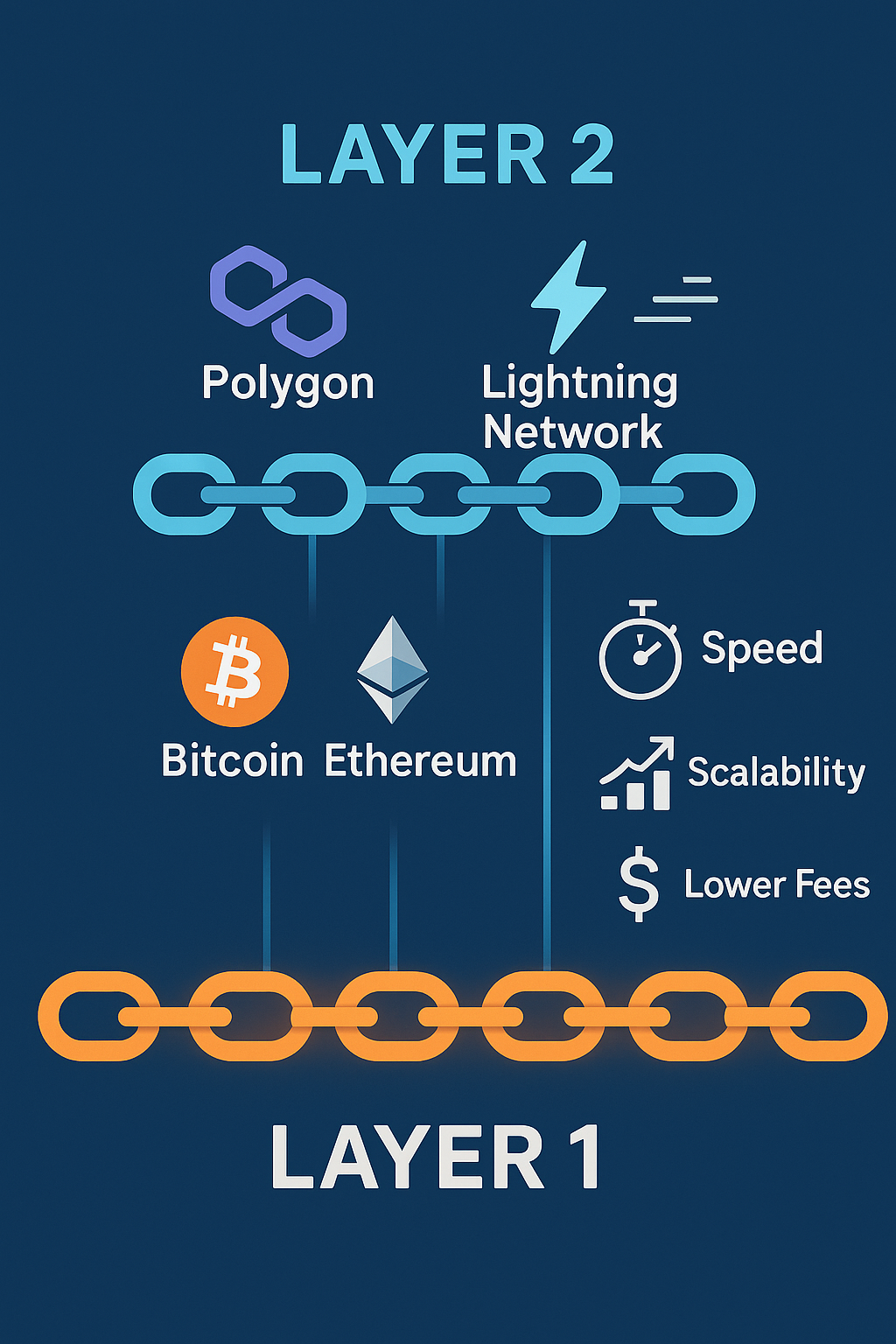
In short, CBDCs are designed to replace or complement physical cash, while cryptocurrencies like Bitcoin or Ethereum serve a different purpose altogether.
Which Countries Are Leading the CBDC Race?
Several nations are already ahead in developing and testing their own CBDCs:
- China: The digital yuan, known as e-CNY, is being tested across multiple major cities and is one of the most advanced CBDC projects in the world.
- Bahamas: The Sand Dollar, launched by the Central Bank of the Bahamas, holds the distinction of being the world’s first officially launched CBDC.
- European Union: The European Central Bank is actively exploring a digital euro to complement existing cash and payment systems.
- India: The Reserve Bank of India has launched a pilot for the Digital Rupee, testing both retail and wholesale versions.
- Nigeria: The Central Bank of Nigeria introduced the eNaira, making Nigeria one of the first African nations to launch a CBDC.
Benefits and Concerns: A Balanced View
Like any major financial shift, CBDCs come with both advantages and genuine concerns that need to be addressed.
Key Benefits:
- Round-the-clock payments without bank holidays or processing delays
- Greater financial access for rural, remote, and underserved communities
- Reduced risk of counterfeit currency and financial fraud
- Improved government tools for economic management and crisis response
Valid Concerns:
- Privacy: Since every transaction is recorded by the central bank, there are legitimate worries about government surveillance of personal spending habits.
- Cybersecurity: A fully digital currency system becomes a high-value target for hackers and cybercriminals.
- Impact on Traditional Banks: If people hold money directly with the central bank through CBDCs, commercial banks may see reduced deposits, affecting their ability to lend.
These concerns do not make CBDCs unworkable, but they do highlight the need for strong privacy protections, robust cybersecurity infrastructure, and thoughtful regulation before widespread adoption.
The road ahead for CBDCs depends on how well governments can balance innovation with individual rights. For CBDCs to succeed on a large scale, they must be easy to use for people of all ages and technical abilities, secure against digital threats, and designed with clear privacy safeguards. If these challenges are met, CBDCs could become a standard part of daily financial life — making money faster, more accessible, and more efficient for billions of people worldwide.
Frequently Asked Questions
A CBDC, or Central Bank Digital Currency, is an official digital version of a country's currency issued by its central bank. It holds the same value as physical cash but exists entirely in digital form, usable through smartphones and digital wallets.
No. CBDCs are issued and controlled by governments, making them legal tender with stable value. Cryptocurrencies like Bitcoin are decentralized, not backed by any government, and are known for high price volatility.
The Bahamas launched the Sand Dollar, which is recognized as the world's first officially launched Central Bank Digital Currency, introduced by the Central Bank of the Bahamas.