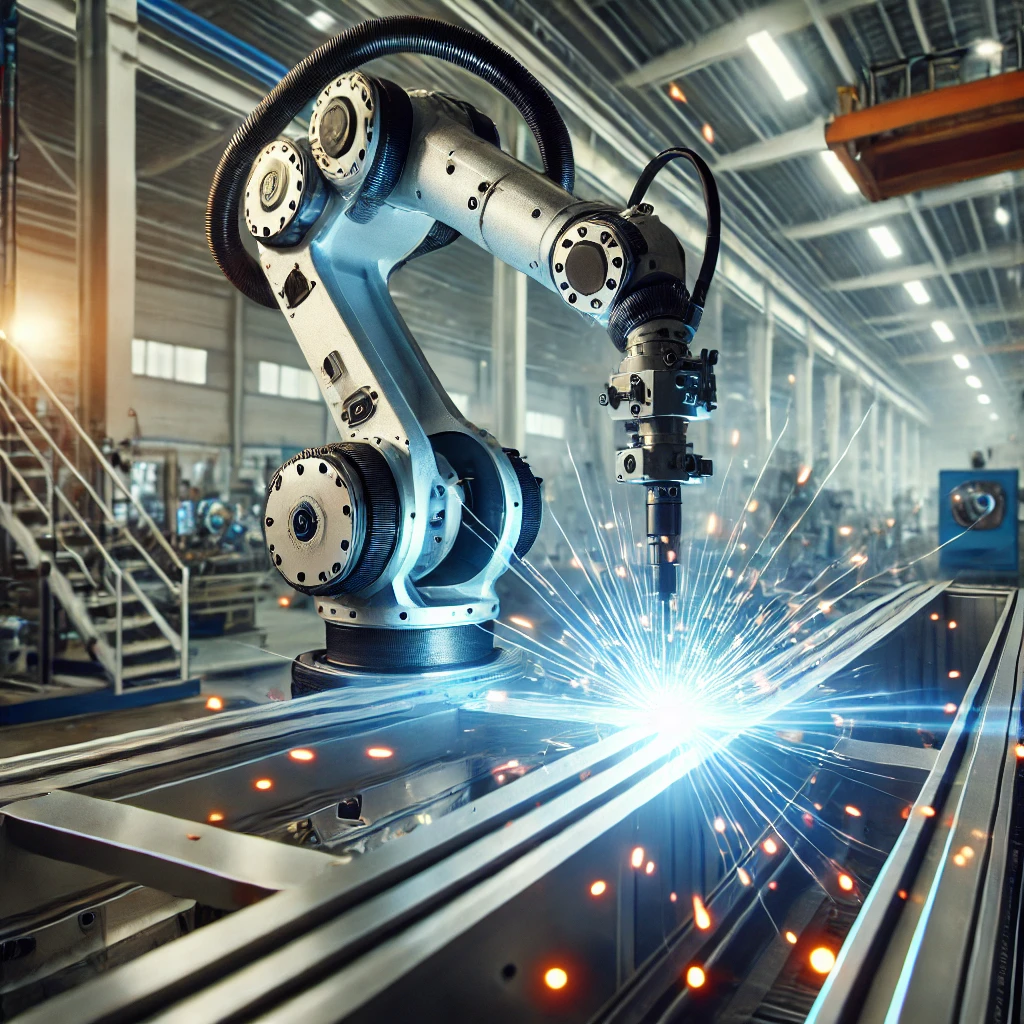
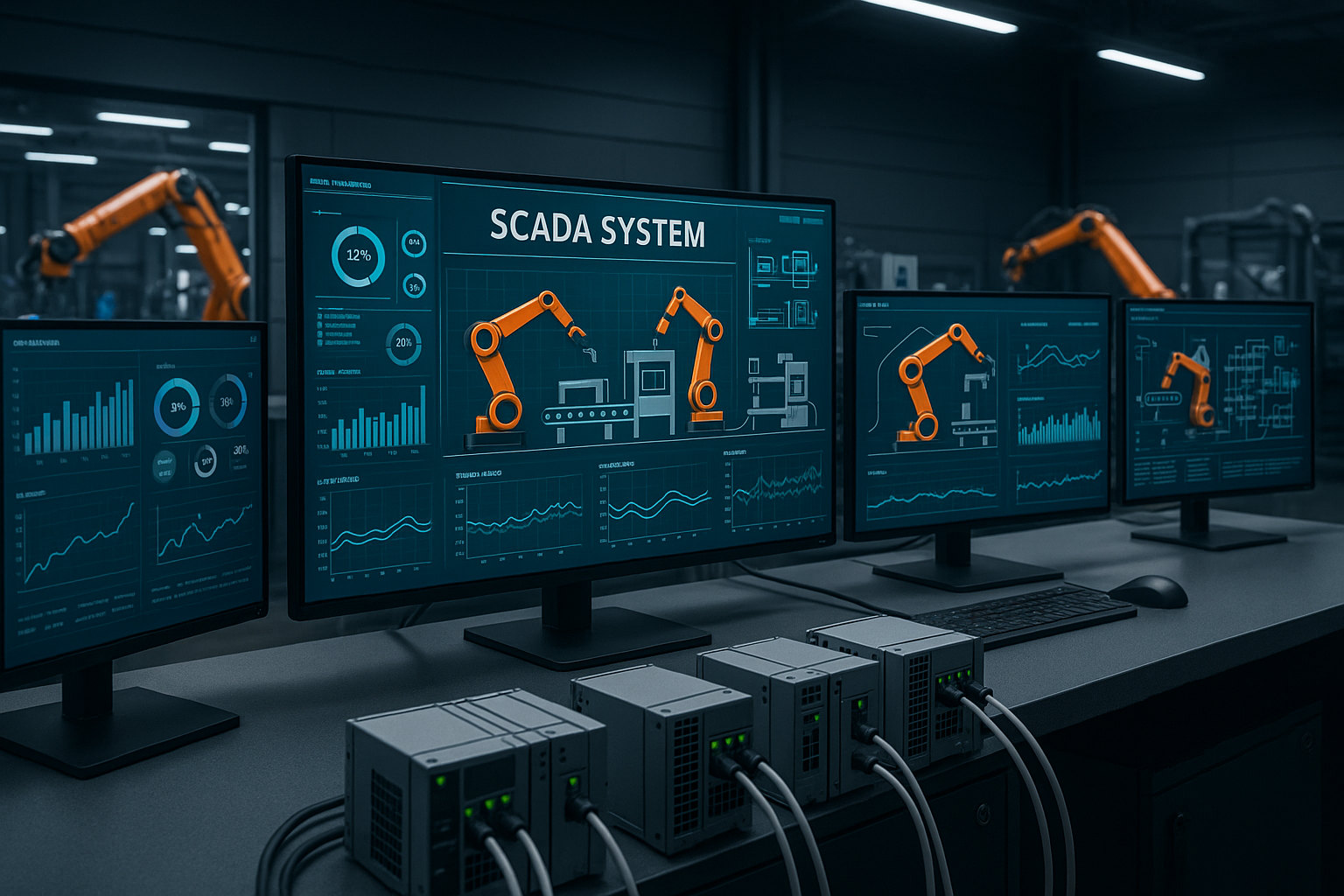
Modern industries like manufacturing, energy production, and water treatment rely on a powerful combination of technologies to keep operations running smoothly. At the heart of this industrial control ecosystem are two key technologies: SCADA systems and PLCs. Together, they form the backbone of industrial automation, enabling real-time monitoring, rapid response, and smarter decision-making across complex facilities.
What Is a PLC and Why Is It Important?
A Programmable Logic Controller (PLC) is essentially the brain of a specific machine or process within an industrial setup. Built to withstand harsh environments — extreme heat, dust, vibrations — PLCs are rugged computers designed for reliability in the field.
PLCs collect data from sensors attached to machines. These sensors measure things like temperature, pressure, flow rate, or position. Based on this data and a pre-written program, the PLC makes instant decisions — starting a motor, opening a valve, or stopping a conveyor belt.
Key characteristics of a PLC include:
- Real-time response: PLCs react to changes in milliseconds, making them ideal for time-sensitive operations.
- Durability: Designed to function reliably in industrial environments where standard computers would fail.
- Programmability: Engineers can update the logic to adapt to new processes or requirements.
- Precision control: They execute repetitive tasks with consistent accuracy, reducing human error.
What Is a SCADA System and What Does It Do?
SCADA stands for Supervisory Control and Data Acquisition. While the name sounds technical, the concept is straightforward. SCADA is a software-based system that allows operators to monitor and manage entire industrial operations from a central location — typically through a computer screen or control panel.
Think of SCADA as the intelligent supervisor overseeing everything happening across a plant or facility. Here is what a SCADA system can do:
- Monitor in real time: It displays live data such as machine speeds, tank levels, temperatures, and equipment status.
- Control equipment remotely: Operators can switch devices on or off, or adjust settings without being physically present at the machine.
- Store and analyse data: SCADA keeps historical records of operations, which helps with troubleshooting, performance reviews, and predictive maintenance.
- Send alerts: When something goes wrong, the system notifies operators immediately so they can take corrective action.
How SCADA and PLCs Work Together
The real strength of industrial automation comes from how SCADA and PLCs complement each other. PLCs operate at the ground level — each one managing a specific machine or section of a facility. SCADA sits above them, collecting data from all the PLCs and presenting it in a unified, easy-to-read dashboard.
Here is a simple breakdown of how the two interact:
| Feature | PLC | SCADA |
|---|---|---|
| Primary Role | Controls individual machines | Monitors and manages entire systems |
| Data Handling | Collects sensor data locally | Aggregates data from multiple PLCs |
| User Interface | No visual interface for operators | Provides visual dashboards and alerts |
| Response Speed | Millisecond-level reactions | Near real-time supervisory control |
| Location | On the factory floor | Central control room or remote access |
When a sensor detects an abnormal reading, the PLC responds instantly. At the same time, the SCADA system logs the event, alerts the operator, and allows them to send further instructions back to the PLC if needed. This two-way communication keeps operations safe and efficient.
Key Benefits of Using SCADA and PLCs Together
Industries across the world adopt this combination because of the clear advantages it delivers:
- Speed and accuracy: PLCs respond to changes almost instantly, reducing the risk of equipment damage or process failure.
- Complete system visibility: SCADA gives operators a bird’s-eye view of everything happening across the facility.
- Improved safety: Issues are detected and addressed quickly, before they escalate into serious problems.
- Remote operation: Operators can monitor and control systems from a distance, reducing the need for constant on-site presence.
- Data-driven maintenance: Historical data stored by SCADA helps teams plan maintenance schedules and avoid unexpected breakdowns.
Real-World Applications Across Industries
SCADA systems and PLCs are used across a wide range of sectors in India and globally. Some common examples include:
- Manufacturing plants: Controlling assembly lines, robotic arms, and quality control processes.
- Power and energy facilities: Monitoring electricity generation, managing grid loads, and adjusting equipment output.
- Water treatment plants: Tracking water levels, chemical dosing, and filtration processes to ensure safe supply.
- Oil and gas pipelines: Detecting leaks, managing pressure, and controlling flow across long distances.
- Food and beverage production: Maintaining precise temperature and hygiene conditions throughout production.
As India pushes forward with its manufacturing and infrastructure goals, the adoption of SCADA and PLC technologies is growing rapidly across both public utilities and private industries.
In conclusion, SCADA systems and PLCs are not just technical tools — they are the foundation of safe, efficient, and modern industrial operations. PLCs handle the fast, precise control of individual machines, while SCADA provides the big picture view and data intelligence that operators need. Together, they make industrial automation reliable, scalable, and ready for the demands of the future.
Frequently Asked Questions
A PLC (Programmable Logic Controller) controls individual machines or processes at the ground level by reading sensor data and executing commands in real time. A SCADA system operates at a higher level, collecting data from multiple PLCs and presenting it on a central dashboard for operators to monitor and manage the entire facility.
SCADA systems and PLCs are widely used in manufacturing plants, power generation facilities, water treatment plants, oil and gas pipelines, and food and beverage production units. They are essential wherever automated control and real-time monitoring of industrial processes are required.
PLCs respond to abnormal conditions almost instantly, preventing equipment damage or process failures. SCADA systems simultaneously log the event and alert operators, allowing them to take further action remotely. This two-layer approach significantly improves safety and reduces the risk of serious industrial incidents.