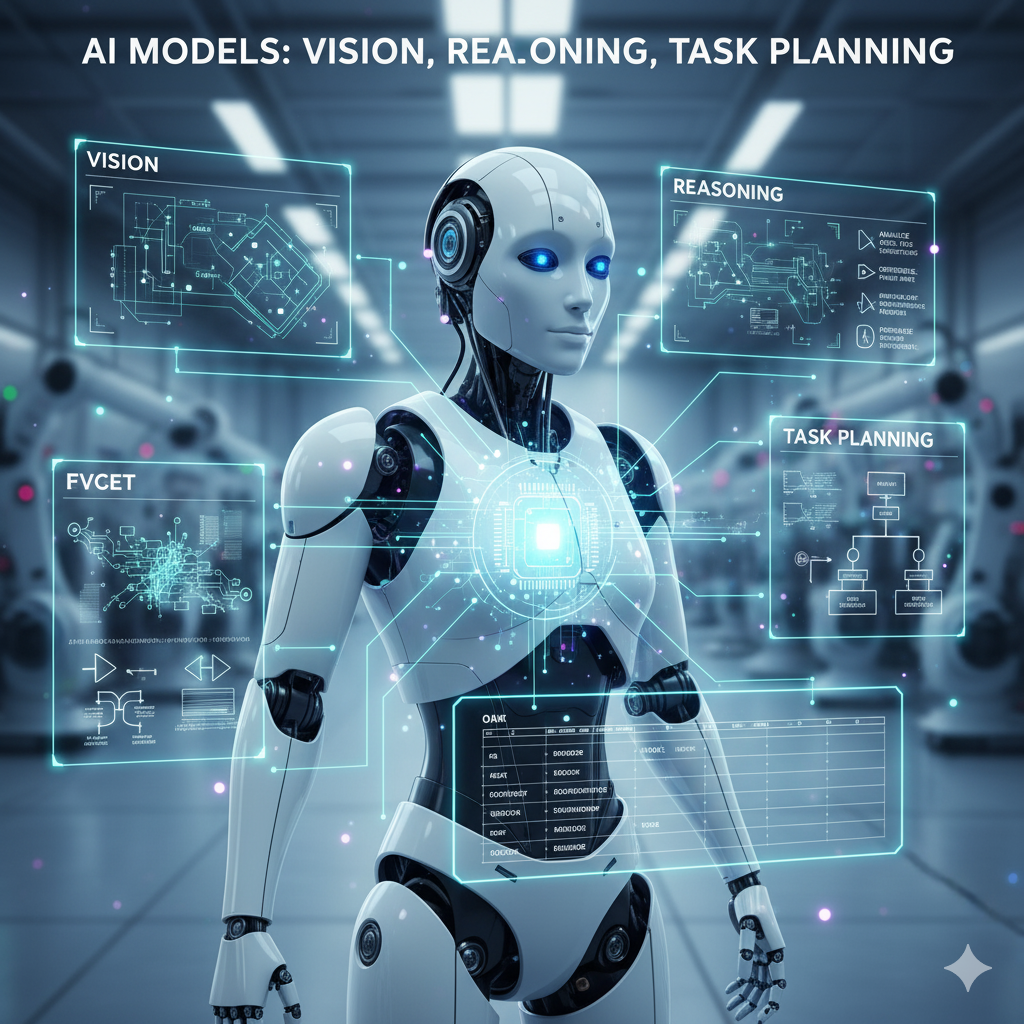
Robots have come a long way from simply following pre-programmed instructions. Thanks to rapid advances in artificial intelligence, modern robots can now see their surroundings, reason through complex situations, and plan tasks step by step — capabilities that were once considered purely human. This shift is opening up new possibilities across homes, hospitals, farms, and factories.
How AI Is Giving Robots the Ability to See
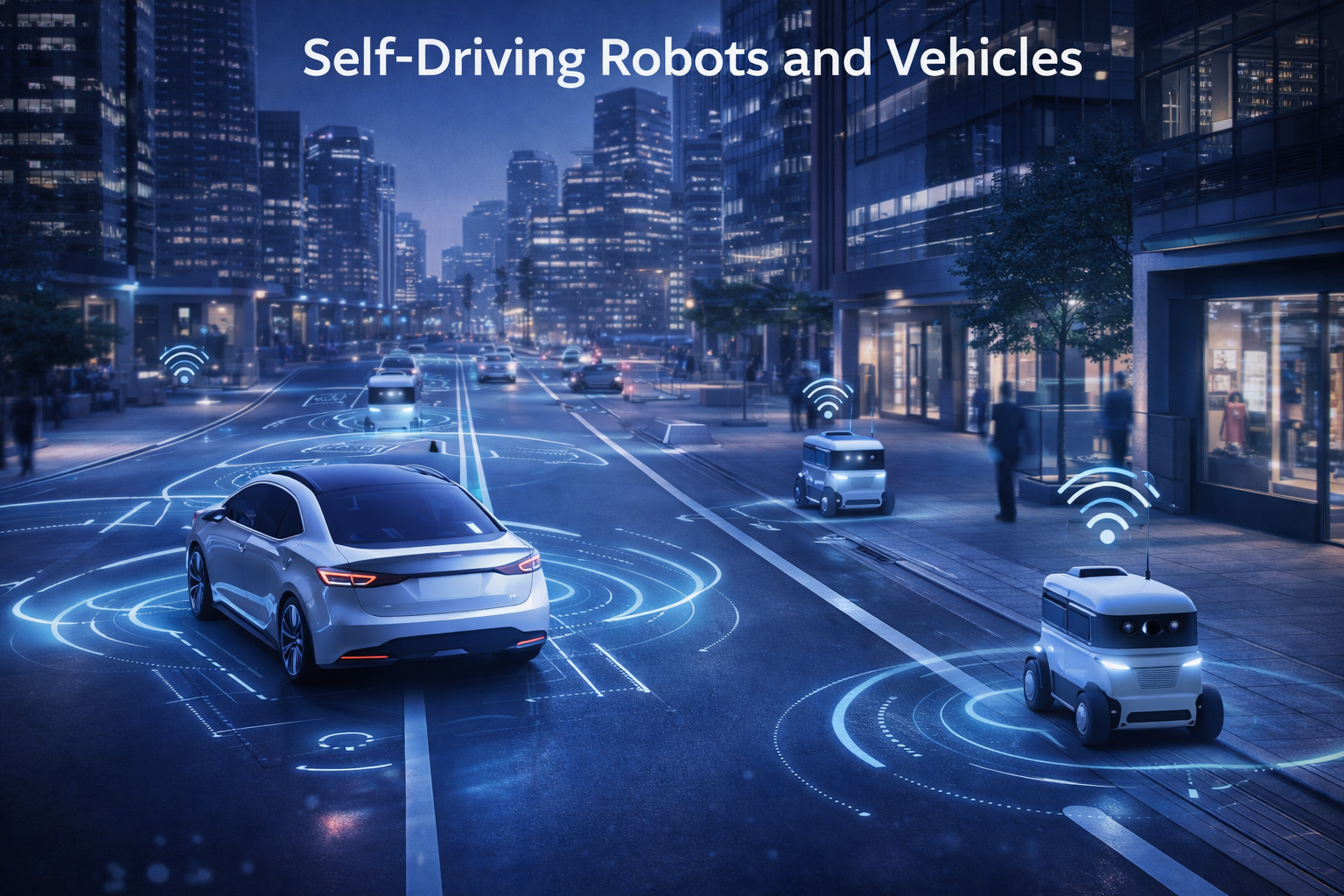
One of the biggest breakthroughs in robotics is improved machine vision. For years, robots struggled to identify objects or navigate cluttered environments. Today, AI-powered vision systems have changed that completely.
- Robots can now identify and locate objects in messy or unpredictable spaces, such as warehouse shelves or laundry baskets.
- They can accurately assess shapes, colors, sizes, and distances in real time.
- Modern robots can track and respond to moving objects without human input.
These improvements make robots far more capable of handling real-world jobs. From sorting recyclable waste and packing products in logistics centers to assisting surgeons in operating rooms, AI vision is expanding what robots can do and where they can work.
Teaching Robots to Think and Reason
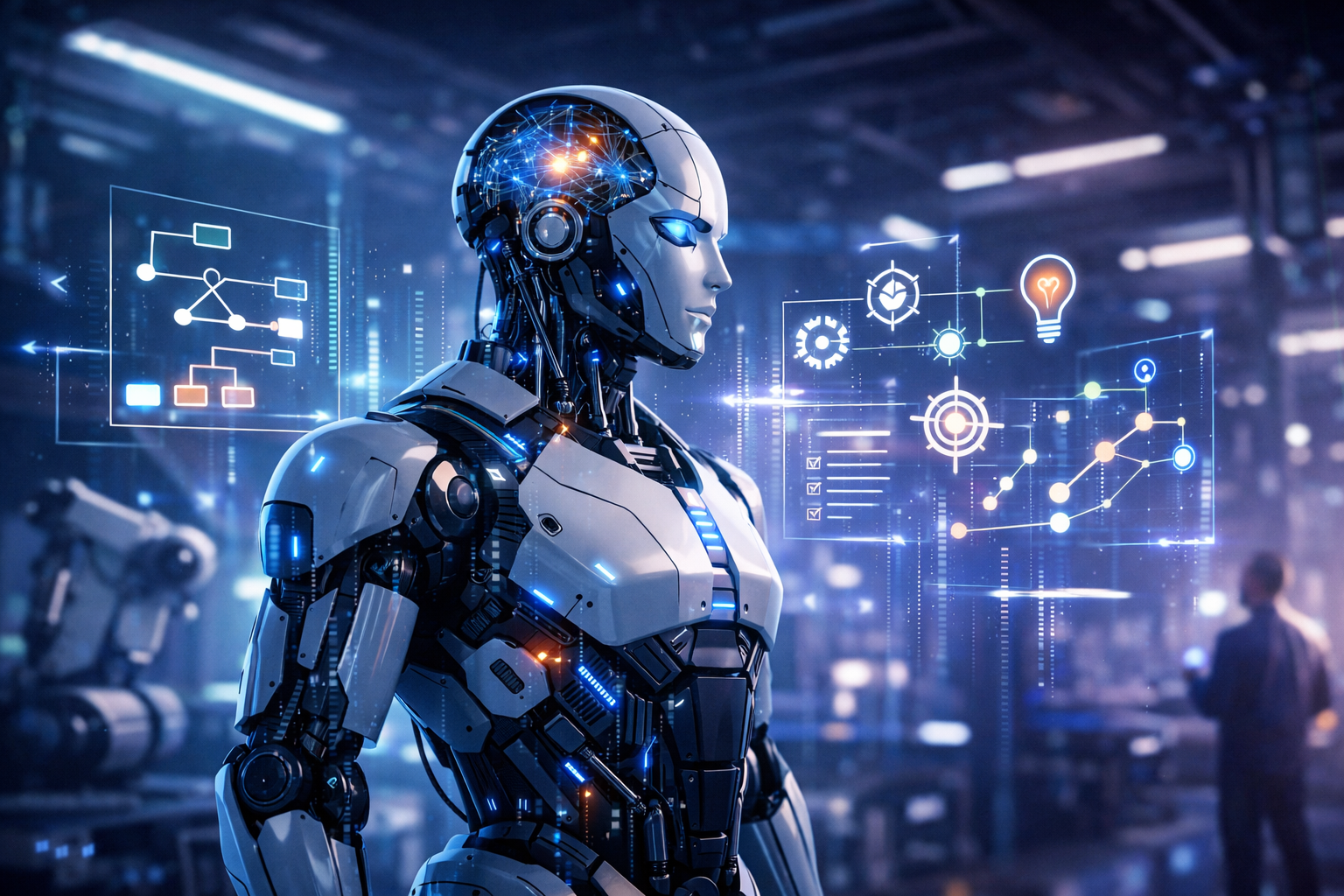
Earlier generations of robots could only perform tasks they were explicitly programmed to do. Today’s AI gives robots a genuine reasoning ability that allows them to handle unexpected situations.
- Robots can now understand the context of a task — for example, cleaning a table without knocking over objects placed on it.
- They can make smart decisions when something unexpected happens during a task.
- They can combine information from multiple sources to learn and adapt to new tasks more quickly.
This reasoning capability makes robots far more adaptable in environments that are not perfectly controlled, such as homes, agricultural fields, or emergency response situations. Instead of breaking down when something goes wrong, a reasoning robot can adjust and continue.
Step-by-Step Task Planning in Modern Robots
Beyond seeing and thinking, AI also helps robots plan their actions in a structured, logical way — much like a human would approach a complex job.
- Breaking down large tasks into smaller, manageable steps — for instance, assembling furniture piece by piece.
- Determining the best sequence to complete those steps efficiently.
- Adjusting the plan in real time if conditions change or something unexpected occurs.
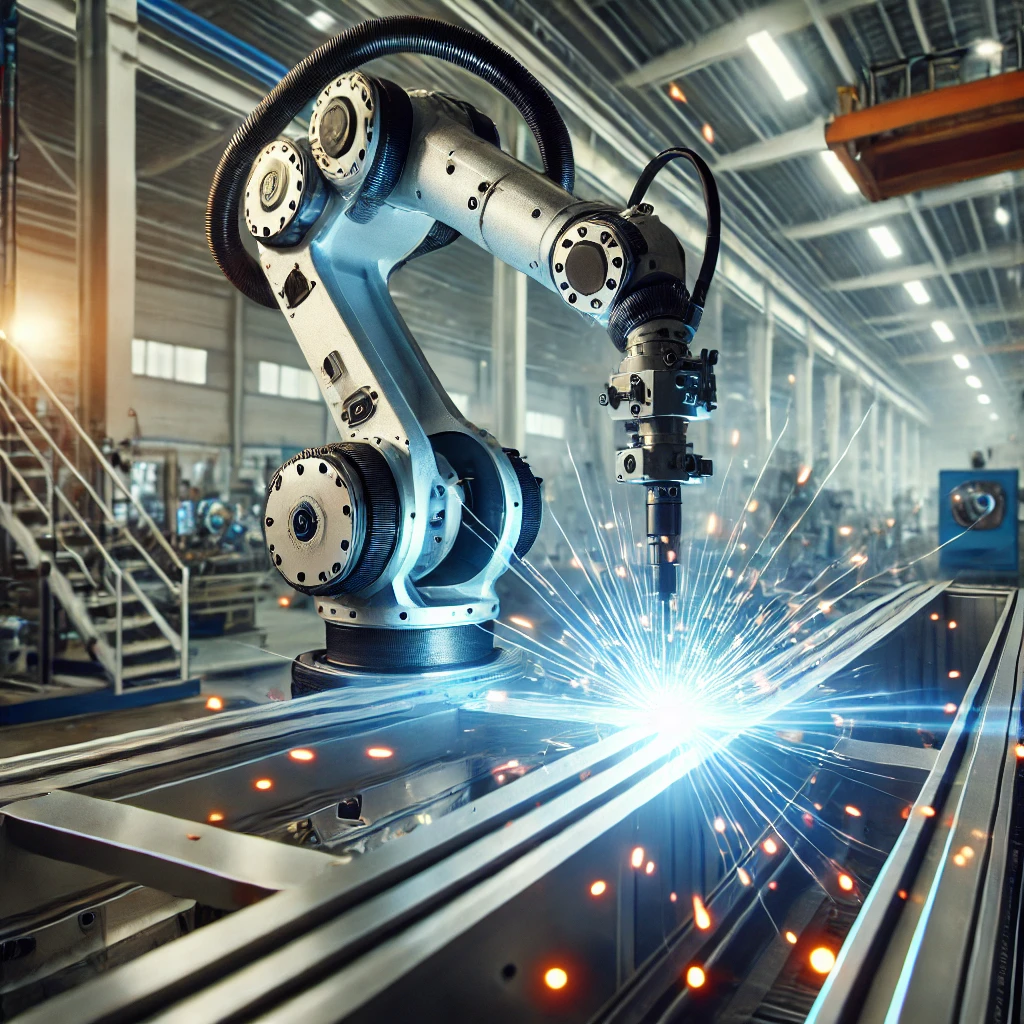
This kind of task planning reduces the need for constant human supervision. Robots become more reliable and independent, which is especially valuable in high-demand settings like manufacturing plants, delivery warehouses, and healthcare facilities.
Where AI-Powered Robots Are Being Used Today
Robots with AI vision, reasoning, and planning are no longer limited to factory floors. They are increasingly being deployed across a wide range of industries and everyday settings.
| Sector | How AI Robots Are Helping |
|---|---|
| Healthcare | Assisting doctors and nurses, handling surgical tools, and managing hospital logistics |
| Agriculture | Monitoring crops, picking fruits, and managing irrigation systems |
| Logistics and Warehousing | Sorting packages, managing inventory, and packing orders |
| Home Assistance | Helping with household chores and supporting elderly or disabled individuals |
| Emergency and Rescue | Navigating disaster zones and locating survivors in dangerous conditions |
This broad adoption shows that AI-powered robots are becoming practical, everyday tools rather than experimental technology reserved for research labs.
What This Means for the Future of Robotics
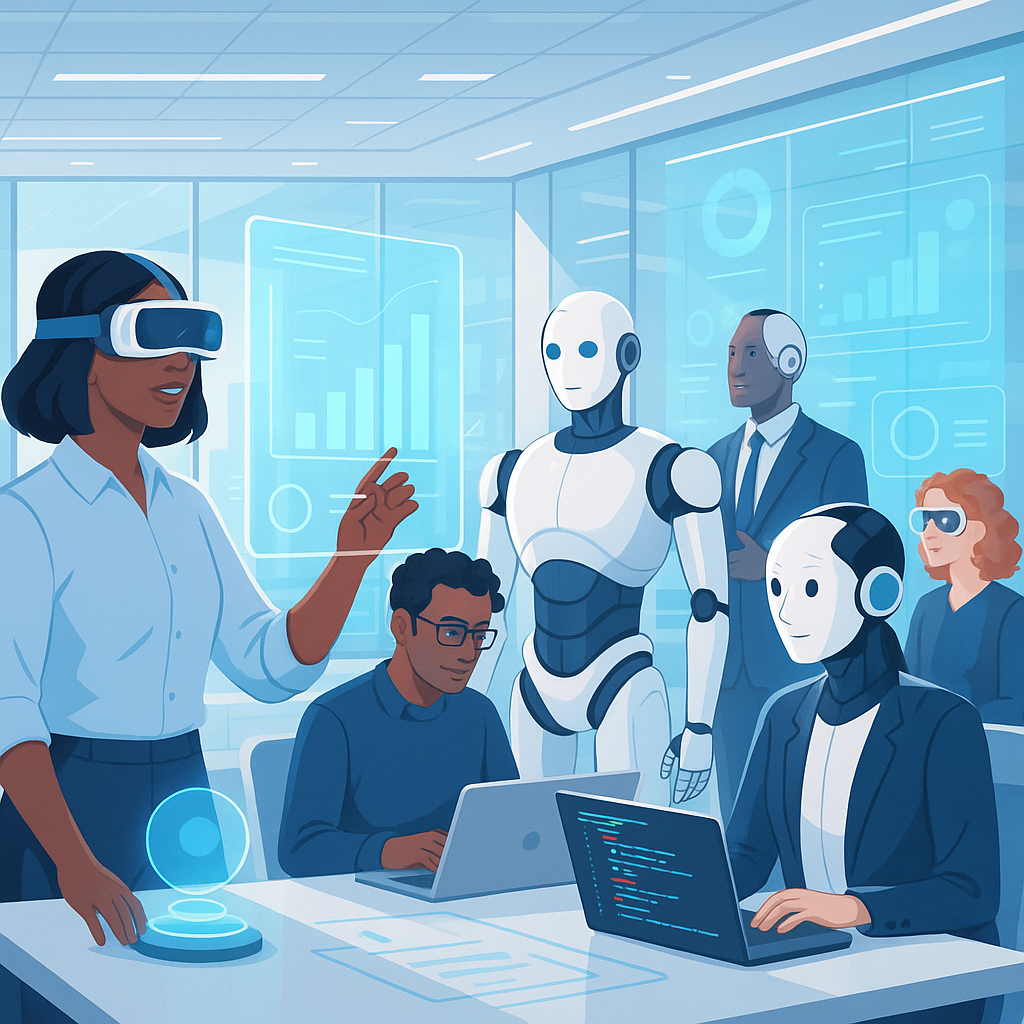
The combination of AI vision, reasoning, and task planning is pushing robotics into a new era. Robots are no longer just machines that repeat the same motion endlessly. They are becoming intelligent systems capable of working alongside humans in meaningful ways.
- They can boost productivity by handling repetitive or physically demanding tasks.
- They can improve safety by working in hazardous environments where human presence is risky.
- They can support human workers rather than replace them, taking on tasks that free people to focus on higher-level work.
As AI technology continues to advance, robots will become even more capable, affordable, and accessible — making them a regular part of daily life for individuals and businesses alike.
In summary, the integration of artificial intelligence into robotics is transforming these machines from rigid, rule-following tools into adaptable, intelligent partners. Whether in a hospital ward, a farm field, or a home kitchen, smarter robots are set to play a growing role in how we live and work.
Frequently Asked Questions
AI-powered vision systems allow robots to process visual data in real time. They can identify objects by analyzing shapes, colors, sizes, and distances, even in cluttered or unpredictable environments like warehouses or homes.
AI-powered robots are being used across several industries including healthcare, agriculture, logistics and warehousing, home assistance, and emergency rescue operations.
Modern AI robots with task planning capabilities can break down complex jobs into steps, determine the best sequence, and adjust their plans if something changes — reducing the need for constant human oversight, though full autonomy depends on the specific application.