Climate change is no longer a distant threat — it is reshaping how engineers design, build, and plan across every sector. From rising sea levels to record-breaking heatwaves, the pressure on infrastructure and natural resources is growing fast. Engineers around the world are stepping up with practical, science-backed solutions to protect communities and reduce environmental damage.
Adopting Sustainable Engineering Practices
One of the biggest shifts in modern engineering is the move toward sustainability. Engineers now design projects with the goal of reducing environmental harm and cutting carbon emissions at every stage.
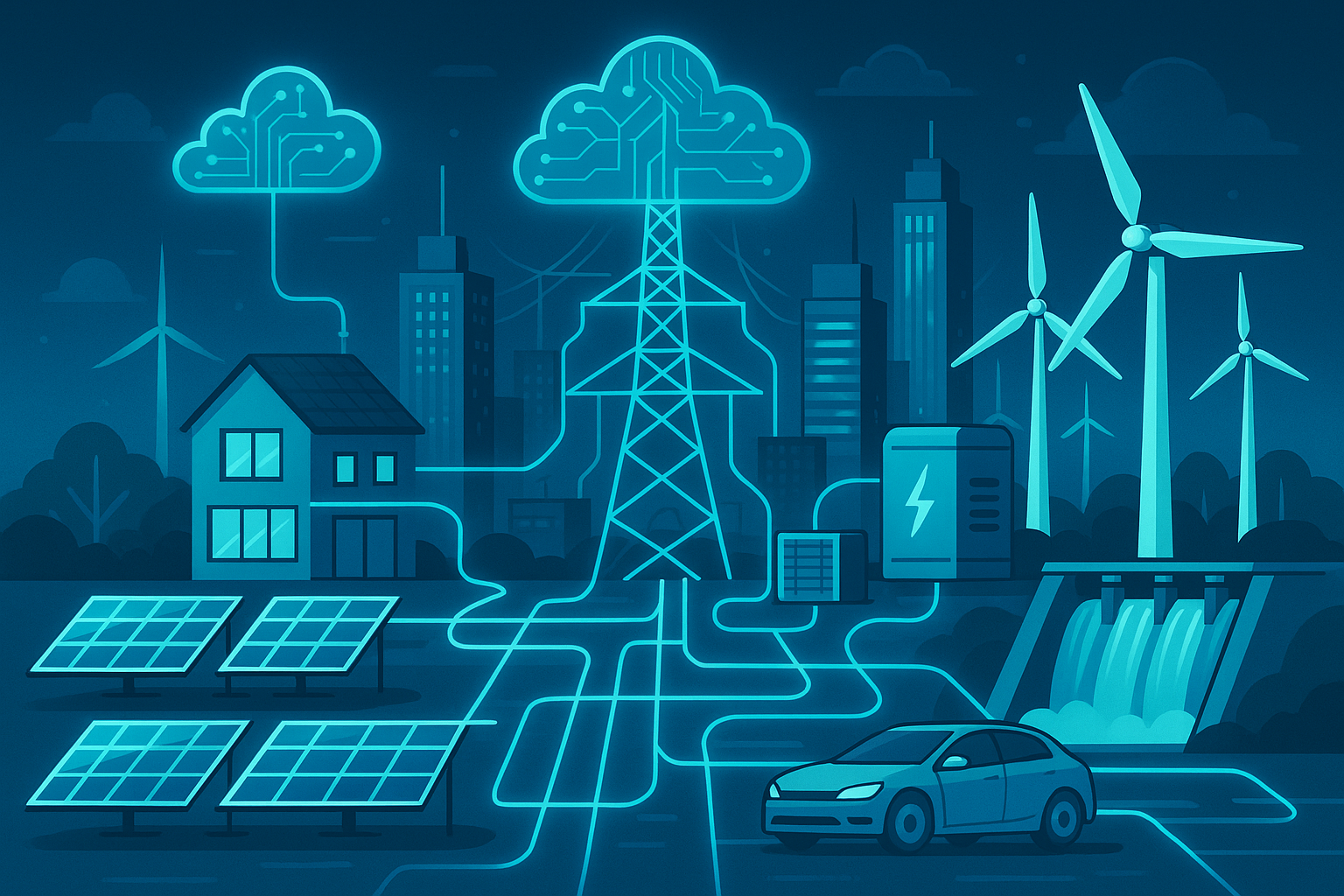
- Renewable Energy Integration: Solar, wind, and hydropower are replacing fossil fuels in energy systems, directly reducing greenhouse gas emissions.
- Eco-Friendly Materials: Engineers are choosing recycled, biodegradable, and energy-efficient materials for construction and manufacturing projects.
- Carbon Capture and Storage (CCS): Technologies like CCS and bioengineering are helping industries significantly reduce pollution output.
By embedding sustainability into core engineering decisions, professionals in this field are playing a direct role in slowing climate change and preserving natural resources for future generations.
Building Infrastructure That Can Withstand Climate Extremes
As floods, storms, and extreme heat events become more frequent, engineers are rethinking how cities, bridges, roads, and public spaces are built.
- Flood-Resistant Structures: Raised buildings, permeable surfaces, and improved drainage systems help manage heavy rainfall and prevent urban flooding.
- Storm-Resistant Design: Stronger materials and advanced construction techniques allow structures to endure hurricanes, earthquakes, and severe weather conditions.
- Smart Urban Infrastructure: Cities are adopting AI-powered systems that respond to changing weather conditions, reducing energy waste and improving overall resilience.
Resilient infrastructure means communities are better prepared to face climate-related disasters without suffering catastrophic losses.
Managing Water Resources More Effectively
Water is among the most critical resources affected by climate change. Some regions face severe droughts while others deal with dangerous flooding. Engineers are developing targeted solutions to address both extremes.
- Rainwater Harvesting: Collecting and storing rainwater reduces dependence on traditional water sources and helps communities prepare for dry periods.
- Greywater Recycling: Reusing water from household sinks, showers, and washing machines cuts freshwater waste significantly.
- Advanced Flood Control Systems: Engineered barriers, reservoirs, and smart drainage networks protect vulnerable areas from devastating floods.
These water management innovations ensure that communities can access clean water reliably while staying protected from water-related disasters.
Designing Sustainable Cities and Urban Spaces
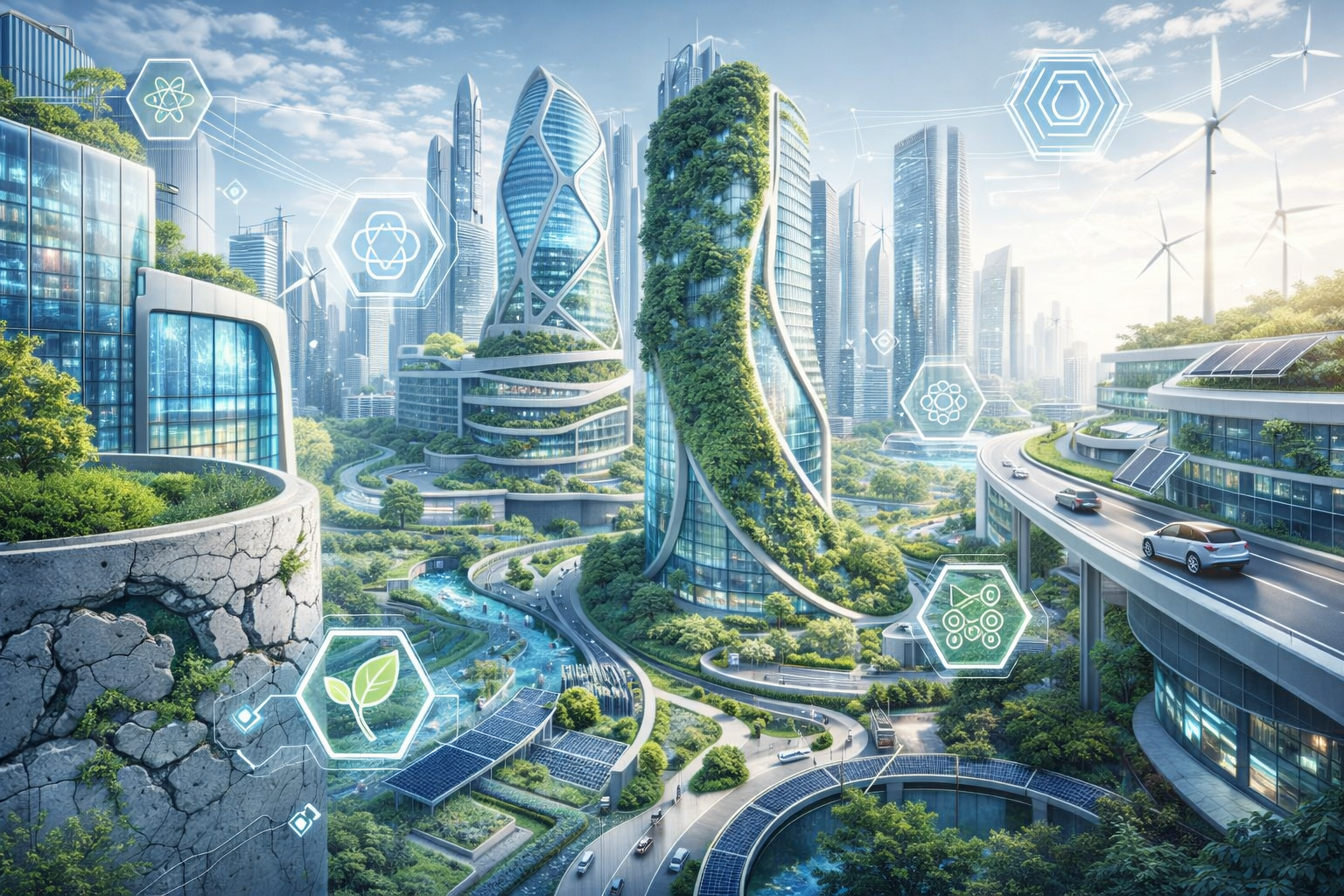
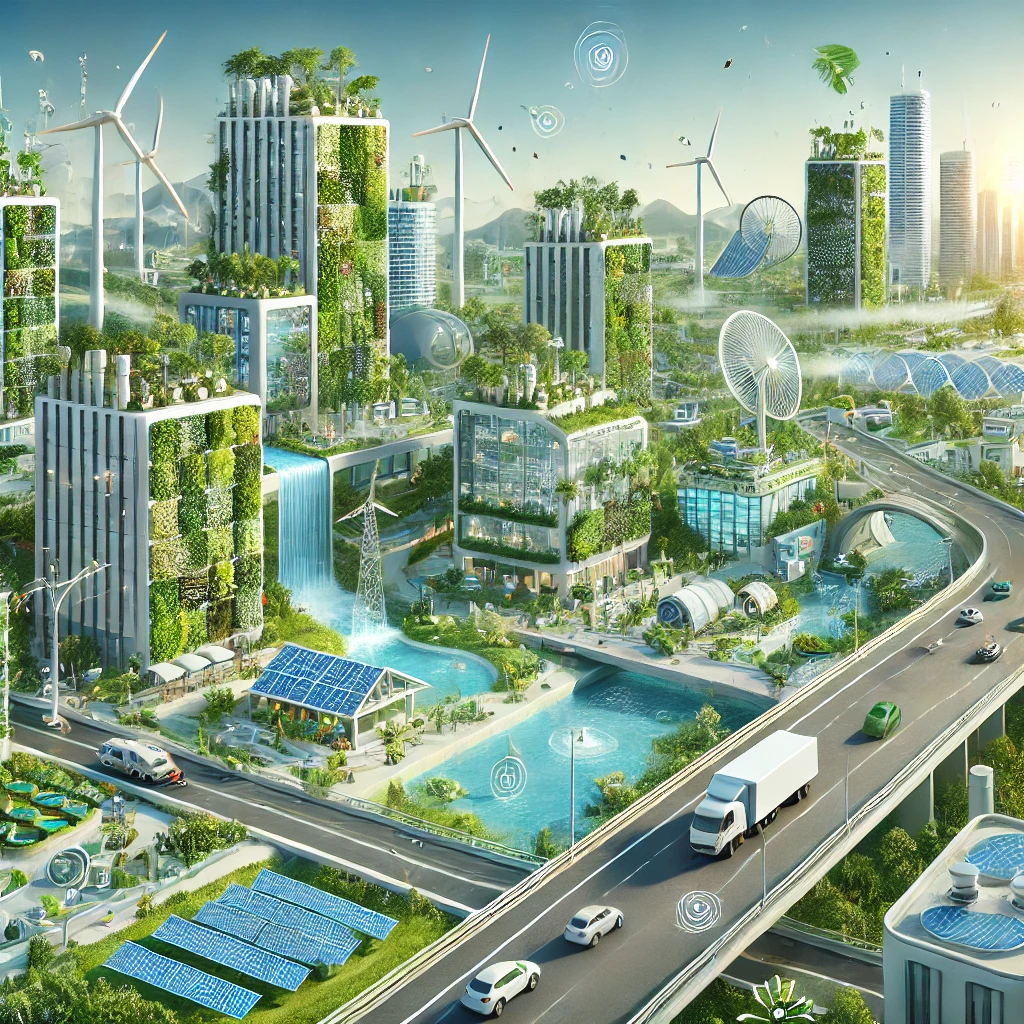
Cities are on the front line of climate change, dealing with rising temperatures, worsening air quality, and growing populations. Engineers and urban planners are working together to make cities greener and more livable.
- Green Spaces and Urban Forests: Expanding tree cover, rooftop gardens, and public parks helps cool urban areas, clean the air, and absorb carbon emissions.
- Sustainable Transportation: Dedicated bike lanes, electric buses, and pedestrian-friendly infrastructure reduce car dependency and lower pollution levels.
- Smart City Planning: AI-powered traffic management and smart energy grids reduce congestion and cut unnecessary energy consumption.
When climate-aware thinking is built into urban planning from the start, cities become more adaptable and better equipped for long-term challenges.
Creating Energy-Efficient Buildings
Buildings account for a significant share of global energy use and carbon emissions. Engineers are transforming how homes, offices, and public buildings are designed and constructed.
- Passive Solar Design: Harnessing natural sunlight and heat to warm or cool buildings reduces reliance on artificial energy systems.
- Sustainable Construction Materials: Using bamboo, recycled steel, and low-carbon concrete lowers the carbon footprint of new construction projects.
- Smart Energy Monitoring: Automated climate control systems use real-time data to adjust lighting, heating, and cooling, cutting energy waste significantly.
Smarter, more sustainable buildings are a practical way to reduce the environmental impact of urban growth while keeping energy costs lower for occupants.
| Engineering Focus Area | Key Solutions | Primary Benefit |
|---|---|---|
| Sustainable Practices | Renewable energy, CCS, eco-materials | Reduced carbon emissions |
| Resilient Infrastructure | Flood-resistant structures, smart systems | Disaster preparedness |
| Water Management | Rainwater harvesting, greywater recycling | Water security |
| Urban Planning | Green spaces, smart transport | Livable, low-emission cities |
| Energy-Efficient Buildings | Passive solar, smart monitoring | Lower energy consumption |
Engineering is at the heart of humanity’s response to climate change. As biotechnology, materials science, and smart technologies continue to advance, engineers will develop even stronger tools to protect communities, conserve resources, and build a world where sustainability is the standard — not the exception.
Frequently Asked Questions
Engineers are developing solutions such as renewable energy systems, carbon capture technology, flood-resistant infrastructure, water recycling systems, and energy-efficient buildings to reduce carbon emissions and help communities adapt to climate change.
Climate-resilient infrastructure refers to structures and systems designed to withstand extreme weather events like floods, storms, and heatwaves. This includes raised buildings, permeable surfaces, improved drainage, and smart city technologies that adapt to changing conditions.
Sustainable urban planning incorporates green spaces, smart transportation systems, energy-efficient buildings, and AI-powered city management to reduce emissions, lower urban temperatures, and make cities more livable and resilient in the face of climate change.