
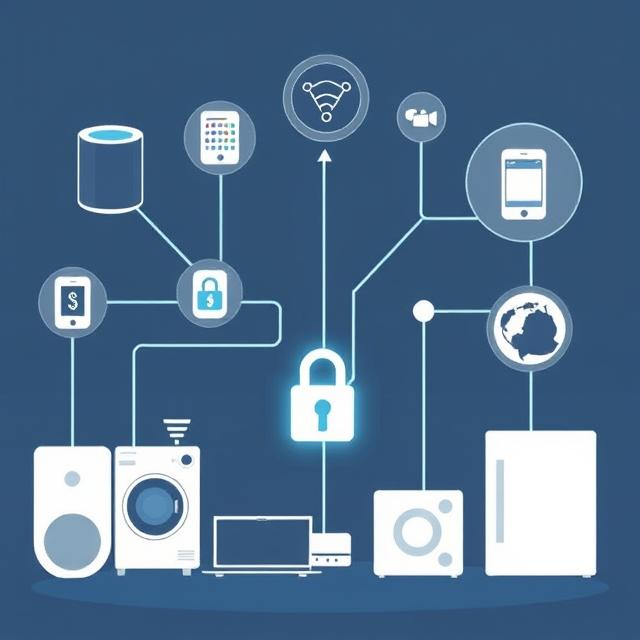
The Internet of Things is expanding at a rapid pace. From smart home devices to industrial sensors, billions of connected gadgets are now part of daily life. But as this network grows, so do the security risks. Governments, companies, and cybersecurity experts are all racing to keep up with the threats that come with this connected world.
GlobalPlatform Launches New Secure Channel Protocol for IoT Devices
One of the most significant recent developments in IoT security comes from GlobalPlatform, which has introduced a new Secure Channel Protocol specifically designed for low-power IoT devices. This protocol focuses on two key areas: stronger encryption and more effective remote device management.
Low-power devices — such as smart thermostats, wearables, and home security cameras — have historically been difficult to secure because they lack the processing power of traditional computers. This new protocol addresses that gap directly, offering a practical security layer for the kinds of gadgets that millions of people use every day.
- Better encryption for battery-powered devices
- Remote management capabilities for businesses and home users
- Improved protection for consumer gadgets like smart cameras and fitness trackers
This move by GlobalPlatform signals a broader industry push to treat small connected devices with the same security seriousness as enterprise systems.
Asimily Study Reveals the Real Cost of Ignoring IoT Security
A new study from cybersecurity firm Asimily has put hard numbers behind what many security professionals have long warned about: neglecting IoT security is not just a technical risk — it is a business risk.
The findings highlight that companies failing to secure their IoT infrastructure face a range of serious consequences, including:
- Data breaches that expose sensitive customer and business information
- Operational disruptions caused by compromised connected systems
- Physical damage resulting from hacked devices in industrial or healthcare environments
The Asimily report makes a strong case for proactive security planning. As IoT deployments grow in scale and complexity, waiting for an incident to happen before acting is no longer a viable strategy. Businesses need to audit their connected devices, apply regular firmware updates, and segment IoT networks from core business systems.
Amazon Alexa Skills Raise New Cybersecurity Concerns
Voice assistants have become a fixture in millions of homes, but cybersecurity experts are now raising concerns about potential vulnerabilities in Amazon Alexa’s third-party application ecosystem, known as “skills.”
These skills are mini-applications that extend Alexa’s functionality — from ordering food to controlling smart home devices. However, researchers warn that bad actors could potentially exploit poorly secured skills to bypass security measures and launch targeted cyber attacks on users.
The concern is not hypothetical. As voice assistants handle increasingly sensitive tasks — including home access control, financial queries, and health monitoring — the stakes of a security breach are much higher than they were a few years ago.
Both app developers and device manufacturers need to take responsibility here. Stronger vetting of third-party skills, regular security audits, and clearer user permissions are among the steps experts recommend.
FIDO Alliance’s New Protocol Aims to Standardise IoT Device Security
On the standards front, the FIDO Alliance is making notable progress with its FIDO Device Onboard (FDO) protocol. This open standard is designed to simplify and secure the process of connecting IoT devices to cloud or on-premises management platforms.
Currently, onboarding IoT devices — the process of registering and configuring them on a network — is often manual, inconsistent, and prone to human error. The FDO protocol automates much of this process while building security in from the start.
| Feature | Traditional IoT Onboarding | FIDO Device Onboard Protocol |
|---|---|---|
| Setup Process | Manual, time-consuming | Automated and standardised |
| Security Level | Varies by manufacturer | Consistent open standard |
| Cloud Compatibility | Limited or proprietary | Broad cloud and on-site support |
For businesses managing large fleets of IoT devices, this kind of standardisation is a major step forward. It reduces the risk of misconfiguration and makes it easier to enforce consistent security policies across an entire network.
What Individuals and Businesses Should Do Right Now
The developments above point to a clear direction: IoT security is maturing, but the threats are maturing just as fast. Here are practical steps that both individuals and organisations can take today:
- Regularly update firmware on all connected devices
- Use strong, unique passwords for each IoT device and its management portal
- Segment IoT devices onto a separate network from primary business or home systems
- Review and limit permissions granted to third-party apps on voice assistants like Alexa
- Work with vendors who follow recognised security standards such as those from FIDO Alliance or GlobalPlatform
IoT security is no longer a niche concern for tech specialists. With connected devices embedded in homes, hospitals, factories, and offices, everyone has a stake in getting this right. The good news is that the industry is responding — with new protocols, better standards, and growing awareness of the real-world consequences of getting it wrong.
Frequently Asked Questions
The biggest risks include weak or default passwords, outdated firmware, lack of encryption, and insecure third-party integrations. Devices like smart cameras, thermostats, and voice assistants are common targets because they are often left unsecured after installation.
The FIDO Device Onboard (FDO) protocol is an open standard developed by the FIDO Alliance to automate and secure the process of connecting IoT devices to cloud or on-premises management systems. It reduces manual setup errors and enforces consistent security across large device networks.
You can improve Alexa security by regularly reviewing and removing unused third-party skills, enabling voice purchase PIN protection, keeping the Alexa app updated, and limiting the permissions granted to each skill. Avoid enabling skills from unknown or unverified developers.