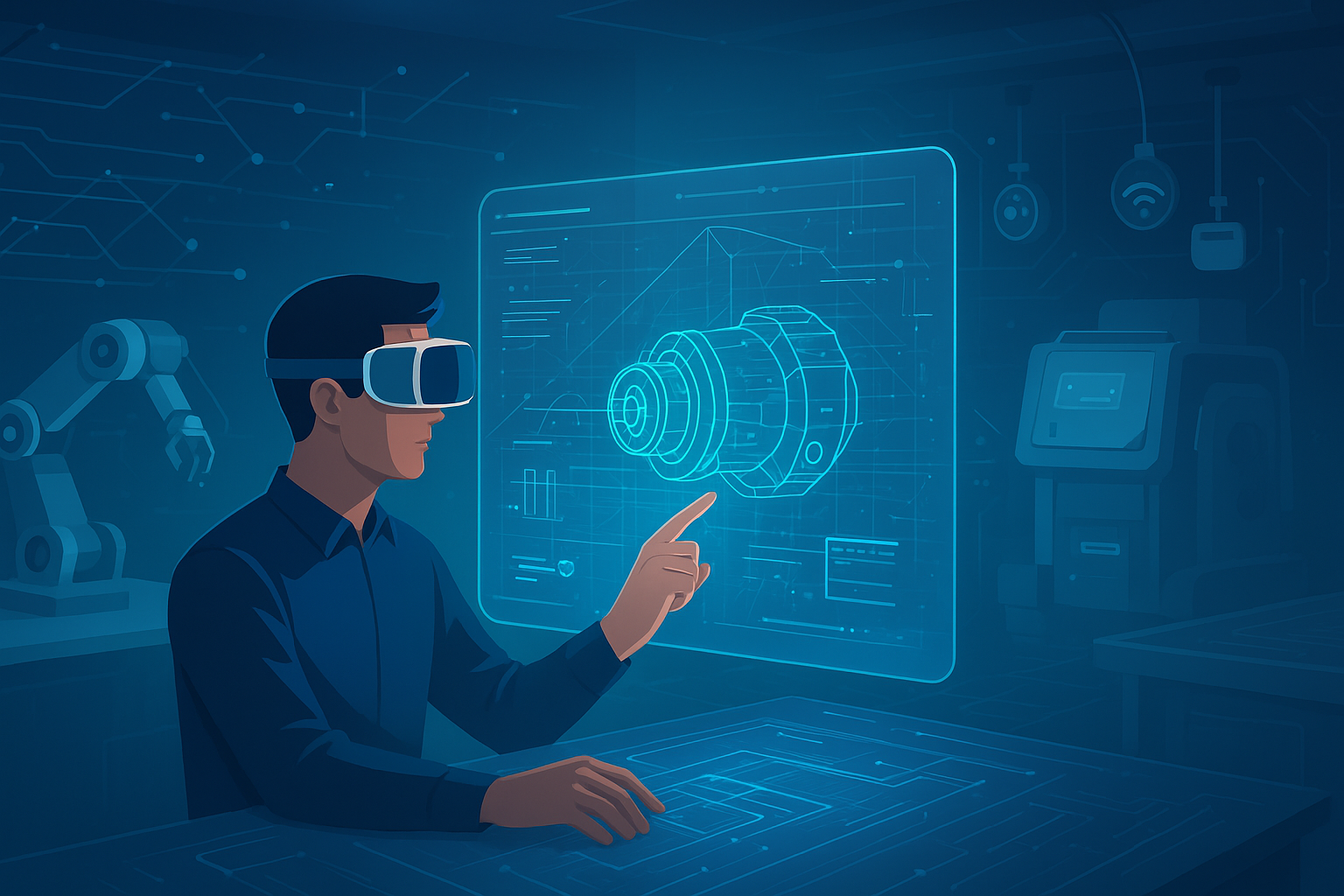
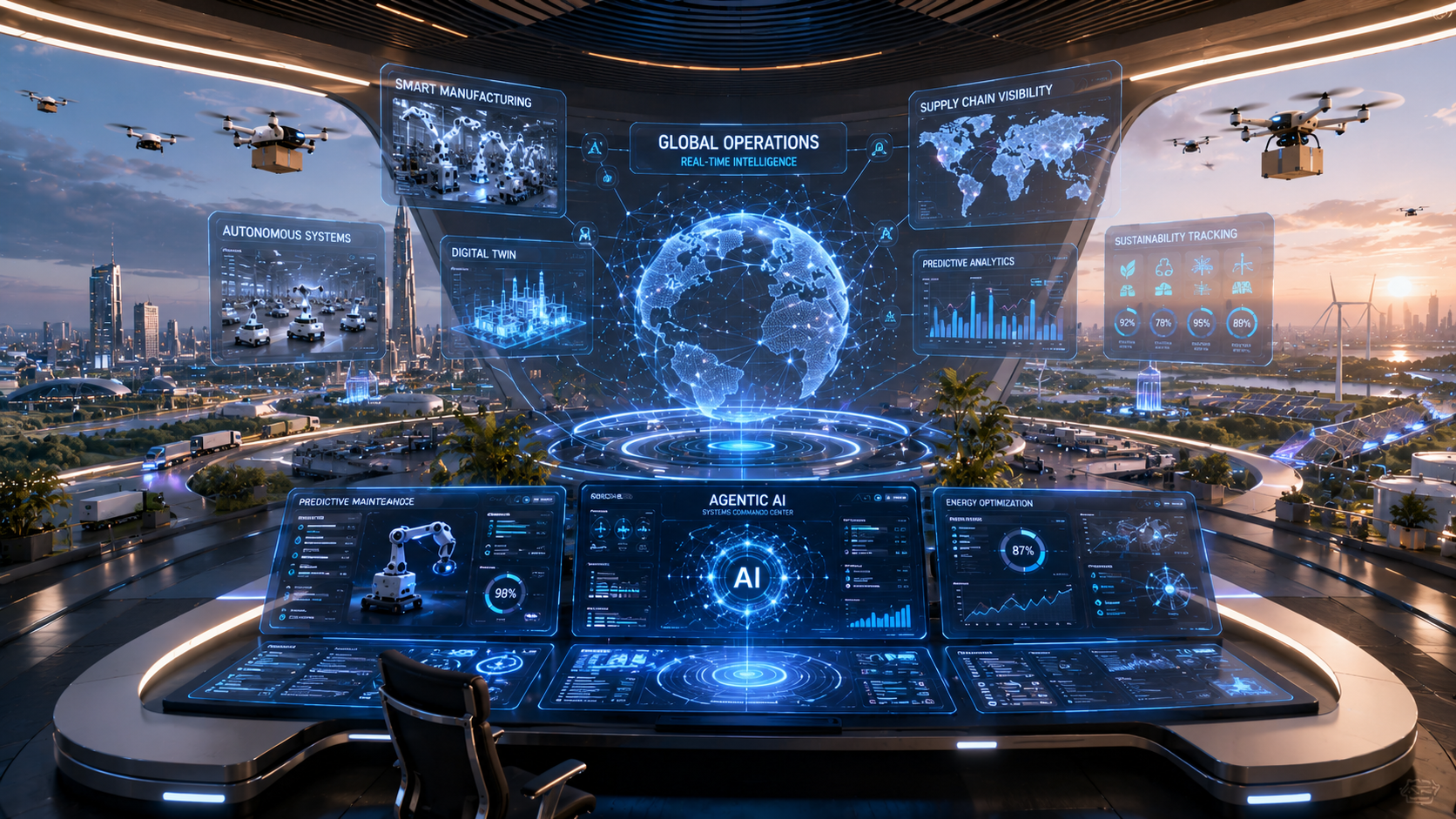
Engineering operations are getting more complex every year. Teams must manage massive data flows, maintain critical equipment, hit tight project deadlines, and keep costs under control — all at the same time. Agentic AI is stepping in as a practical solution that goes well beyond traditional automation, helping engineering teams make smarter decisions and run more efficient operations.
What Is Agentic AI and How Is It Different?
Agentic AI is an advanced form of artificial intelligence that works toward a defined goal rather than simply executing a fixed set of instructions. Unlike traditional automation, which follows predefined rules and needs human supervision at every step, Agentic AI can analyze situations, evaluate options, and take action on its own.
Think of it as an intelligent system that actively solves problems. If a company wants to reduce machine downtime, Agentic AI can monitor equipment around the clock, spot early warning signs, schedule maintenance automatically, and recommend solutions — all before a breakdown actually happens.
This ability to act independently and adapt to changing conditions is what makes it fundamentally different from older automation tools.
Why Engineering Operations Need Smarter Automation
Modern engineering environments generate enormous volumes of data every single day. Machines, sensors, software platforms, and connected devices continuously produce information that needs to be tracked, analyzed, and acted upon.
Engineers often spend a significant portion of their time reviewing reports, monitoring equipment performance, managing workflows, and responding to unexpected issues. As businesses scale, handling all of this manually becomes increasingly difficult.
Agentic AI takes over many of these routine monitoring and decision-making tasks. This frees engineers to focus on higher-value work — innovation, strategic planning, and solving complex technical challenges that genuinely require human expertise.
Key Areas Where Agentic AI Is Making an Impact
Agentic AI is already being applied across several critical areas of engineering operations. Here is a look at where it is delivering the most value:
- Predictive Maintenance: Instead of waiting for equipment to fail or following a fixed maintenance calendar, Agentic AI monitors machines in real time, detects unusual patterns, and predicts failures before they occur. This reduces costly downtime and extends equipment life.
- Production Efficiency: The technology analyzes production data, identifies bottlenecks, adjusts schedules, and recommends better resource allocation. When demand spikes, it can help optimize workflows to meet targets without compromising quality.
- Project Management: Agentic AI tracks project timelines, monitors resource usage, flags potential delays, and suggests corrective actions — helping project managers keep complex engineering projects on track.
- Digital Twin Technology: Agentic AI enhances digital twins — virtual replicas of real machines or facilities — by running simulations, analyzing performance data, and recommending improvements automatically. Engineers can test changes in a virtual environment before applying them in the real world.
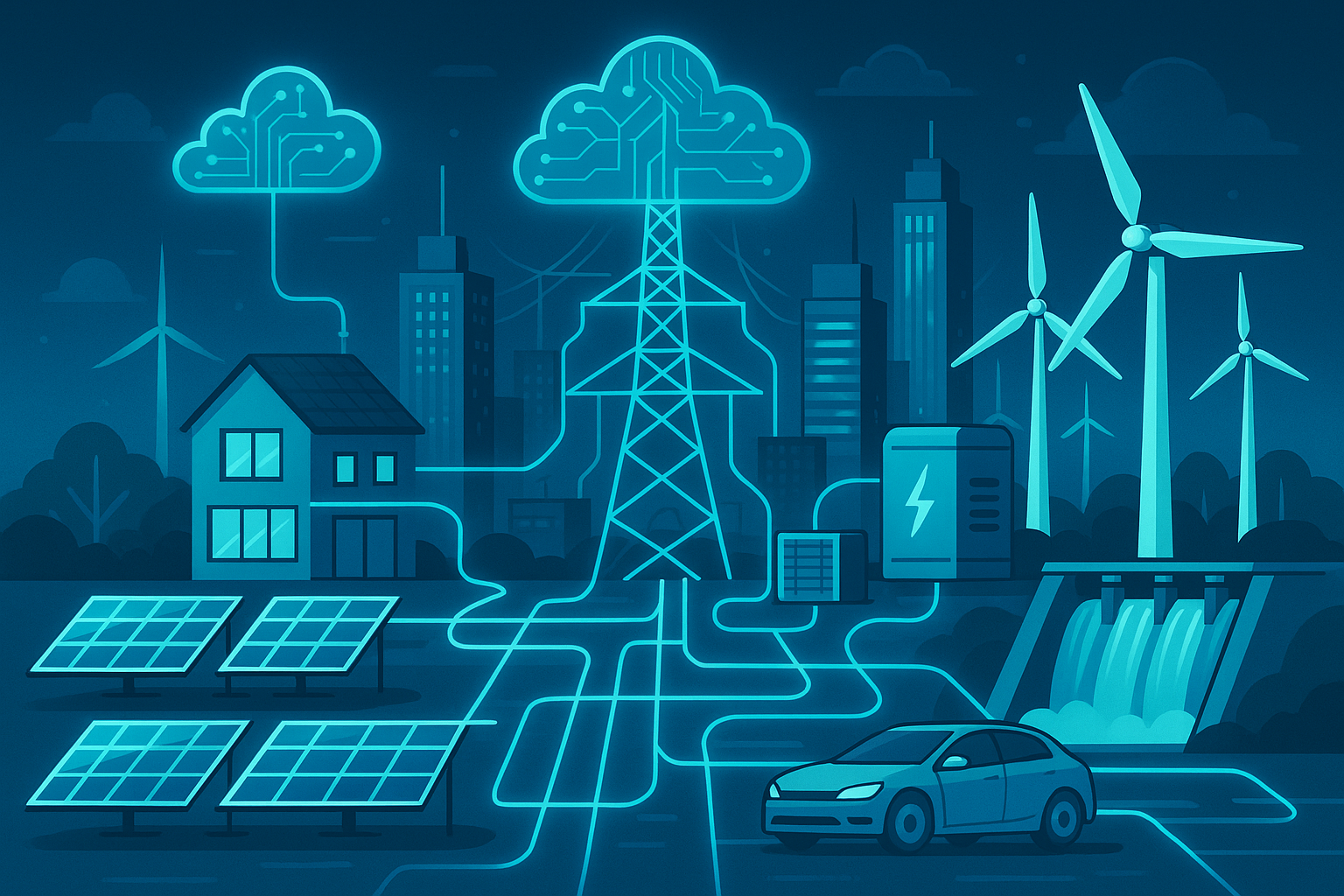
- Energy Optimization: By monitoring energy consumption across facilities, Agentic AI identifies inefficiencies and automatically adjusts operations to reduce unnecessary usage, cutting costs and supporting sustainability goals.
- Quality Control: The system monitors production processes in real time, detects defects early, and learns from historical data to become more accurate over time — helping businesses maintain consistent product quality.
Benefits vs. Challenges: A Quick Comparison
| Benefits | Challenges |
|---|---|
| Reduced equipment downtime | Requires reliable, high-quality data |
| Faster and more informed decision-making | Strong cybersecurity measures are essential |
| Lower operational and maintenance costs | Employees need training to work alongside AI systems |
| Improved product quality and consistency | AI decisions must be transparent and auditable |
| Better energy efficiency and sustainability | Infrastructure investment may be required upfront |
What the Future of Engineering Looks Like with Agentic AI
The engineering sector is moving toward smarter factories, autonomous production systems, and deeply connected digital infrastructure. Agentic AI is expected to be at the center of this shift.
In smart manufacturing environments, Agentic AI will manage entire production lines with minimal human intervention. In infrastructure management, it will monitor and maintain critical systems proactively. In digital engineering platforms, it will help teams design, test, and deploy solutions faster than ever before.
Companies that begin adopting Agentic AI now will build a strong foundation for the next generation of engineering operations. Those that wait risk falling behind as the technology becomes standard across the industry.
To get the most out of Agentic AI, organizations should focus on building reliable data pipelines, investing in cybersecurity, and creating a culture where engineers and AI systems work together effectively. Transparency in how AI-generated decisions are made will also be critical for building trust across teams.
In conclusion, Agentic AI is not just another automation tool. It represents a meaningful shift in how engineering operations are managed — one where intelligent systems actively contribute to problem-solving, efficiency, and long-term performance. From predictive maintenance and energy optimization to quality control and project delivery, Agentic AI is helping engineering teams achieve results that were difficult to reach with traditional methods alone.
Frequently Asked Questions
Agentic AI is a type of artificial intelligence that can understand goals, analyze situations, make decisions, and take action with minimal human involvement. In engineering, it is used to monitor equipment, optimize production, manage projects, and improve quality control by continuously learning from real-time data.
Agentic AI monitors equipment around the clock, detects unusual patterns or early warning signs, and predicts potential failures before they happen. This allows maintenance teams to fix issues proactively, reducing costly breakdowns and unplanned downtime.
Key challenges include the need for reliable and high-quality data, strong cybersecurity infrastructure, employee training, and ensuring that AI-generated decisions are transparent and understandable. With proper planning and investment, these challenges can be effectively managed.