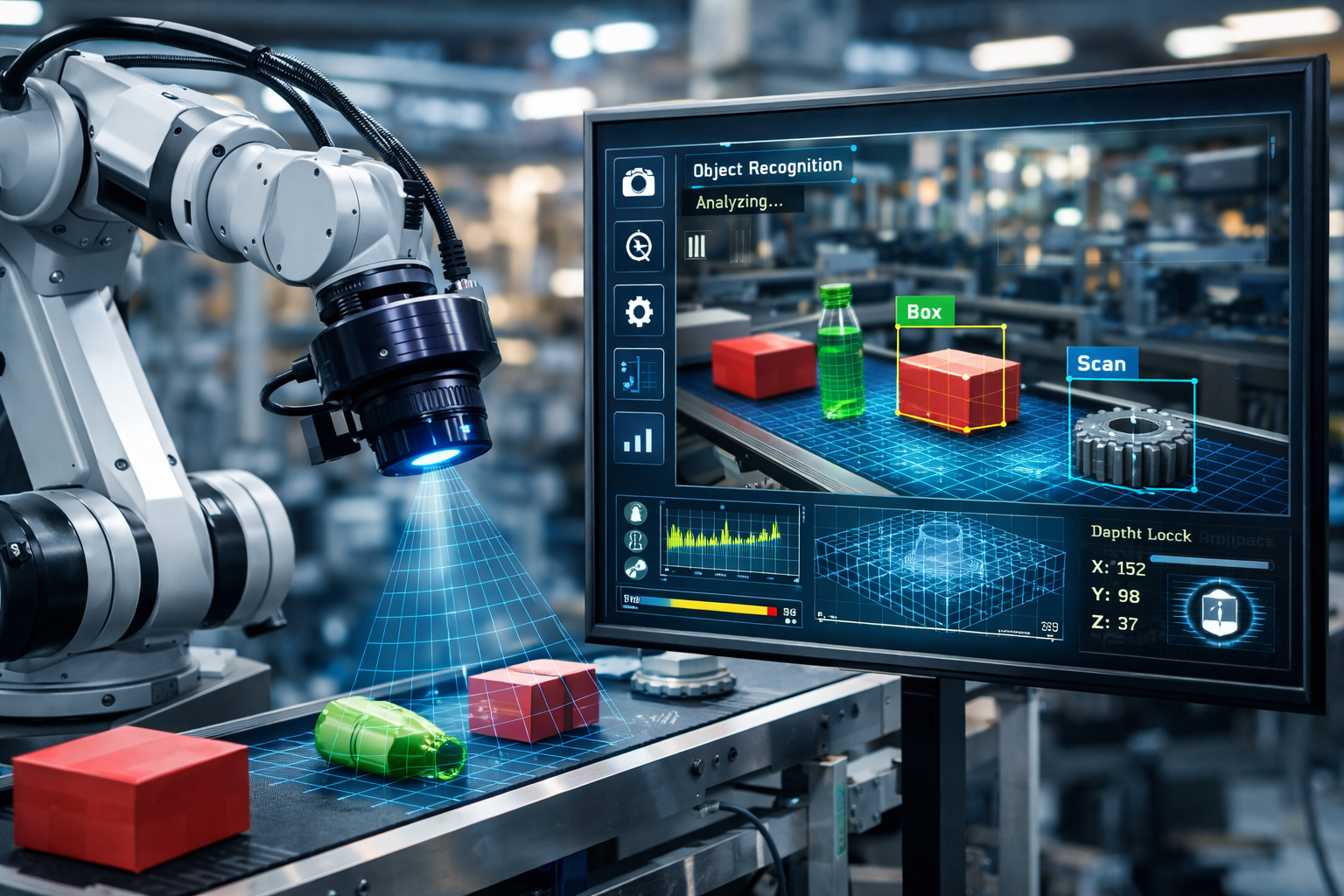
Robots have come a long way from simply following fixed, pre-programmed paths. Today, vision-controlled robots can observe their surroundings, identify objects, detect defects, and adjust their actions in real time. This technology is rapidly becoming a core part of modern manufacturing, warehousing, and industrial automation.
What Is Vision Control in Robotics?
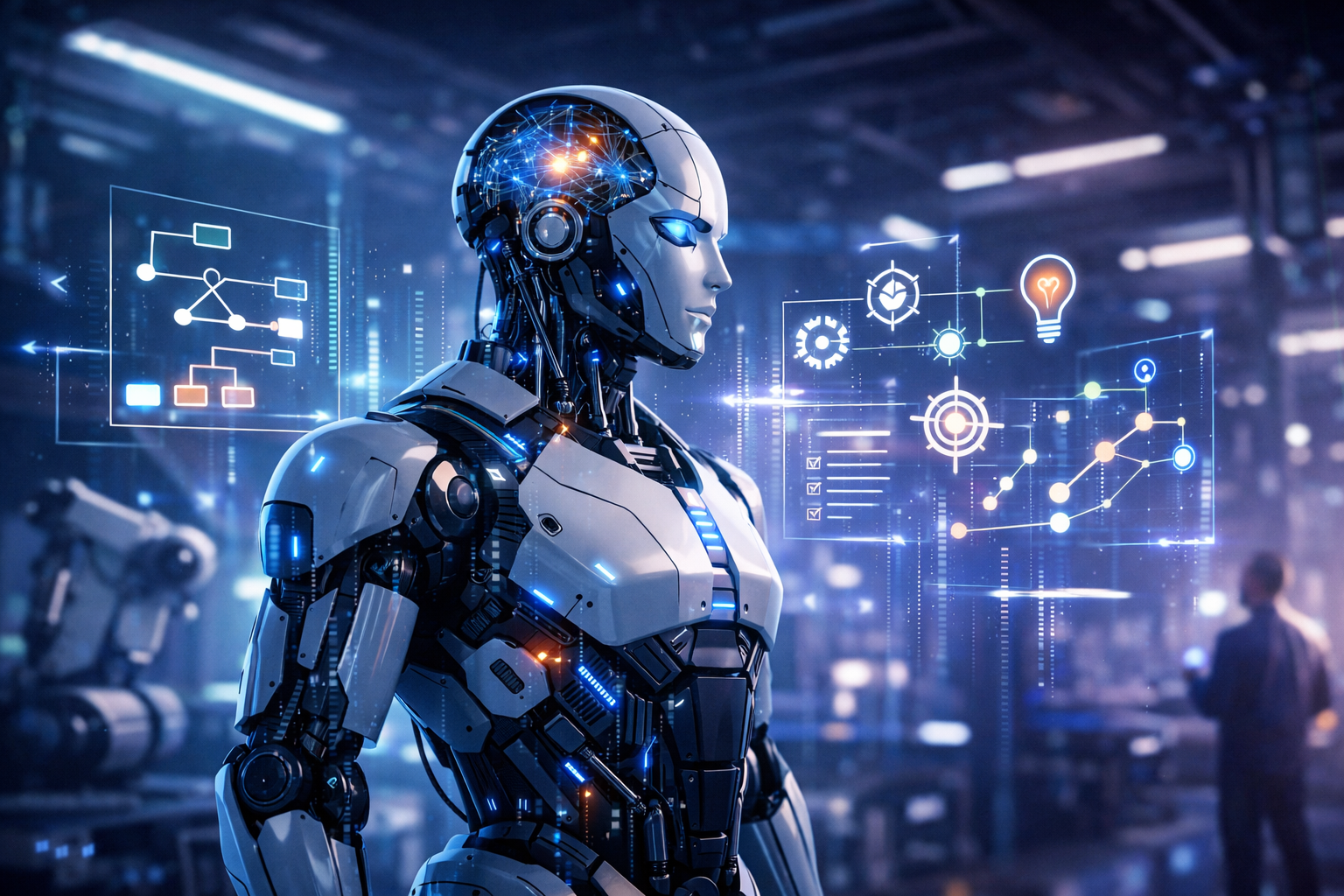
Vision control means giving a robot the ability to see and understand its environment using cameras and smart software. Just as humans rely on their eyes to assess a situation before acting, robots use cameras combined with computer vision software to observe, interpret, and respond to what is in front of them.
Without vision systems, robots move along fixed, repetitive paths with no awareness of changes around them. With vision control, robots can adjust their movements based on what they actually see — making them far more capable and adaptable.
How Do Robots Actually See?
A robotic vision system typically works in three stages:
- Cameras and Sensors: These capture images or video of objects, parts, or the surrounding workspace in real time.
- Image Processing Software: This software analyzes the captured images and answers key questions — Where is the object? What shape is it? Is it damaged? Which direction is it facing?
- Robot Control System: Once the image is interpreted, the system sends precise instructions to the robot, such as move left, pick this part, or avoid this obstacle.
These three components work together continuously, allowing the robot to respond dynamically to its environment rather than operating on blind repetition.
Types of Vision Technology Used in Robots
Not all robotic vision systems are the same. The type used depends on the complexity of the task.
| Vision Type | How It Works | Best Used For |
|---|---|---|
| 2D Vision | Basic cameras detect position — left, right, up, down | Sorting items on a conveyor belt |
| 3D Vision | Advanced cameras measure depth and height | Bin picking, complex assembly tasks |
| AI Vision | Machine learning helps identify objects of different shapes, positions, or in motion | Flexible, high-variability environments |
2D vision is the most basic form, suitable for straightforward tasks. 3D vision adds depth perception, which is critical when robots need to understand the size and distance of objects. AI-powered vision takes this further by allowing robots to recognize objects even when they are randomly placed, moving, or come in varying shapes and sizes.
Key Benefits of Vision-Controlled Robots
Integrating vision systems into robotic operations delivers several practical advantages for businesses and industries:
- Higher Accuracy: Robots can place parts precisely where needed, reducing errors significantly.
- Greater Flexibility: Robots automatically adjust if parts shift or change position, removing the need for perfect manual setup.
- Automated Quality Inspection: Vision systems allow robots to inspect products instantly and flag defects, cracks, or incorrect assembly without human intervention.
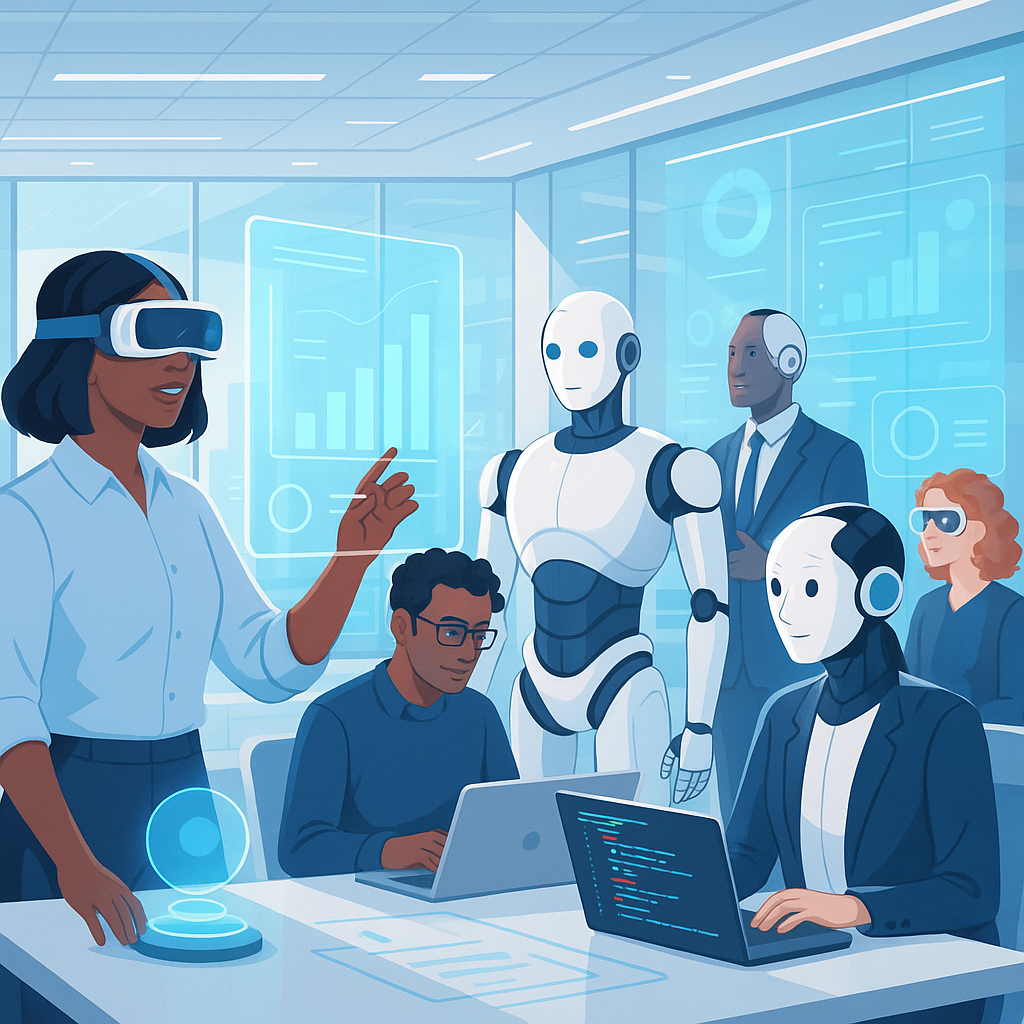
- Improved Workplace Safety: Robots equipped with vision can detect nearby human movement and avoid collisions, making shared workspaces safer.
- Faster Product Changeovers: Switching between different products or tasks becomes easier because adjustments are made through software rather than physical reconfiguration.
Where Vision-Controlled Robots Are Being Used
Vision control technology is already active across a wide range of industries:
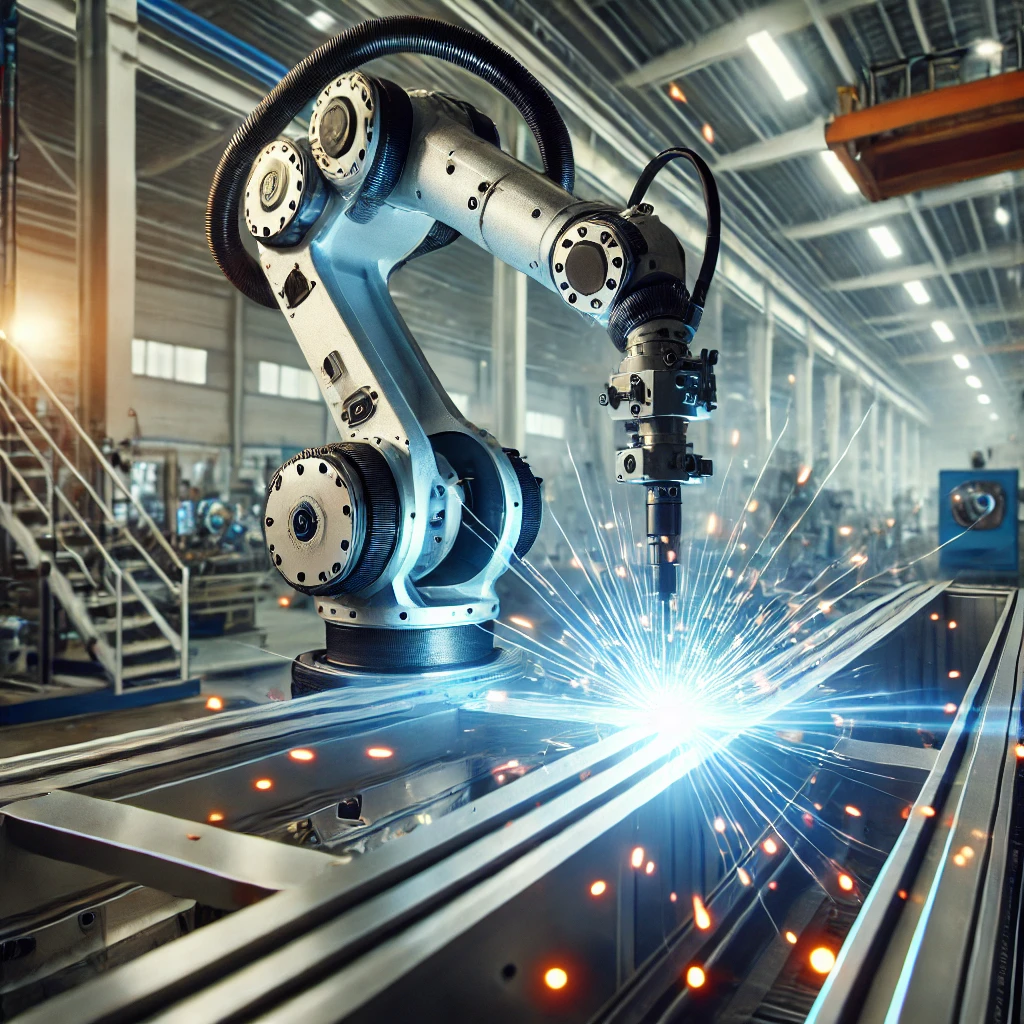
- Manufacturing: Robots identify components and assemble them correctly on production lines.
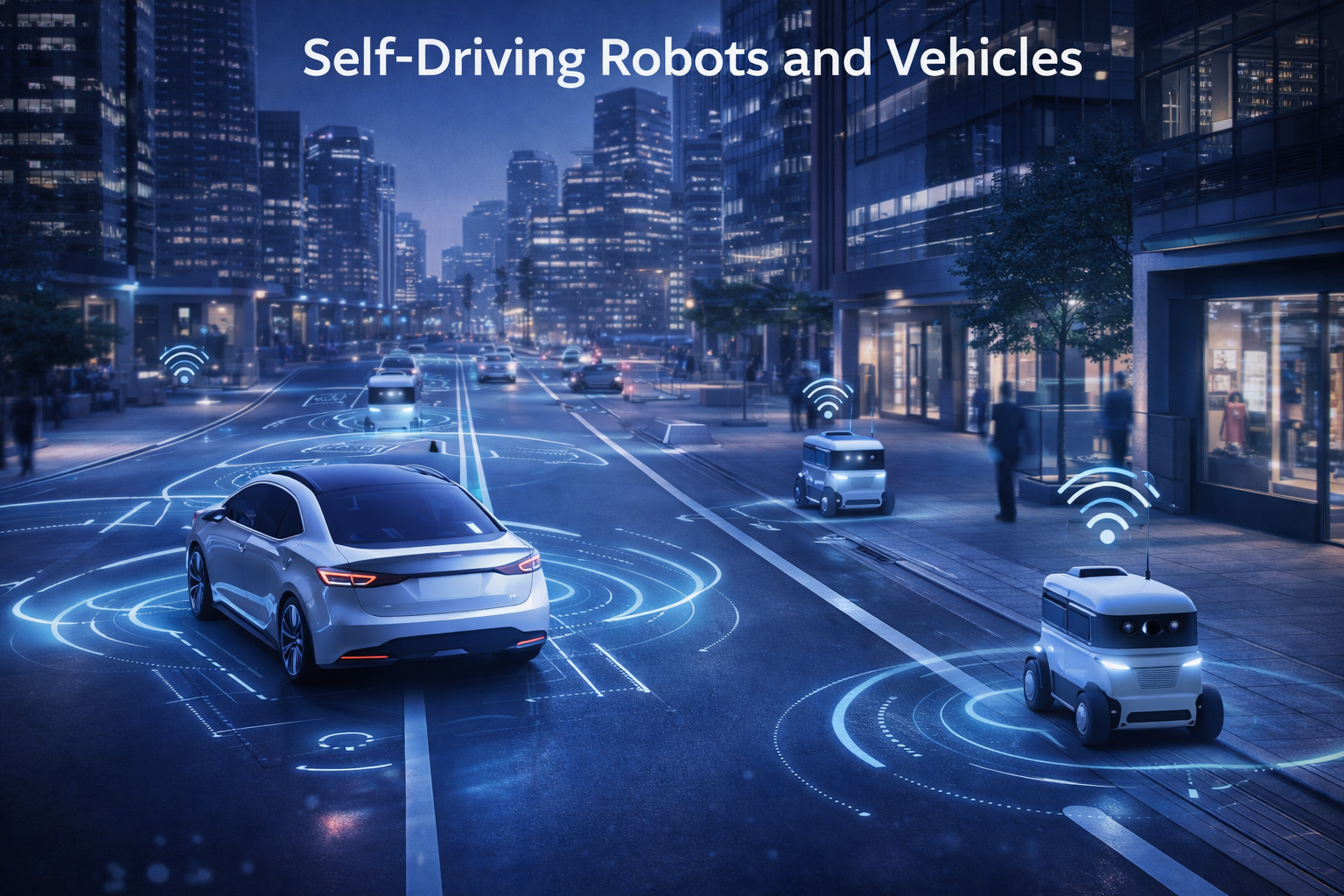
- Warehouse Automation: Robots locate packages, sort them by destination, and navigate around obstacles in large storage facilities.
- Bin Picking: Using 3D vision, robots pick randomly arranged objects from bins — a task that was previously very difficult to automate.
- Quality Inspection: Vision systems check finished products for defects, surface damage, or assembly errors at high speed.
- Collaborative Robots (Cobots): Cobots work safely alongside human workers because their vision systems allow them to detect and respond to nearby movement in real time.
The growth of Industry 4.0 and smart factory initiatives has made vision-guided robots a standard requirement rather than an optional upgrade. Businesses that adopt this technology gain measurable advantages in speed, accuracy, and operational efficiency.
As camera technology improves and AI-based image recognition becomes more powerful, vision controls will continue to expand into new areas — from agriculture and healthcare to logistics and construction. For any industry that relies on precision and adaptability, robotic vision systems represent one of the most practical and impactful technologies available today.
Frequently Asked Questions
Vision control in robotics refers to the use of cameras and image processing software to give robots the ability to see and understand their environment. This allows robots to adjust their movements and actions based on what they observe, rather than following fixed pre-programmed paths.
2D vision uses basic cameras to detect the position of objects in a flat plane — left, right, up, or down. It is suitable for simple tasks like sorting on a conveyor belt. 3D vision adds depth and height measurement, allowing robots to understand the size and distance of objects, which is essential for tasks like bin picking and complex assembly.
Vision-controlled robots are widely used in manufacturing for parts assembly, warehouse automation for sorting and navigation, bin picking for handling randomly placed objects, quality inspection for detecting product defects, and in collaborative robot setups where robots must safely work alongside human workers.