Cyber threats are growing faster than ever, and protecting your personal and business data has become a top priority. From advanced encryption to smarter authentication methods, the tools available today give individuals and organisations a real fighting chance against hackers and data breaches.
How AI Is Making Cybersecurity Smarter and Faster
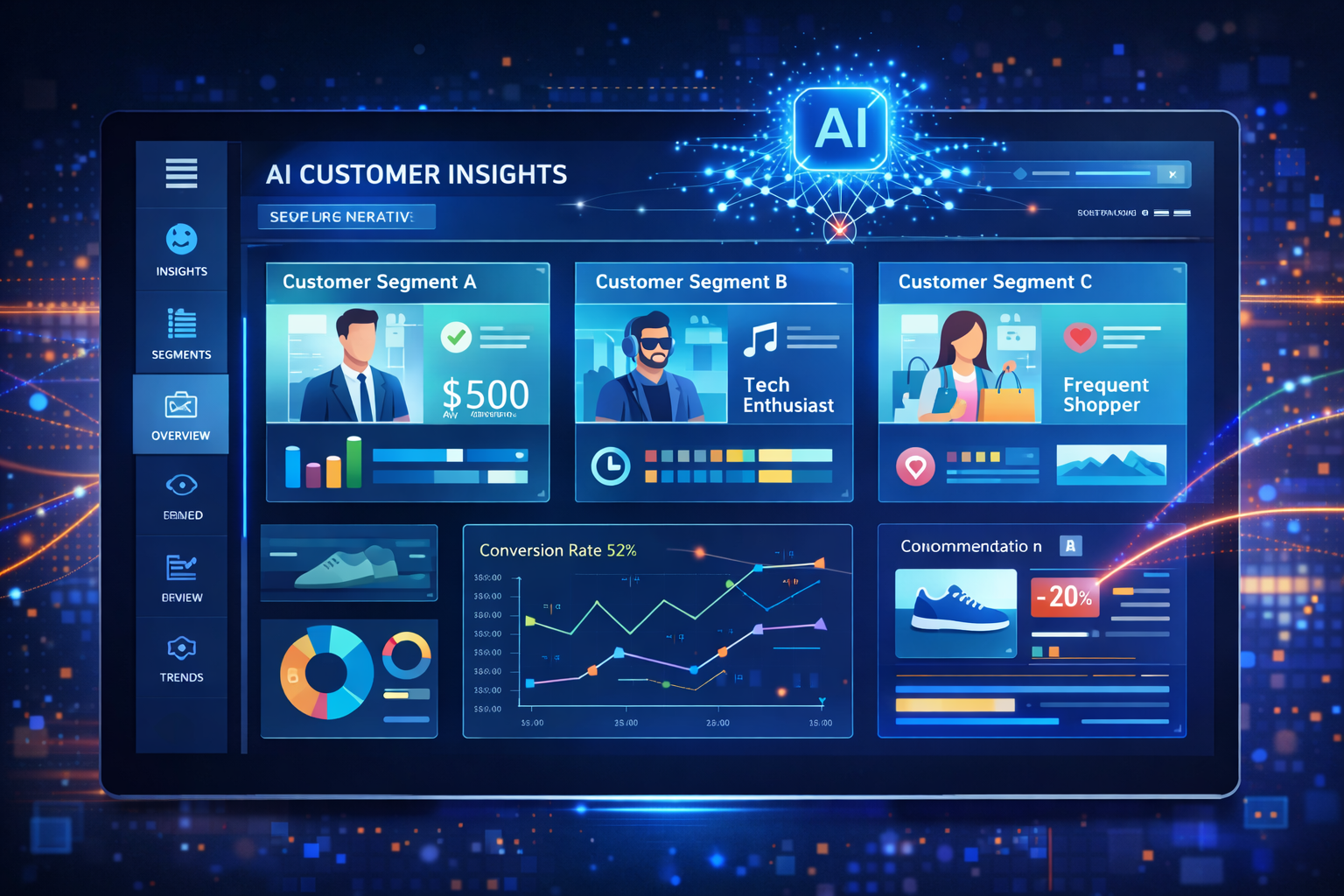
Security systems powered by artificial intelligence have changed the way threats are detected and handled. These systems can scan massive volumes of data within seconds, flagging unusual patterns that a human analyst might miss.
What makes AI-driven security particularly effective is its ability to learn from past incidents. Every breach or attempted attack adds to its knowledge base, making it sharper over time. This means the system gets better at predicting threats before they cause damage, rather than just reacting after the fact.
- Detects anomalies in real time across large networks
- Learns from previous attack patterns to improve future responses
- Reduces the time between threat detection and response
Stronger Encryption: Locking Down Your Sensitive Information
Encryption works like a secure vault — only someone with the right key can access what is inside. Standard encryption has been reliable for years, but newer techniques such as quantum encryption are raising the bar significantly.
Quantum encryption is far harder for attackers to break compared to traditional methods. This is especially important for protecting sensitive communications like emails, financial transactions, and personal records. As more services adopt stronger encryption standards, users benefit from better protection without needing to do anything differently on their end.
Real-Time Threat Detection: Watching Your Systems Around the Clock
Think of real-time threat detection tools as a security guard who never sleeps. These systems continuously monitor your devices, networks, and applications for any suspicious activity.
The moment something unusual is detected — whether it is an unauthorised login attempt or unusual data transfer — an alert is triggered. This gives security teams and individuals the chance to act quickly, often stopping an attack before it causes any real harm.
Key benefits of real-time monitoring include:
- Instant alerts when suspicious behaviour is detected
- Faster response times that limit potential damage
- Continuous protection without manual oversight
Zero Trust Security Model: Verify Every Access Request
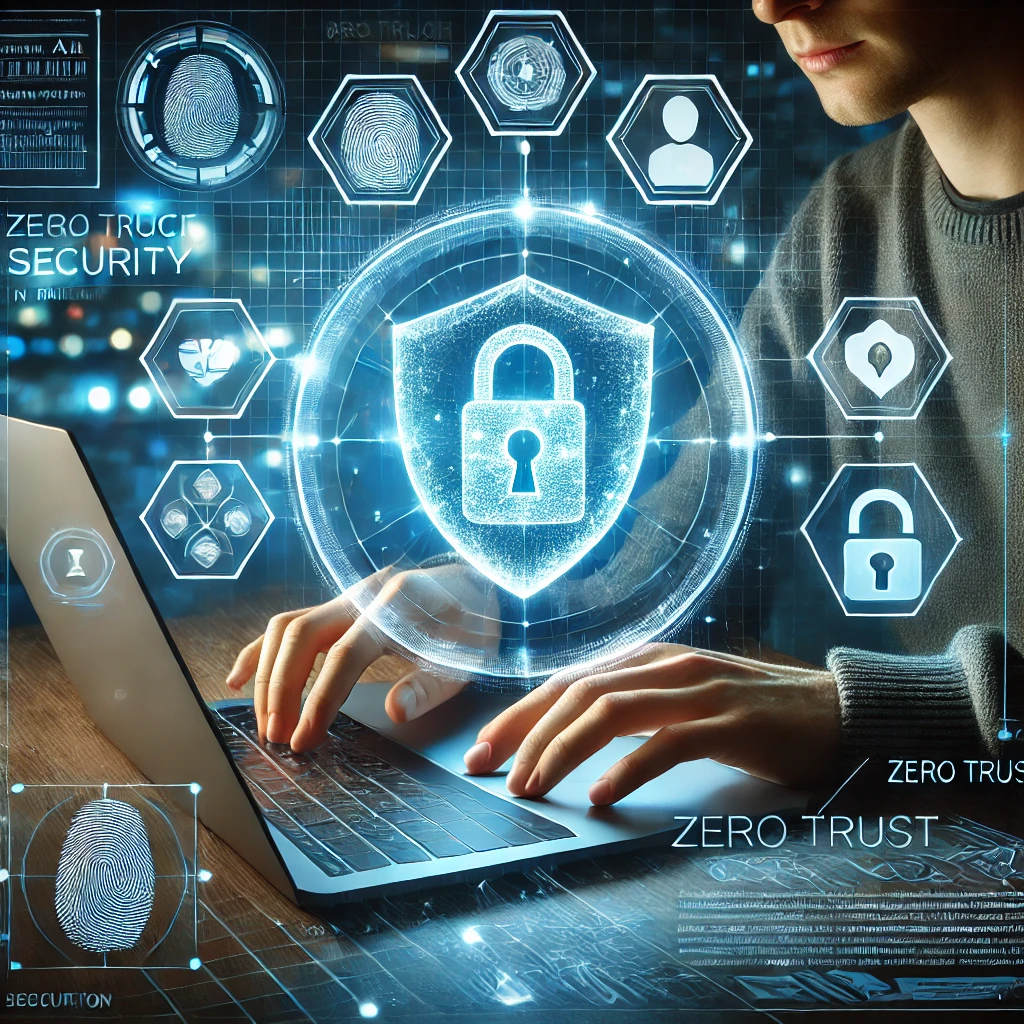
The Zero Trust model operates on a simple but powerful principle — trust no one by default, whether they are inside or outside your organisation. Every user, device, and connection must be verified before being granted access to any system or data.
This approach significantly reduces the risk of insider threats and limits the damage a hacker can do even if they manage to get past the first layer of defence. Instead of assuming that users within a network are safe, Zero Trust requires continuous verification at every step.
| Traditional Security | Zero Trust Security |
|---|---|
| Trusts users inside the network | Verifies every user regardless of location |
| Single perimeter defence | Multiple layers of verification |
| Higher risk from insider threats | Reduced risk at every access point |
Multi-Factor Authentication: Going Beyond Just Passwords
Passwords alone are no longer enough to keep accounts secure. Multi-Factor Authentication, commonly known as MFA, adds extra layers of verification before granting access. This could include a fingerprint scan, facial recognition, or a one-time code sent to your phone.
Even if a hacker manages to steal your password, MFA makes it extremely difficult for them to get into your account without the additional verification step. Enabling MFA on all important accounts — from email and banking to social media — is one of the simplest and most effective steps anyone can take to improve their digital security.
To stay protected in a world of growing cyber threats, consider these practical steps:
- Enable MFA on all critical accounts immediately
- Use services that offer quantum or end-to-end encryption
- Keep software and security tools updated regularly
- Adopt a Zero Trust approach for business networks
- Invest in real-time monitoring tools for your organisation
Cybersecurity is not just about having the latest technology. It is about making informed choices, staying alert, and putting the right protections in place before an attack happens. Whether you are an individual user or managing a business, these strategies offer a strong foundation for keeping your data safe in an increasingly connected world.
Frequently Asked Questions
The Zero Trust security model is a cybersecurity approach that requires every user, device, and connection to be verified before accessing any system or data, regardless of whether they are inside or outside the organisation's network. It operates on the principle of trusting no one by default.
Multi-Factor Authentication adds extra layers of verification beyond just a password, such as a fingerprint scan, facial recognition, or a one-time code. Even if a hacker steals your password, MFA makes it very difficult for them to access your account without the additional verification step.
AI-powered security systems can analyse large volumes of data quickly to detect unusual patterns and potential threats. They also learn from past incidents, which helps them become more accurate at predicting and preventing future attacks over time.