
Multimodal AI Explained: What It Is and How Generative Multimodal Content Works
Multimodal AI can understand and create text, images, audio, and video together. Learn how it works, which tools use it, and why it matters for SEO in 2025.

Multimodal AI can understand and create text, images, audio, and video together. Learn how it works, which tools use it, and why it matters for SEO in 2025.

Blue Eyes technology uses cameras, microphones, and sensors to help machines understand human emotions and gestures, transforming how we interact with computers across healthcare, gaming, and automotive sectors.

Embedded systems power everything from cars and medical devices to smart homes and industrial machines. Here is a complete guide to how they work, where they are used, and what comes next.

OpenCV is a powerful open-source library for computer vision and image processing. Learn its key features, how to get started, and why it matters across industries.

Pixlr AI brings smart automation to photo editing with features like background removal, portrait retouching, and auto enhancements — available free and on paid plans.

Containers and Virtual Machines both help deploy software, but they work very differently. This guide breaks down the key differences and helps you choose the right tool.

MLOps, or Machine Learning Operations, is the process that keeps AI models accurate and reliable in production. Learn how it works and why it matters for scaling AI.
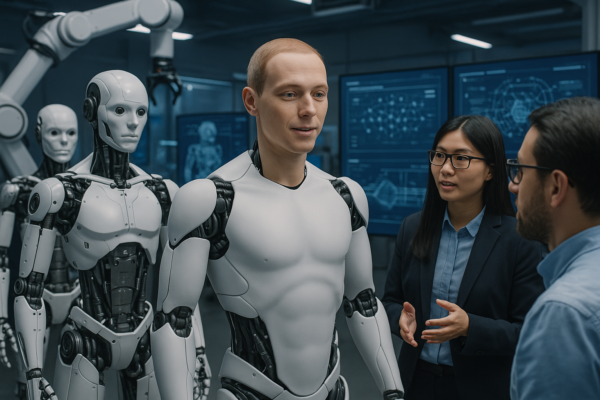
Humanoid robots have moved from science fiction to real-world use. Explore how they evolved, where AI has taken them, and how close we are to truly human-like machines.

Generative design is reshaping mechanical engineering by using AI algorithms to automatically generate hundreds of optimized design options, cutting costs and speeding up product development.
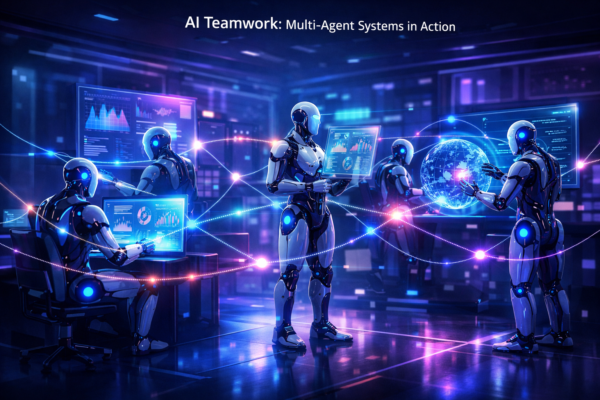
Multi-agent systems use multiple small AI programs working together like a team to handle complex tasks faster and smarter. Here is how they work and why they matter.