
Biomimicry in Robotics: How Nature Is Helping Engineers Build Smarter Machines
Engineers are borrowing millions of years of natural evolution to build smarter robots. From robot dogs to gecko wall-climbers, biomimicry is reshaping modern robotics.

Engineers are borrowing millions of years of natural evolution to build smarter robots. From robot dogs to gecko wall-climbers, biomimicry is reshaping modern robotics.

Smart clothing embeds tiny sensors directly into fabric to track heart rate, temperature, and movement. Here is how this wearable tech trend works and why it matters.
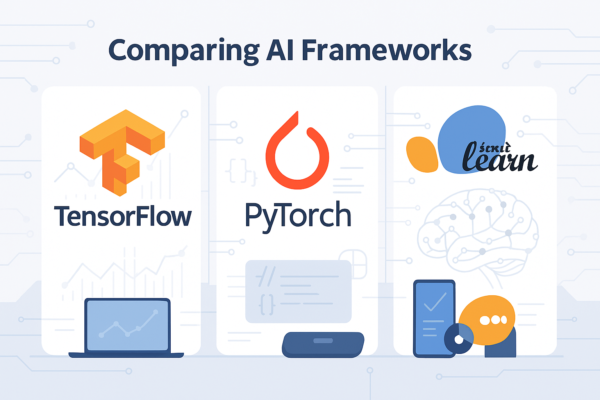
TensorFlow, PyTorch, and Scikit-Learn are the top machine learning frameworks used today. This guide breaks down their strengths, use cases, and which one suits you best.

AI-powered threat detection monitors digital systems around the clock, identifies suspicious activity, and stops cyberattacks before they cause damage. Here is how it works.

No-code programming interfaces are making cobot deployment faster and simpler. Businesses of all sizes can now automate tasks without coding expertise or robotics engineers.

Wearable technology has grown far beyond fitness tracking. From smart festival wristbands to workplace safety devices, discover how wearables are changing everyday life in 2025.

Bitcoin continues to lead the global crypto market thanks to its fixed supply, decentralised security, institutional backing, and unmatched global recognition among digital assets.

Generative models are changing how content is created by making the process faster, more personalised, and accessible to businesses and creators of all sizes.

Foldable phones 3.0 are stronger, smarter, and more practical than ever before. Here is a complete look at what has changed and whether the upgrade is worth it.

Self-healing software uses artificial intelligence to detect errors, find their root cause, and fix them automatically — keeping apps stable without human intervention.