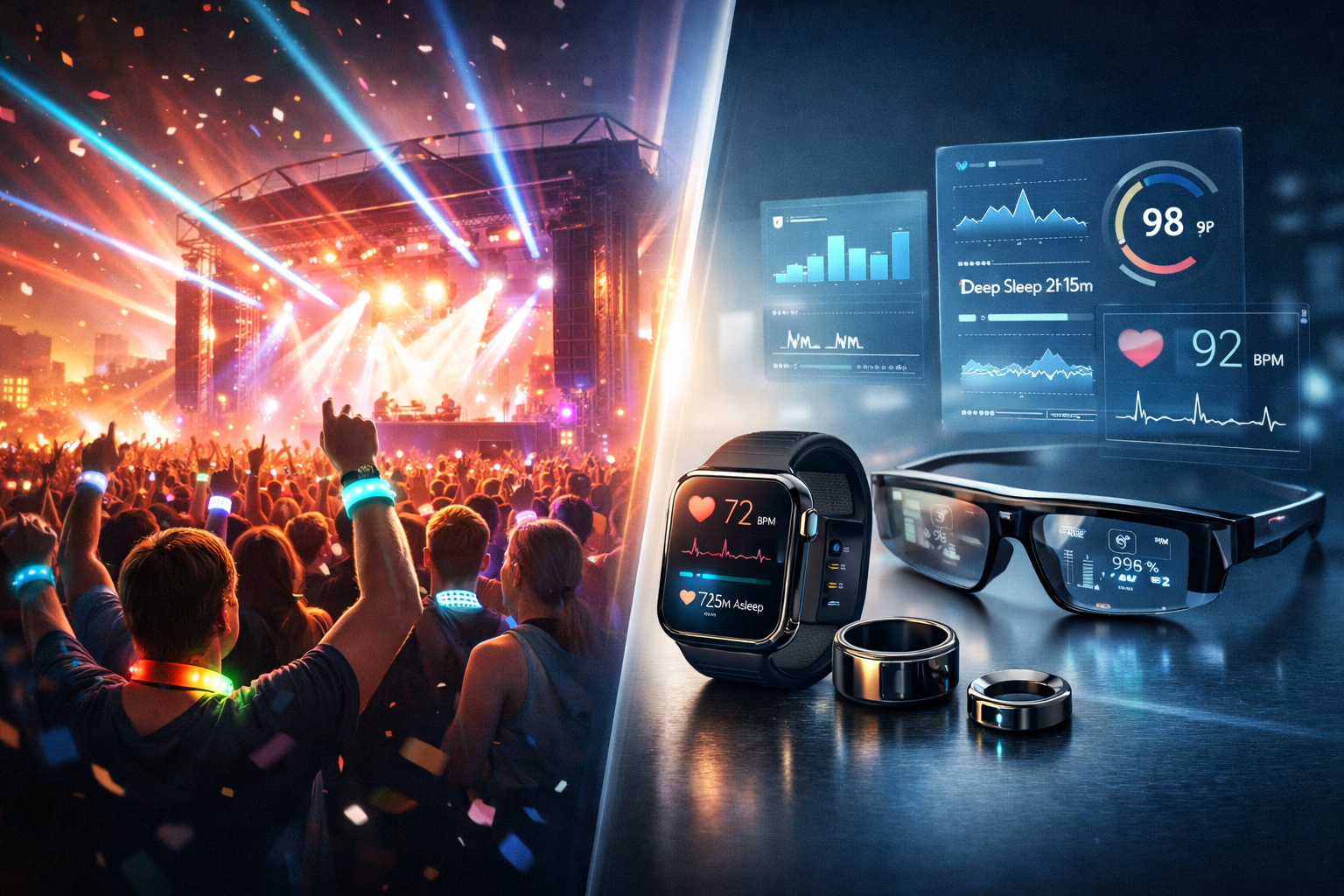
Wearable technology has come a long way from simply counting your daily steps. Today, smart devices worn on the wrist, finger, or face are helping people enjoy live events, monitor their health, stay productive at work, and stay connected throughout the day. The wearable tech space is expanding fast, and its impact is being felt across entertainment, healthcare, and professional environments.
What Are Wearable Devices?
Wearables are compact electronic devices designed to be worn on the body. They collect data, send alerts, and connect with other devices to make everyday tasks easier. Common types of wearables include:
- Smartwatches – for notifications, health tracking, and payments
- Fitness bands – for activity and sleep monitoring
- Smart rings – slim, stylish devices for health and connectivity
- Smart glasses – for augmented reality and hands-free communication
- Event wristbands – for concerts, festivals, and large gatherings
Each of these devices serves a unique purpose, and together they are reshaping how people interact with the world around them.
Smart Wristbands at Music Festivals and Live Events
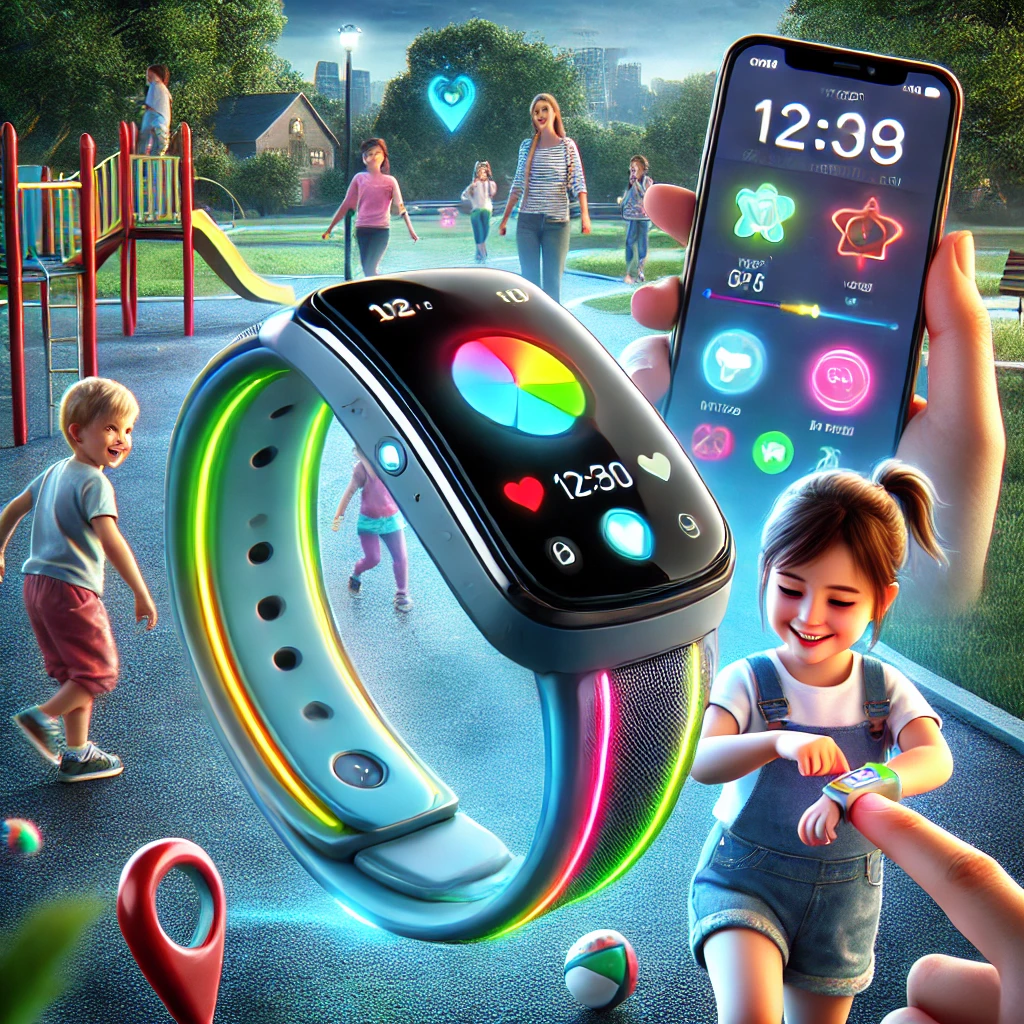
One of the most visible and exciting uses of wearable technology outside of fitness is at music festivals and live events. Event organizers are now distributing smart LED and RFID wristbands to attendees, turning the crowd into an active part of the show.
These smart wristbands can:
- Light up and change colors in sync with the music
- Create large-scale visual effects across thousands of people
- Enable cashless payments at food and merchandise stalls
- Serve as digital entry passes for security and access control
This technology has been used at major global concerts and festivals, creating immersive experiences that go well beyond what a ticket stub could ever offer. For event organizers, it also means better crowd management and reduced fraud.
Wearables for Everyday Convenience
Modern wearables are built for all-day use, not just gym sessions. Whether you are commuting, shopping, or working from home, these devices offer features that make daily life more convenient.
Key everyday features include:
- Receiving and responding to calls and messages directly from the wrist
- Making contactless payments at stores and transit systems
- Getting turn-by-turn GPS navigation without pulling out a phone
- Controlling music, smart home devices, and appliances
- Accessing voice assistants for quick information or reminders
Smart rings, in particular, have gained popularity because they offer many of these features in a slim, comfortable form that looks like regular jewellery. Brands are focusing on making wearables that fit naturally into a person’s lifestyle without being bulky or intrusive.
Health Monitoring That Goes Beyond Step Counting
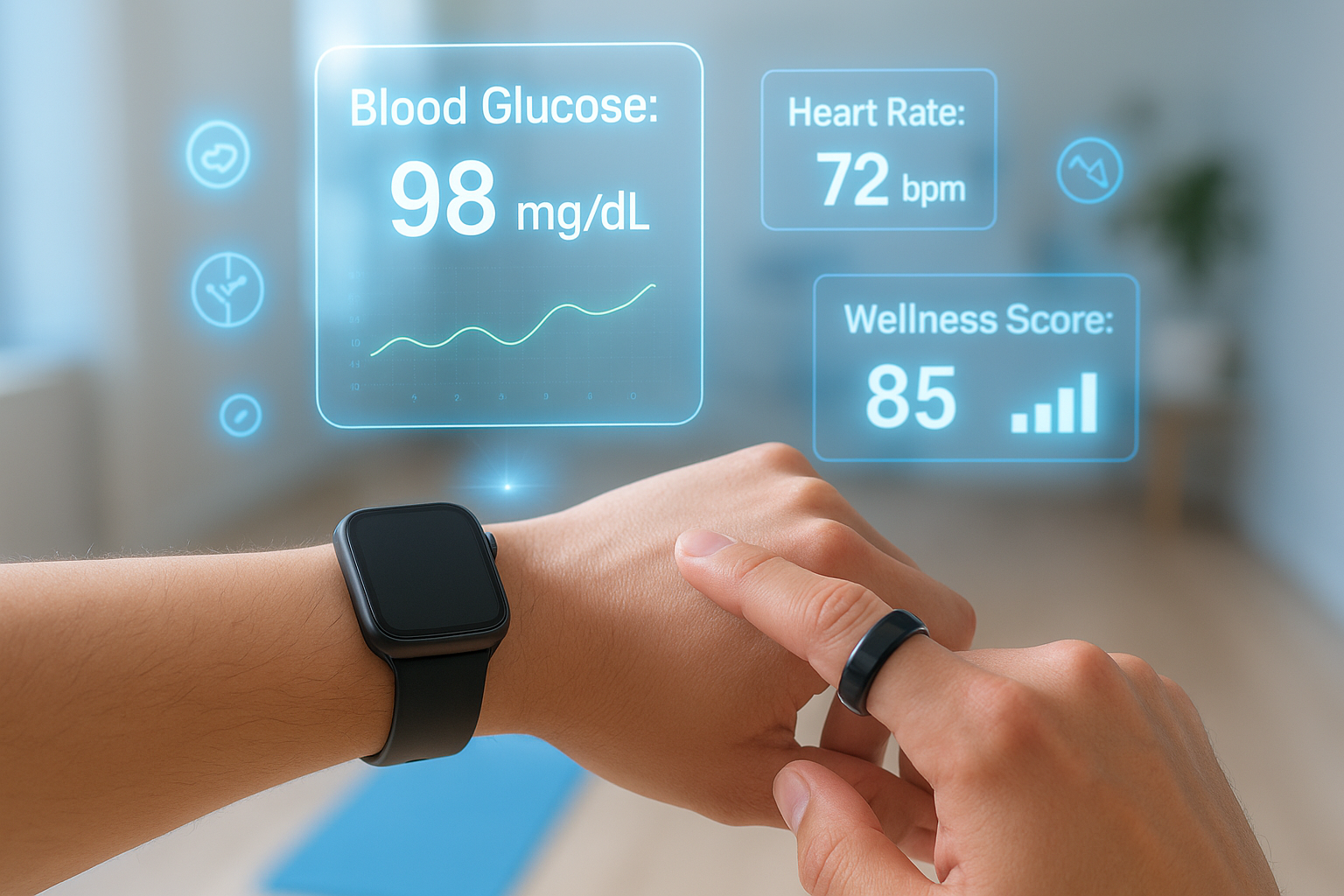
While fitness tracking started the wearable revolution, today’s devices are capable of much more detailed health and wellness monitoring. This shift is making wearables genuinely useful for people managing chronic conditions or simply trying to stay healthier.
Advanced health features now available on wearables include:
- Sleep quality tracking – monitoring sleep stages, disturbances, and recovery
- Heart rate and blood oxygen monitoring – continuous tracking throughout the day
- Stress detection – using heart rate variability to identify stress levels
- Early warning signs – detecting irregular heart rhythms or unusual patterns that may need medical attention
| Health Feature | What It Tracks | Benefit |
|---|---|---|
| Sleep Monitoring | Sleep stages and quality | Helps improve rest and recovery |
| Heart Rate Tracking | Continuous heart rate data | Detects irregularities early |
| Blood Oxygen (SpO2) | Oxygen saturation levels | Useful for respiratory health |
| Stress Detection | Heart rate variability | Encourages mindfulness and rest |
These features help users take a more proactive approach to their health, catching potential issues before they become serious problems.
Wearables in the Workplace and Industrial Settings
Businesses across industries are adopting wearable technology to improve worker safety, productivity, and communication. From corporate offices to factory floors, wearables are proving their value in professional environments.
Common workplace applications include:
- Smart badges for secure office access and attendance tracking
- Safety wearables that monitor fatigue or detect falls in high-risk environments
- Augmented reality (AR) glasses for hands-free training, remote assistance, and equipment maintenance
- Hands-free communication tools for teams working in loud or hazardous areas
In industries like construction, manufacturing, and logistics, wearables are reducing workplace accidents and helping supervisors monitor team wellbeing in real time. In offices, smart devices help employees stay focused and manage their time better.
How Intelligent Software Is Making Wearables Smarter
The hardware in wearables is only part of the story. The software and data intelligence built into these devices is what makes them truly powerful. Modern wearables use advanced algorithms to analyze the data they collect and turn it into useful, personalized insights.
These intelligent features allow wearables to:
- Analyze patterns in health, activity, and sleep over time
- Offer personalized suggestions based on individual data
- Improve accuracy and recommendations the longer they are used
- Send timely alerts when something unusual is detected
This means a wearable device gets more useful the more you wear it, learning your habits and helping you make better decisions about your health and daily routine.
As wearables become smarter, they are shifting from passive tracking tools to active personal assistants that support better living.
From glowing wristbands lighting up a festival crowd to health monitors that could one day save a life, wearable technology has grown into something far more significant than a fitness accessory. As devices become more capable, affordable, and stylish, they will continue to find new roles in entertainment, healthcare, work, and everyday life. The wearable of tomorrow is not just something you wear — it is something that works for you, around the clock.
Frequently Asked Questions
Modern wearables are used for health monitoring, cashless payments, GPS navigation, workplace safety, event access, hands-free communication, and entertainment experiences like interactive festival wristbands.
Smart LED and RFID wristbands at festivals can light up in sync with music, change colors during performances, allow cashless payments, and serve as digital entry passes for security and crowd management.
Yes. Advanced wearables can track sleep quality, heart rate, blood oxygen levels, stress, and even detect early signs of health issues like irregular heart rhythms, helping users take proactive care of their health.