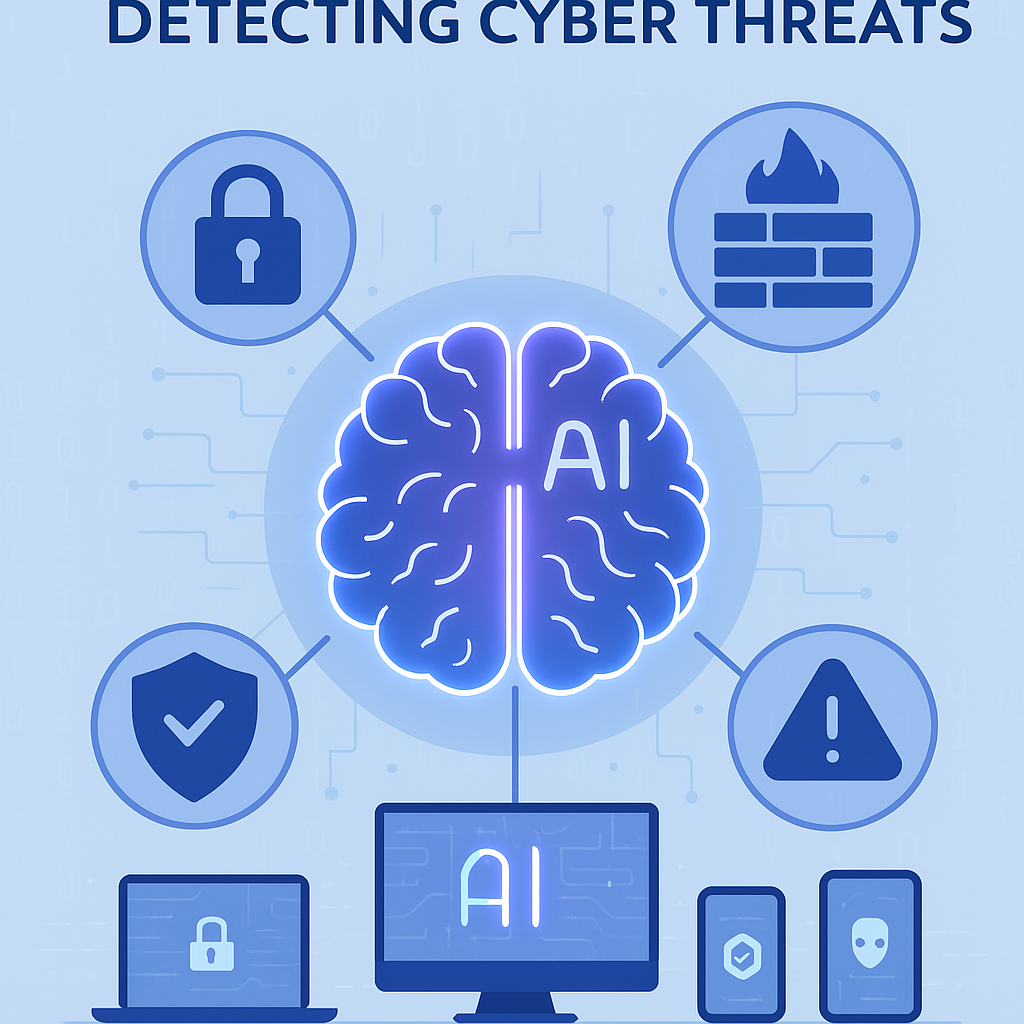
Cyberattacks are growing faster and smarter every year. Businesses and individuals need protection that never sleeps. AI-powered threat detection does exactly that — it monitors digital systems around the clock, identifies suspicious activity, and stops threats before they cause real damage. Here is a clear breakdown of how it works and why it matters.
What Is AI-Powered Threat Detection?
AI-powered threat detection is a cybersecurity approach that uses machine learning and data analysis to identify and respond to digital threats automatically. Unlike traditional security tools that rely on fixed rules, AI systems learn from patterns and adapt over time.
Think of it as a highly trained digital security guard that never takes a break, never loses focus, and gets sharper with every shift. It watches over networks, user activity, and file access in real time — flagging anything that looks out of place.
How AI Threat Detection Works Step by Step
Understanding the process helps explain why this technology is so effective. Here is how it operates:
- Data Collection: The system starts by gathering large volumes of data — login times, locations, file access history, and user behavior. This builds a clear picture of what normal activity looks like.
- Pattern Recognition: Once the AI understands normal behavior, it watches for anything that breaks the pattern. An unauthorized user trying to access restricted files, for example, would immediately trigger an alert.
- Continuous Monitoring: AI runs 24 hours a day, 7 days a week. This non-stop surveillance means threats are caught the moment they appear — not hours or days later when damage may already be done.
- Threat Assessment: When a potential threat is detected, the system assigns it a risk score. High-risk threats get flagged for immediate attention, helping security teams prioritize the most critical issues first.
- Automated Response: In many cases, the AI can act on its own — locking a compromised account, isolating a device, or blocking harmful software — without waiting for a human to step in. This dramatically reduces response time.
Key Benefits of Using AI in Cybersecurity
AI brings several clear advantages to digital security that traditional methods simply cannot match:
- Speed: Threats are detected and flagged almost instantly, giving teams the ability to act before damage spreads.
- Scale: AI can process enormous amounts of data simultaneously — far beyond what any human team could handle manually.
- Continuous Learning: The more the system operates, the smarter it becomes. It adapts to new attack methods over time.
- Reduced Human Error: AI does not get tired, distracted, or overwhelmed. This makes it more consistent and reliable than manual monitoring alone.
| Feature | Traditional Security | AI-Powered Security |
|---|---|---|
| Monitoring Hours | Limited to working hours | 24/7 continuous |
| Response Time | Hours to days | Seconds to minutes |
| Data Processing | Limited capacity | Handles massive datasets |
| Learning Ability | Static rules | Adapts and improves over time |
Challenges and Limitations to Be Aware Of
While AI-powered threat detection is powerful, it is not without its challenges. Organizations considering this technology should keep the following in mind:
- False Positives: AI can sometimes flag harmless activity as a threat. Too many false alerts can overwhelm security teams and cause alert fatigue.
- High Setup Costs: Implementing these systems requires significant investment in software, infrastructure, and skilled personnel.
- Data Quality Matters: The system is only as good as the data it learns from. Incomplete or flawed training data can lead to poor detection accuracy.
What the Future Holds for AI in Cybersecurity
As cybercriminals develop more sophisticated attack methods, AI-based security tools will need to keep pace. The next generation of threat detection systems is expected to be faster, more accurate, and capable of predicting attacks before they are even launched.
For businesses of all sizes — from large enterprises to small startups — investing in AI-driven cybersecurity is becoming less of an option and more of a necessity. Individuals, too, will benefit as these tools become more accessible and affordable over time.
In short, AI-powered threat detection is not just a technical upgrade. It is a fundamental shift in how we protect digital systems against an increasingly dangerous online world. Organizations that adopt it early will be far better positioned to defend against the threats of tomorrow.
Frequently Asked Questions
AI-powered threat detection is a cybersecurity method that uses machine learning and data analysis to automatically identify and respond to digital threats. It monitors user behavior, network activity, and file access in real time to spot anything unusual and act before damage occurs.
Yes. Many AI-based security systems can take automated actions such as locking compromised accounts, isolating infected devices, or blocking harmful software without waiting for human intervention. This significantly reduces the time it takes to contain a threat.
The main limitations include false positives where harmless activity is flagged as a threat, high implementation costs, and dependence on quality training data. If the system learns from incomplete or inaccurate data, its detection accuracy can be affected.