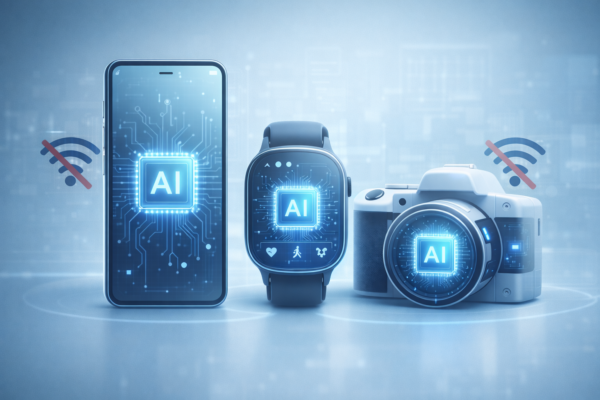
Offline AI Gadgets That Work Without Internet: What You Need to Know
Offline AI gadgets process data directly on the device without needing Wi-Fi or mobile data. Learn how they work, why they matter, and which devices already use this technology.

Offline AI gadgets process data directly on the device without needing Wi-Fi or mobile data. Learn how they work, why they matter, and which devices already use this technology.

Full automation sounds ideal but often fails in real-world situations. Human-in-the-Loop software combines human judgment with machine speed to create safer, more reliable systems.

Blockchain interoperability allows separate networks like Ethereum, Polkadot, and Cosmos to share data and assets. Here is how it works and why it matters for DeFi, supply chains, and beyond.

Swarm robotics uses groups of simple robots that work together like ants or birds in nature. Discover how this technology works, where it is used, and what challenges remain.

Federated learning trains AI models directly on user devices without sending personal data to any server. Discover how it works and its impact on healthcare, banking, and smartphones.

The Model Context Protocol (MCP) is a new standard that allows different AI tools and platforms to communicate and share data easily, saving developers time and reducing costs.

Crypto adoption is growing, but poor UX keeps many users away. Here is how better wallet design, simpler onboarding, and smart tools are changing that for everyday users.

Factories are getting smarter with IIoT, Edge Computing, and Digital Twins. Learn how these three technologies are reshaping industrial automation and manufacturing in 2025.

Rugged wearables are built for outdoor adventures — offering tough designs, multi-day battery life, GPS navigation, and safety features for hikers, climbers, and explorers.

Smart contracts are self-executing digital agreements built on blockchain that remove the need for middlemen. Learn how they work, where they are used, and what challenges remain.