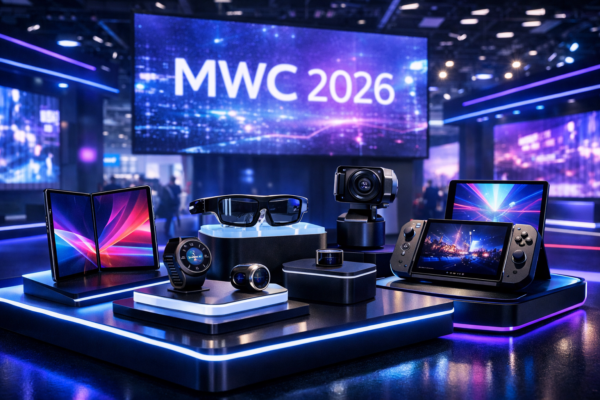
MWC 2026: The Most Innovative Gadgets That Stole the Show
MWC 2026 showcased the future of consumer technology with foldable phones, AI-powered gadgets, smart wearables, advanced cameras, and hybrid tablets that redefine everyday use.

MWC 2026 showcased the future of consumer technology with foldable phones, AI-powered gadgets, smart wearables, advanced cameras, and hybrid tablets that redefine everyday use.
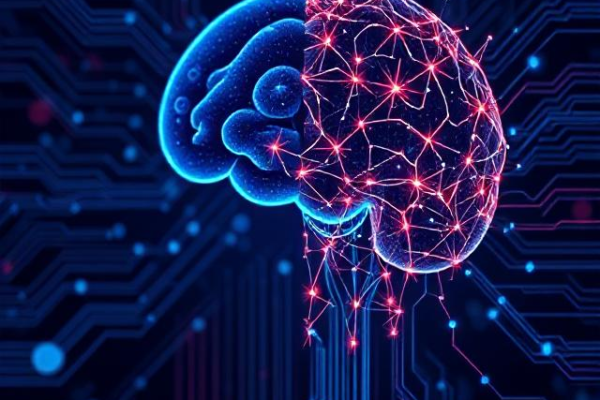
Machine learning and deep learning are both subsets of AI but work differently. This guide breaks down their key differences, use cases, and when to choose each for your project.
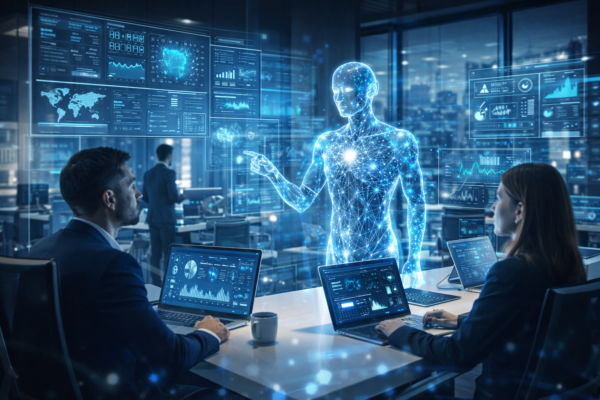
By 2026, AI agents are no longer just chatbots — they are autonomous digital workers capable of planning, reasoning, and executing complex business tasks with minimal human input.
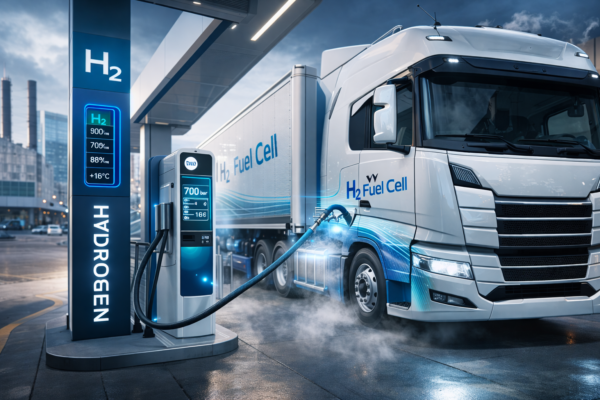
Hydrogen-powered infrastructure is reshaping how engineers design power grids, transport networks, and heavy industry as the world races toward net-zero emissions targets.

Multi-Agent AI is changing how businesses automate operations. Multiple AI agents work together to handle complex workflows faster, smarter, and with greater reliability than traditional systems.

AI and robotics are transforming jobs across industries. Here is how workers, businesses, and governments can prepare the workforce for an automated economy.

Account abstraction is changing how crypto wallets work by replacing risky seed phrases with smarter, safer login and recovery options through smart contract-powered wallets.
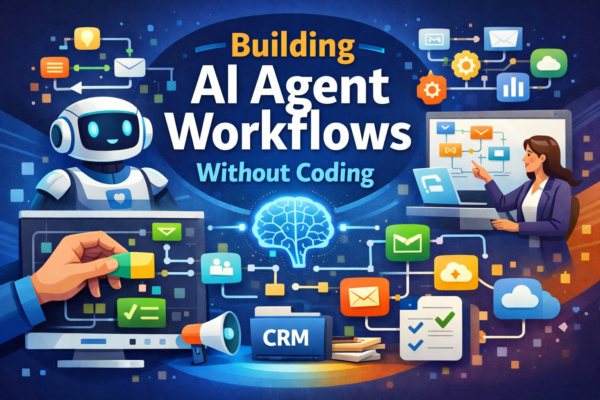
No-code AI tools now let anyone build powerful AI agent workflows without writing code. Learn how to automate tasks, connect apps, and grow your business using simple visual platforms.
Machine unlearning allows AI systems to selectively forget specific user data without retraining the entire model. Here is how it works and why it matters for data privacy.
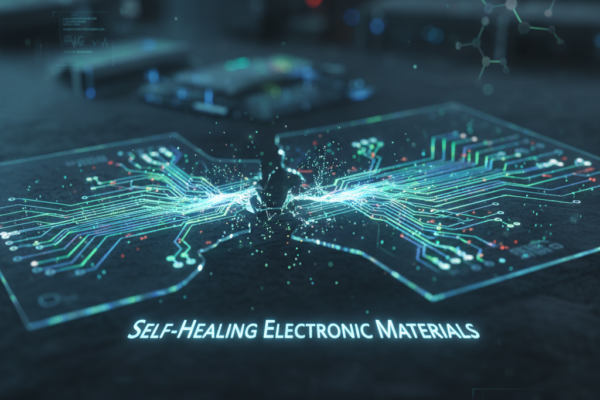
Self-healing electronic materials can repair themselves after damage without human intervention. Learn how they work and where they are being used across industries.