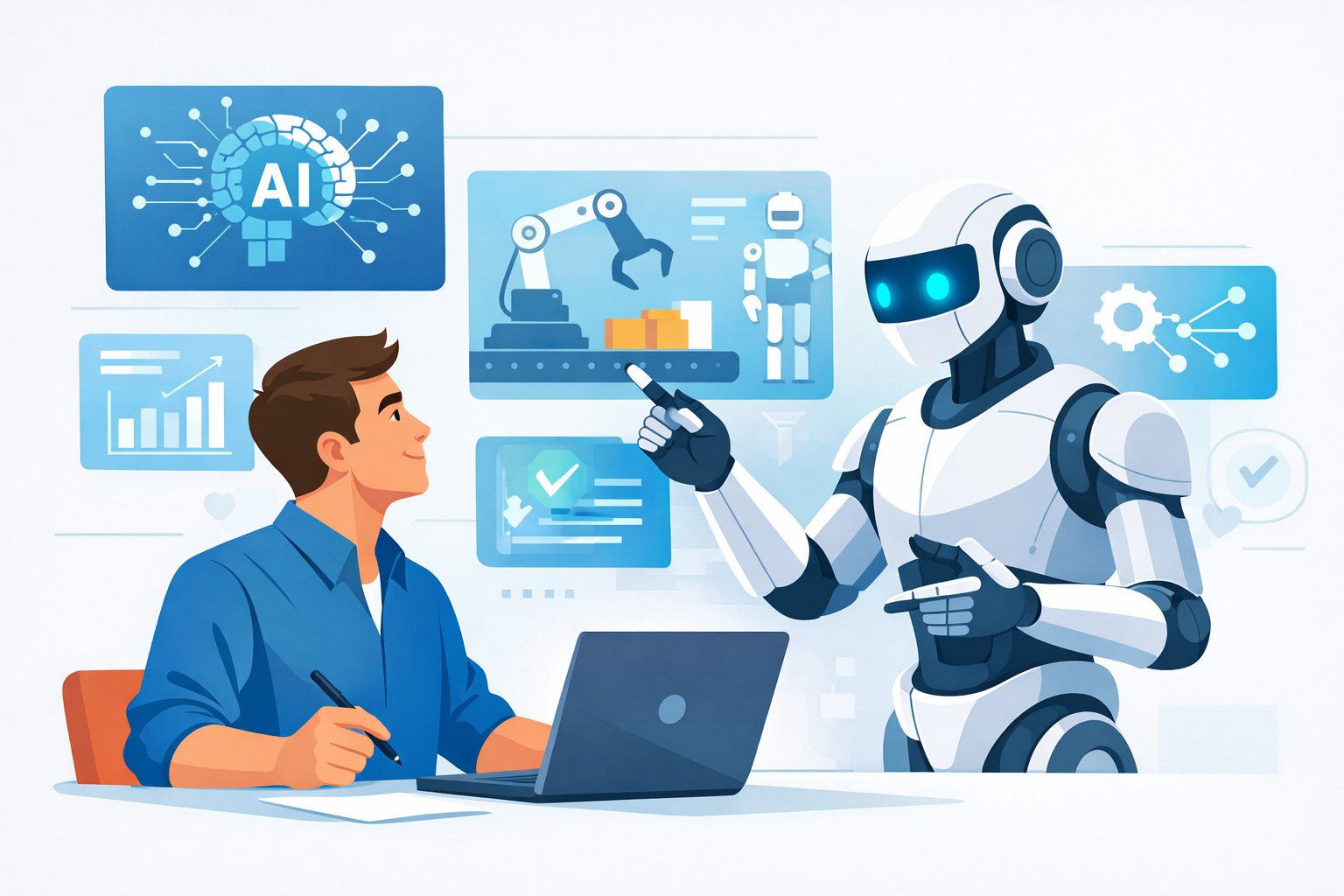
Artificial intelligence and robotics are reshaping the way people work across industries worldwide. From manufacturing floors to corporate offices, machines now handle tasks that once required human effort alone. The real challenge is not the technology itself — it is making sure workers are ready to grow with it rather than be displaced by it.
What Is an AI-Robotics Economy?
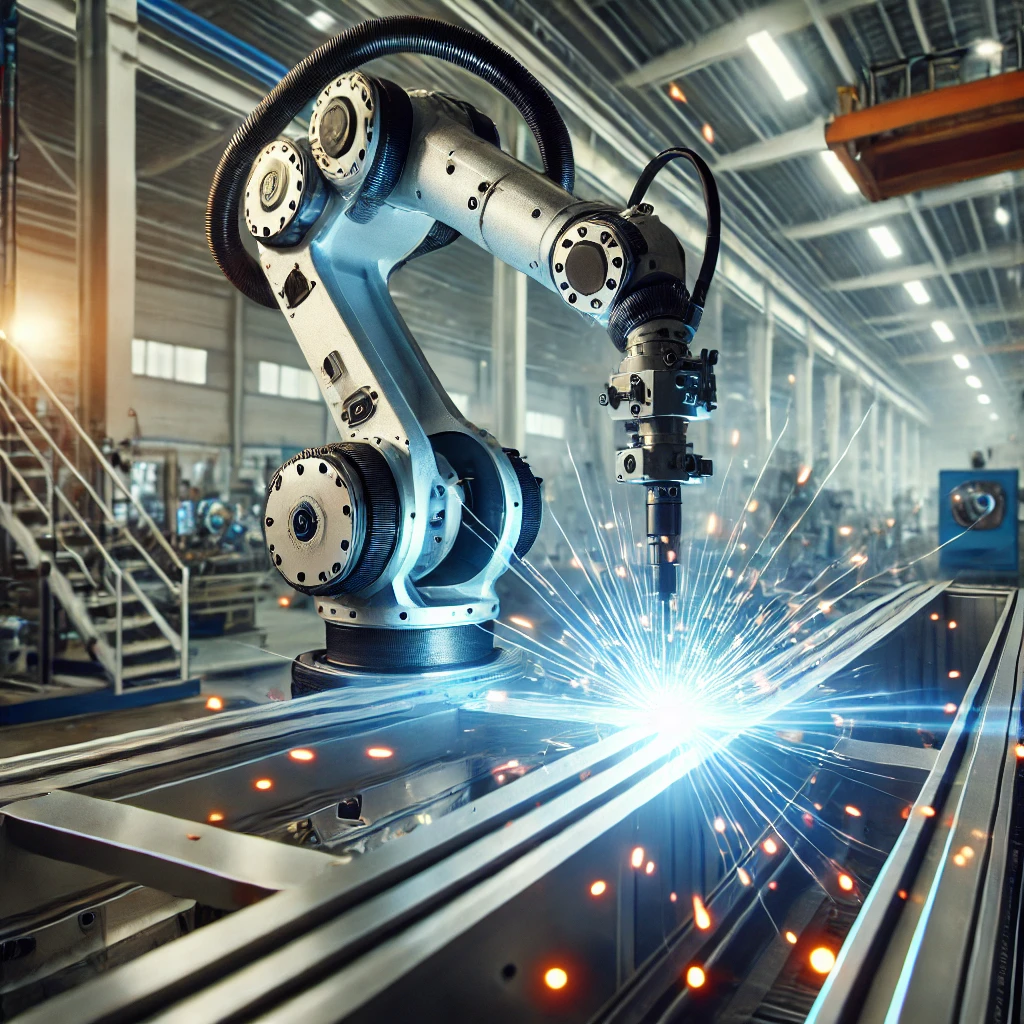
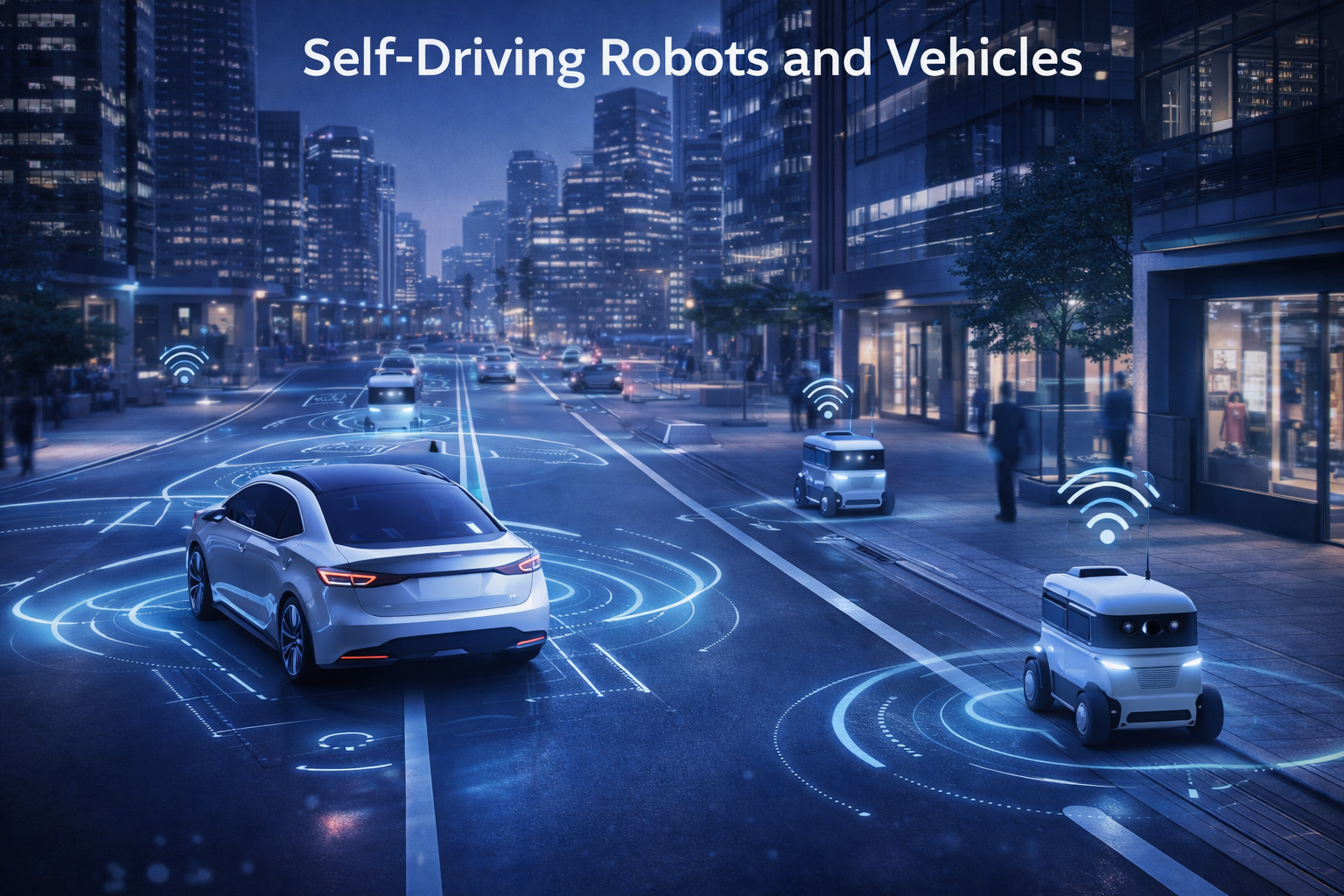
An AI-robotics economy is one where businesses use artificial intelligence and automated machines to work faster, reduce errors, and handle large volumes of work. Robots manage repetitive, physically demanding, or dangerous tasks. AI systems process data, identify patterns, and support better decision-making.
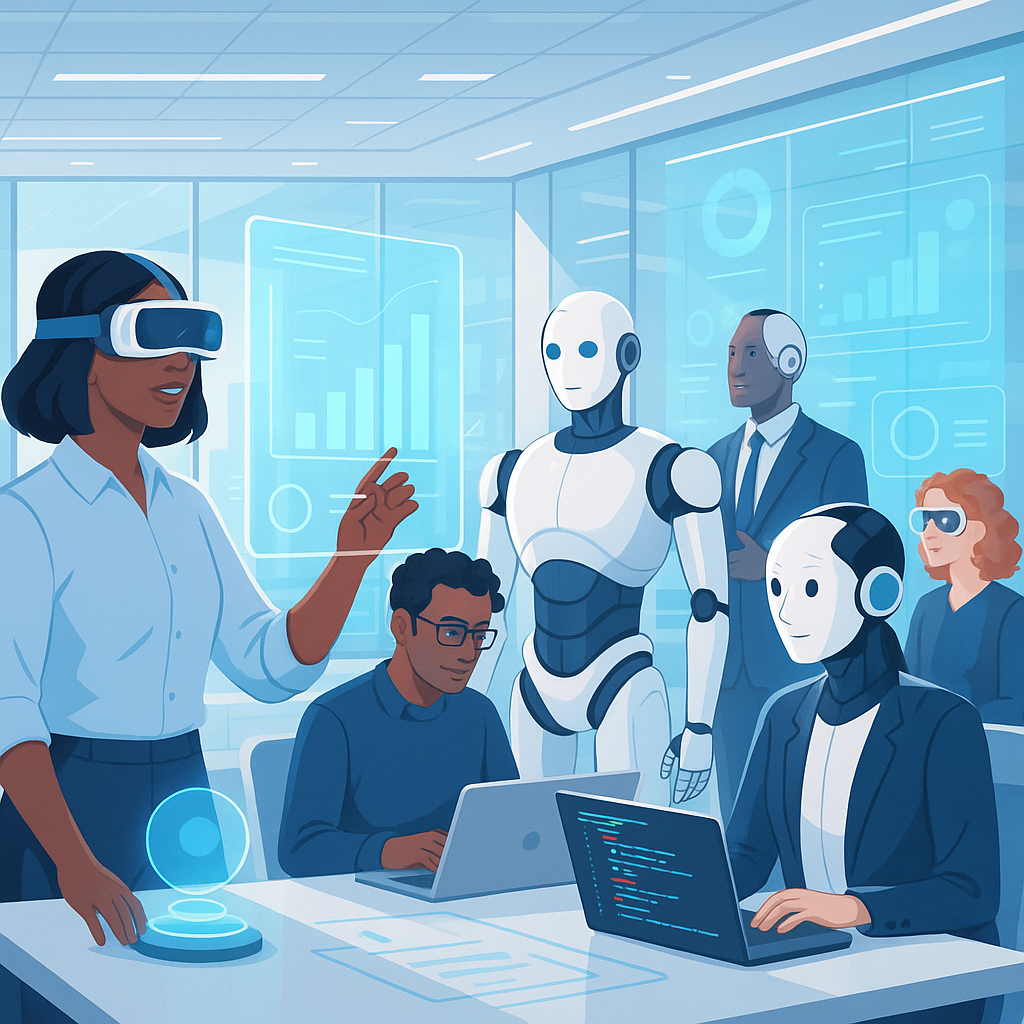
Humans remain central to this economy. People manage these systems, handle exceptions, build relationships, and drive creative thinking. The shift is not about replacing workers entirely — it is about changing what workers do and how they do it. Many existing jobs are evolving, and entirely new roles are being created that did not exist a decade ago.
Why Workforce Preparation Cannot Be Ignored
When businesses adopt automation without preparing their employees, the results can be damaging. Workers may feel confused, anxious, or threatened by new tools they do not understand. Productivity can drop, and resistance to change can slow down the very growth companies are trying to achieve.
Proper workforce preparation changes this picture. When employees understand how technology supports their roles, they become more confident and productive. Prepared workers also contribute to safer workplaces, fewer operational errors, and stronger business performance over time.
- Reduces fear and resistance to automation
- Improves productivity and operational efficiency
- Builds employee confidence and job satisfaction
- Supports long-term business growth and competitiveness
Key Skills Workers Need in the AI and Robotics Era
The skills required in an AI-driven workplace go beyond technical knowledge. Workers need a combination of digital abilities and strong human qualities to thrive.
| Skill Type | Examples |
|---|---|
| Digital and Technology Skills | Understanding AI tools, reading automated system data, using digital platforms |
| Problem-Solving Skills | Critical thinking, troubleshooting systems, improving processes |
| Adaptability and Learning | Online courses, hands-on training, staying updated with new tools |
| Human and Social Skills | Communication, teamwork, creativity, leadership |
As machines take over routine tasks, human judgment, empathy, and creativity become more valuable — not less. Workers who combine technical awareness with strong interpersonal skills will be the most sought-after in this new economy.
How Companies and Employers Must Step Up
Businesses carry a significant responsibility in this transition. Companies that invest in employee training and development build more resilient teams and face far less internal resistance when introducing new technology.
Effective steps companies can take include:
- Launching structured upskilling and reskilling programs
- Creating a culture that encourages continuous learning
- Offering mentorship and support during technology transitions
- Partnering with training providers and educational institutions
- Communicating openly about how automation will affect roles
Businesses that treat workforce preparation as an investment rather than a cost are better positioned for long-term success in an automated economy.
The Role of Education and Government Policy
Workforce preparation cannot rest on companies alone. Schools, colleges, and vocational training institutes must update their curricula to include practical knowledge of AI, robotics, and data literacy. Students entering the job market should already have a foundational understanding of how these technologies work.
Governments play an equally important role. By funding national skill-development programs, creating industry-education partnerships, and setting policy frameworks that support workers during transitions, governments can ensure that the benefits of automation are shared broadly across society.
Countries that act early on workforce development will build stronger, more competitive economies. Those that delay risk widening the gap between workers who thrive in an automated world and those who are left behind.
What the Future of Work Actually Looks Like
The future is not a competition between humans and machines. It is a collaboration. Workers who stay curious, keep learning, and develop both technical and human skills will find more opportunities and greater job security than those who resist change.
The goal is a workforce that is innovative, adaptable, and capable of working alongside intelligent systems to solve real-world problems. Preparing workers today is the most practical investment any business, institution, or government can make for tomorrow.
The transition to an AI-robotics economy is already underway. The question is not whether it will happen — it is whether workers, companies, and policymakers are ready to meet it with preparation, not panic.
Frequently Asked Questions
AI and robotics are changing the nature of jobs rather than eliminating them entirely. Many routine tasks are being automated, but new roles are being created that require human judgment, creativity, and technical oversight. Workers who upskill and adapt are likely to find more opportunities, not fewer.
Workers need a mix of digital skills such as understanding AI tools and reading automated data, as well as human skills like critical thinking, communication, creativity, and adaptability. The ability to keep learning and stay updated with new technology is equally important.
Companies can invest in structured training and reskilling programs, create a culture of continuous learning, communicate openly about how automation will affect roles, and partner with educational institutions to keep their workforce updated with relevant skills.