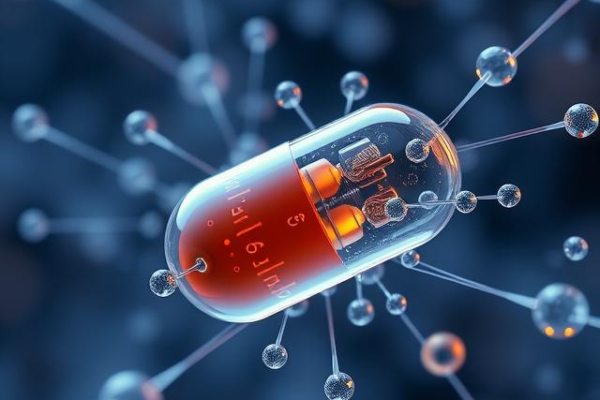
Nanobots in Medicine: How Tiny Robots Could Transform Healthcare Forever
Nanobots are microscopic robots that could detect diseases, deliver drugs to specific cells, remove blood clots, and treat cancer with minimal side effects.

Nanobots are microscopic robots that could detect diseases, deliver drugs to specific cells, remove blood clots, and treat cancer with minimal side effects.
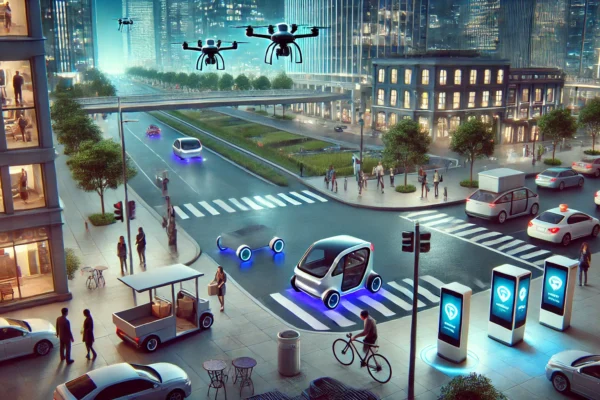
Autonomous robots are changing how cities move. From self-driving cars to delivery bots and driverless buses, explore the real impact on urban life and what comes next.
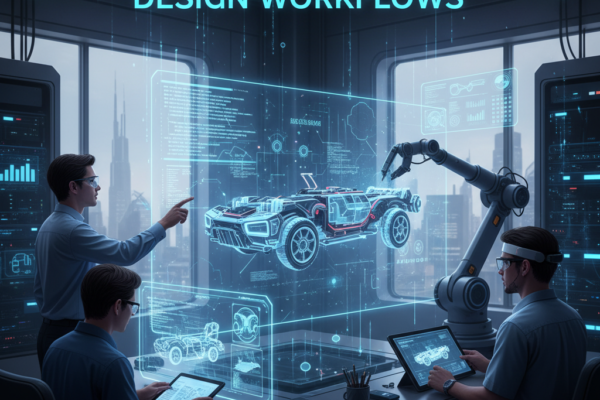
Generative AI is changing how engineers design products and structures. From aerospace to automotive, AI tools now generate, test, and optimise hundreds of design options in minutes.

Bitcoin is the world’s first cryptocurrency, launched in 2009 by Satoshi Nakamoto. Learn how it works, why people invest in it, and how to buy your first BTC safely.
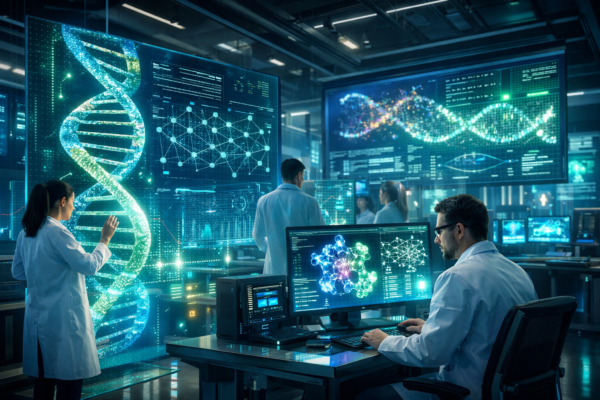
Bioinformatics and computational engineering are transforming science by combining biology with advanced computing to speed up research, improve healthcare, and drive drug discovery.
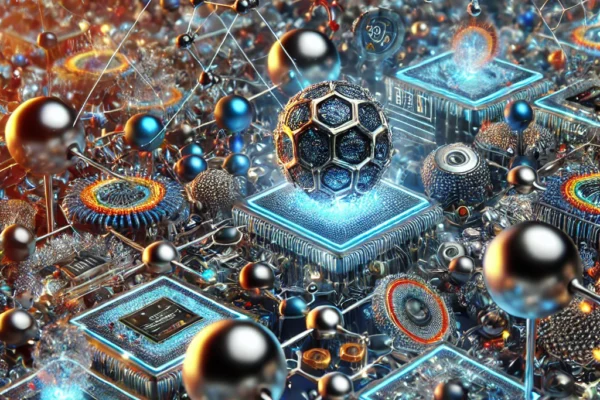
Nanoengineering builds materials and devices at 1 to 100 nanometers. Learn how nanomaterials are changing electronics, medicine, energy, aerospace, and environmental technology.

Modern robots are learning to see, think, and plan using artificial intelligence. Here is how AI vision and reasoning are changing robotics across industries in 2025.
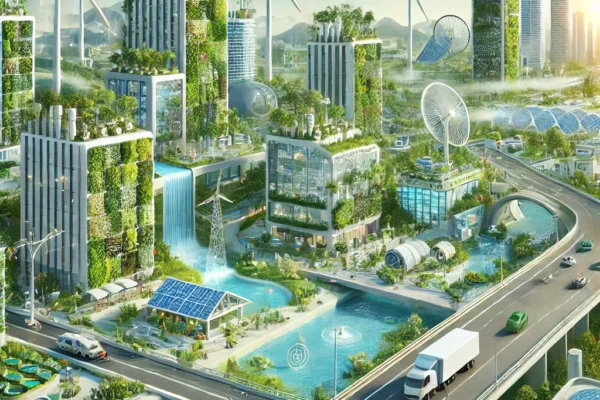
Engineers worldwide are developing practical solutions to combat climate change — from renewable energy systems and flood-resistant structures to smart cities and energy-efficient buildings.
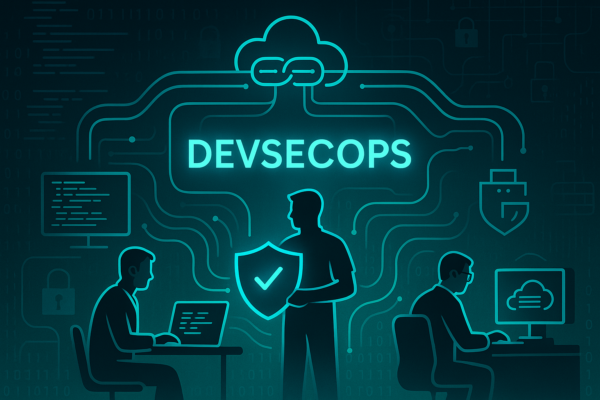
DevSecOps embeds security into every stage of software development. Learn how it works, which tools are used, and why it is becoming the industry standard by 2025.

Process mining and AI are helping businesses automate back-office tasks like invoicing, HR, and procurement — cutting costs, reducing errors, and boosting team productivity.