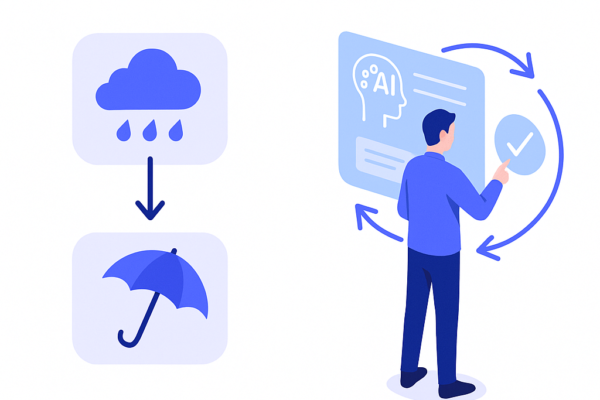
Causal AI and RHML Explained: How They Work and Why They Matter
Causal AI and RHML are two powerful concepts reshaping how AI systems think and learn. Find out what they mean, how they work, and why they matter for real-world decisions.

Causal AI and RHML are two powerful concepts reshaping how AI systems think and learn. Find out what they mean, how they work, and why they matter for real-world decisions.

Low-code and no-code platforms are changing how apps are built in 2025. Learn how these tools help businesses create apps faster, cut costs, and empower non-technical teams.
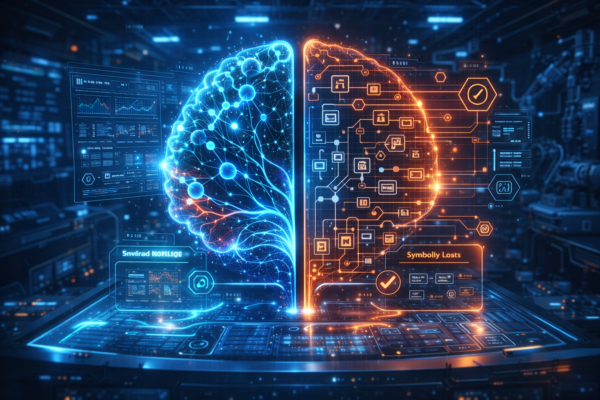
Neurosymbolic AI merges neural networks with symbolic reasoning to create smarter, more explainable systems. Here is how it works and where it is being used.
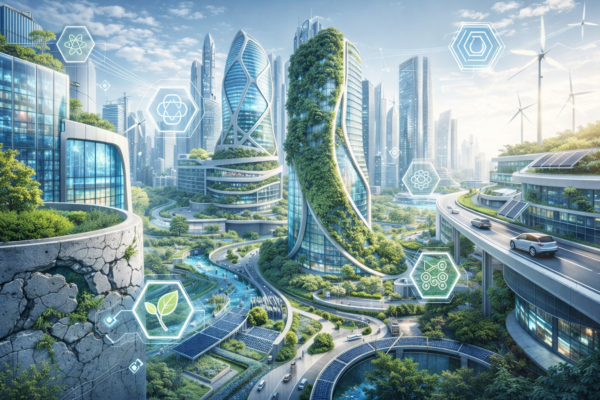
Smart materials and biodesign are reshaping engineering by combining nature-inspired design with intelligent, self-adapting materials for a more sustainable future.
From AI-powered coding tools to Web3, serverless computing, and zero-trust security, here are the biggest software development trends shaping 2025 for developers and businesses.
Serverless computing lets developers run apps on the cloud without managing servers. Learn how AWS Lambda, Google Cloud Functions, and Azure Functions are changing software development.

Artificial Intelligence has become the central support system of modern engineering — helping teams design smarter products, predict failures, automate complex tasks, and make better decisions faster.
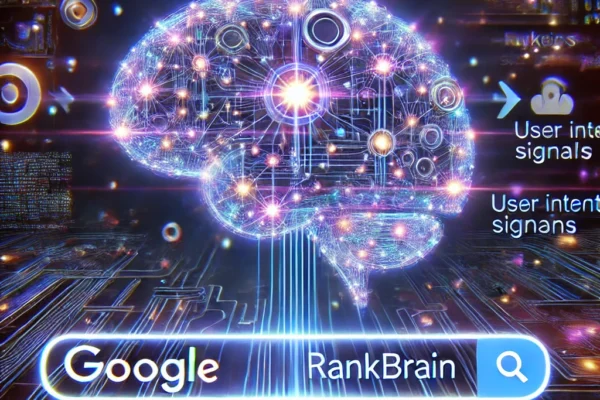
Google RankBrain is a machine learning system that interprets search intent to deliver better results. Here is how it works and what it means for your SEO strategy.

Underwater internet uses acoustic, light, and radio waves to enable real-time data sharing beneath the ocean. Discover its applications in marine research, disaster warning, and deep sea exploration.
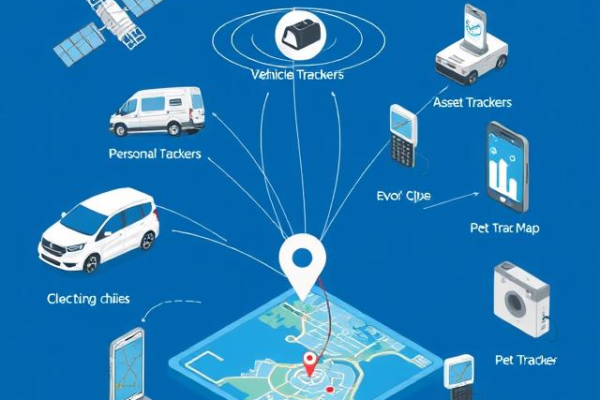
GPS tracking devices use satellite signals to provide real-time location data for vehicles, people, pets, and assets. Here is everything you need to know before buying one.