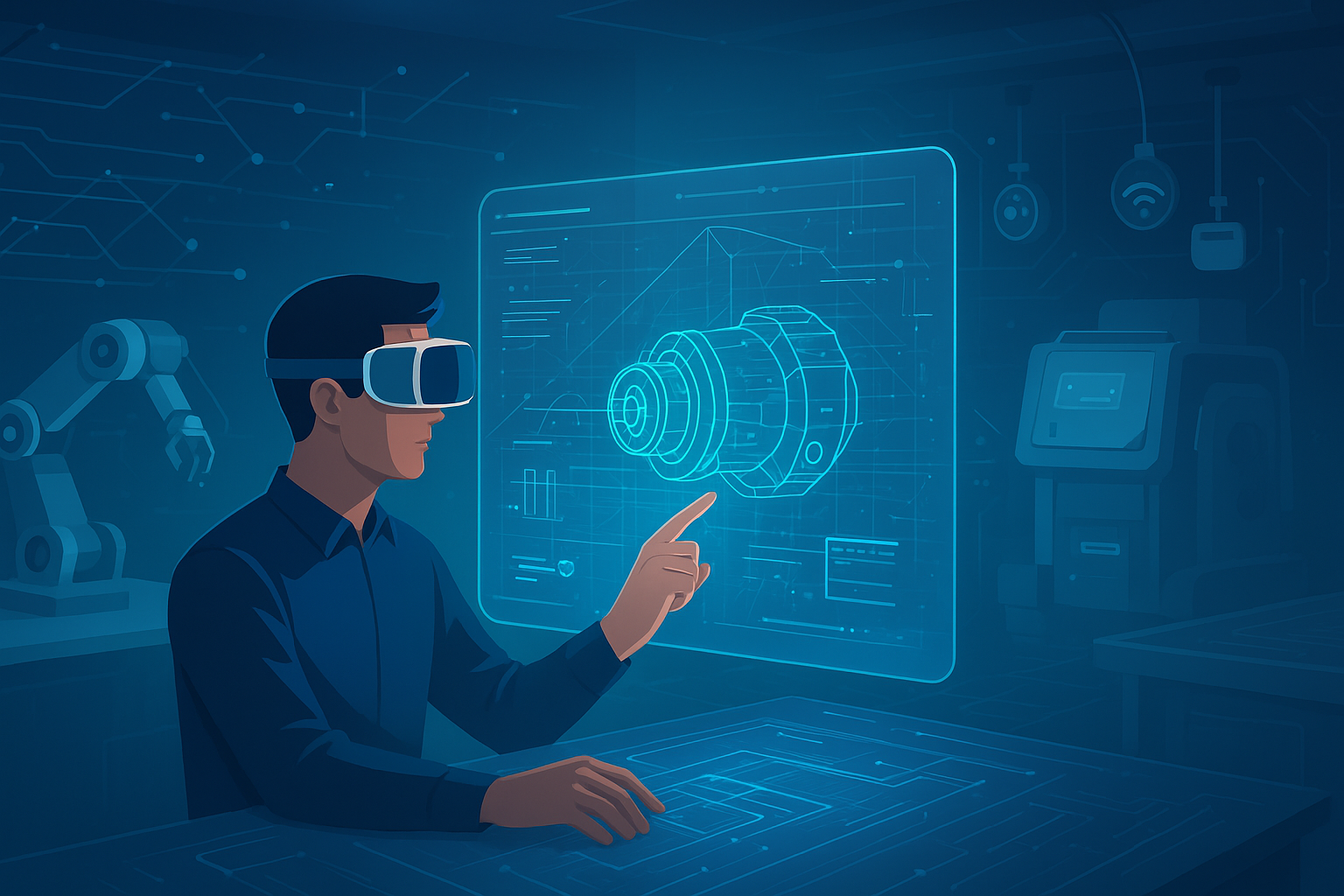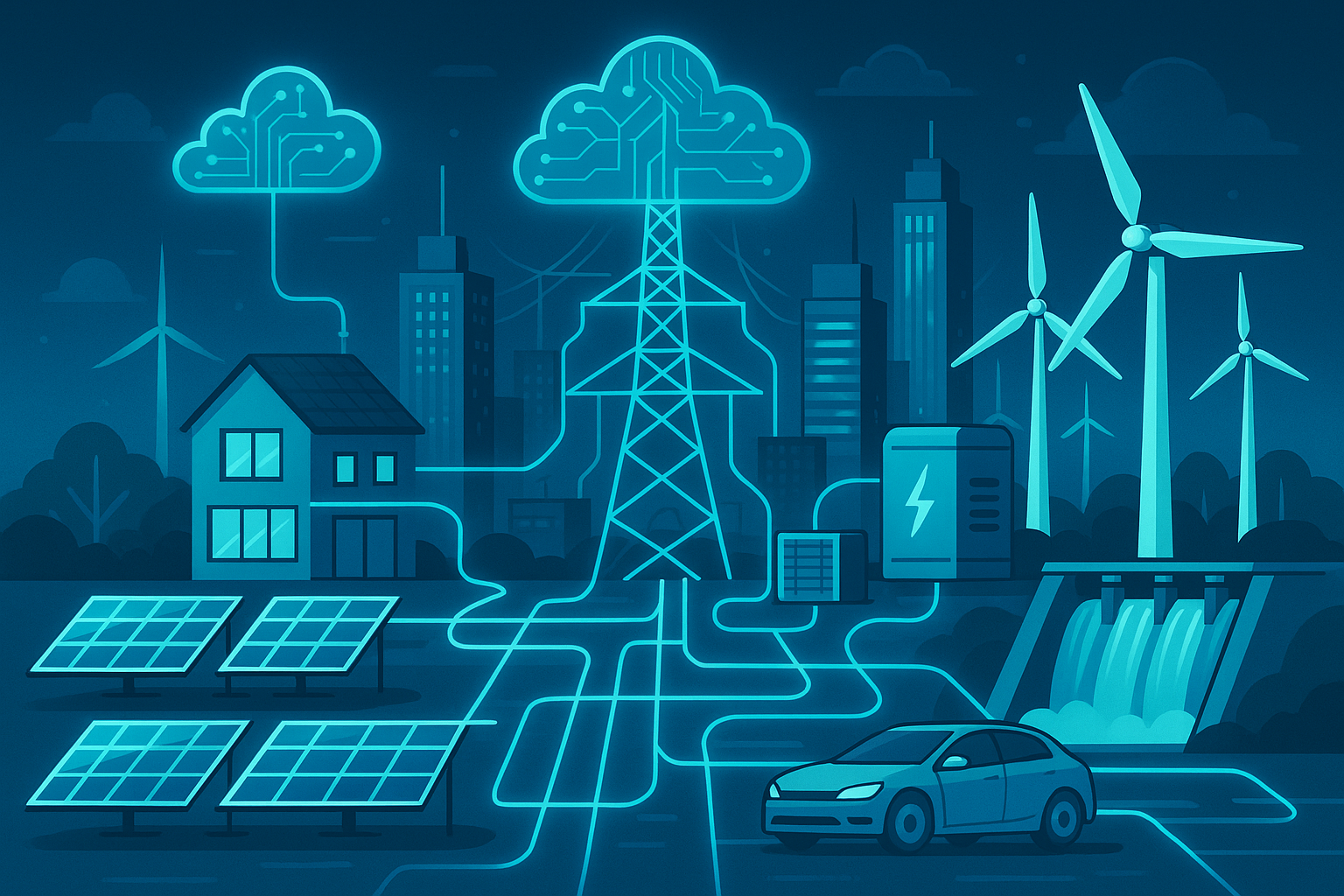

Artificial Intelligence is no longer just a technology trend — it has become a core part of how engineering works today. From smart factories to aerospace systems, AI is reshaping the way engineers design, build, maintain, and improve the world around us.
What It Means for AI to Be the Backbone of Engineering
When engineers say AI is the backbone of modern engineering, they mean it has become the central support system that keeps complex machines, factories, and projects running efficiently.
In earlier decades, engineers relied on manual processes and fixed computer programs. These systems could only do what they were programmed to do — nothing more. Today, AI-powered systems can learn from data, recognize patterns, make decisions, and improve on their own over time.
Think of AI as the brain behind modern technology. It processes information faster than any human team, spots problems before they grow serious, and helps engineers make smarter choices at every stage of a project.
Key Ways AI Is Transforming Engineering Practices
AI is being applied across nearly every engineering discipline. Here are the most impactful areas where it is making a real difference:
- Smart Data Analysis: Machines and sensors generate enormous volumes of data every single day. AI can process this data in seconds, identify patterns, detect early warning signs of failure, and suggest performance improvements — tasks that would take human analysts hours or even days.
- Design and Product Development: Engineers input requirements such as size, material type, weight limits, and strength needs. AI then generates and evaluates multiple design options, helping teams arrive at products that are stronger, lighter, and more cost-effective. This speeds up innovation and cuts down development time significantly.
- Predictive Maintenance: Instead of waiting for equipment to break down, AI monitors machine conditions continuously and flags warning signs early. This approach helps companies avoid sudden failures, lower repair costs, and extend the working life of expensive equipment. Industries like manufacturing, aviation, and power generation rely heavily on this capability.
- Intelligent Automation: Traditional automation follows rigid, pre-set rules. AI-based automation is different — it can adapt to new situations, handle unexpected changes, and carry out complex tasks without constant human supervision. Robots in modern factories, for example, can now adjust their actions based on real-time conditions.
- Better Decision-Making Through Simulation: AI allows engineers to run detailed simulations and test different scenarios before making real-world decisions. This reduces risk, improves planning accuracy, and helps teams avoid costly mistakes during construction, manufacturing, or system design.
Industries Using AI in Engineering Today
AI has found a place in nearly every branch of engineering. Here is a quick look at where it is being used most actively:
| Engineering Field | How AI Is Applied |
|---|---|
| Manufacturing | Smart factories, quality control, production optimization |
| Civil Engineering | Smart city planning, traffic management systems |
| Mechanical Engineering | Product design, predictive maintenance |
| Electrical Engineering | Smart energy grids, power distribution |
| Automotive and Aerospace | Autonomous systems, performance optimization |
Why AI Matters So Much for the Future of Engineering
Modern engineering demands systems that are fast, accurate, and flexible enough to handle changing conditions. AI delivers on all three fronts.
By reducing human error, cutting operational costs, and enabling faster innovation cycles, AI gives engineering teams a significant advantage. Companies that adopt AI-driven engineering practices are better positioned to compete, respond to market changes, and deliver higher-quality products and infrastructure.
AI also opens doors for engineers themselves. Rather than spending time on repetitive analysis or routine monitoring, engineers can focus on creative problem-solving, strategic planning, and high-value work that requires human judgment.
The shift is not about replacing engineers — it is about giving them better tools to do their jobs more effectively.
As AI technology continues to mature, its role in engineering will only grow deeper. From civil infrastructure to space exploration, the systems that shape our physical world are increasingly guided by intelligent algorithms working alongside human expertise.
Frequently Asked Questions
AI is used in modern engineering for smart data analysis, product design, predictive maintenance, intelligent automation, and simulation-based decision-making. It helps engineers work faster, reduce errors, and improve the performance of machines and systems.
Predictive maintenance is an AI-driven approach where sensors and algorithms continuously monitor equipment conditions to detect early signs of failure. This allows companies to fix problems before breakdowns occur, reducing repair costs and extending machine life.
AI benefits a wide range of engineering fields including manufacturing, civil engineering, mechanical engineering, electrical engineering, and the automotive and aerospace industries. Each field uses AI differently — from smart factories and energy grids to autonomous vehicles and structural design.