Neurotechnology and Brain-Computer Interfaces (BCIs) are no longer science fiction. From helping paralysed patients regain movement to letting people control devices with their thoughts, these technologies are quietly reshaping medicine, communication, and daily life. Here is a clear, practical look at what neurotechnology and BCIs actually are, how they work, and why they matter right now.
What Is Neurotechnology?
Neurotechnology refers to any technology that directly interacts with the human brain or nervous system. Its core purpose is to help us understand how the brain works — and in many cases, to repair or enhance its capabilities.
Neurotechnology broadly includes:
- Brainwave detection devices that read electrical signals from the brain
- Brain implants designed to restore movement or speech in patients
- Cognitive tools that help sharpen memory, focus, or mental clarity
A simple everyday example is a wearable headset that reads your brainwaves and sends you an alert when your stress levels rise. This kind of device is already available to consumers and is being used in workplaces and wellness programmes.
What Are Brain-Computer Interfaces (BCIs)?
A Brain-Computer Interface, or BCI, is a device that creates a direct communication link between the human brain and an external machine. The key idea is that you can control technology using your thoughts alone — no physical movement required.
BCIs fall into three main categories:
- Non-invasive BCIs: Worn on the outside of the head, similar to headphones. No surgery is needed. These are the most accessible and widely used type today.
- Invasive BCIs: Surgically implanted inside the brain. These are used for serious medical conditions where other options have failed.
- Semi-invasive BCIs: Placed inside the skull but not embedded deep into brain tissue. They offer a middle ground between safety and signal quality.
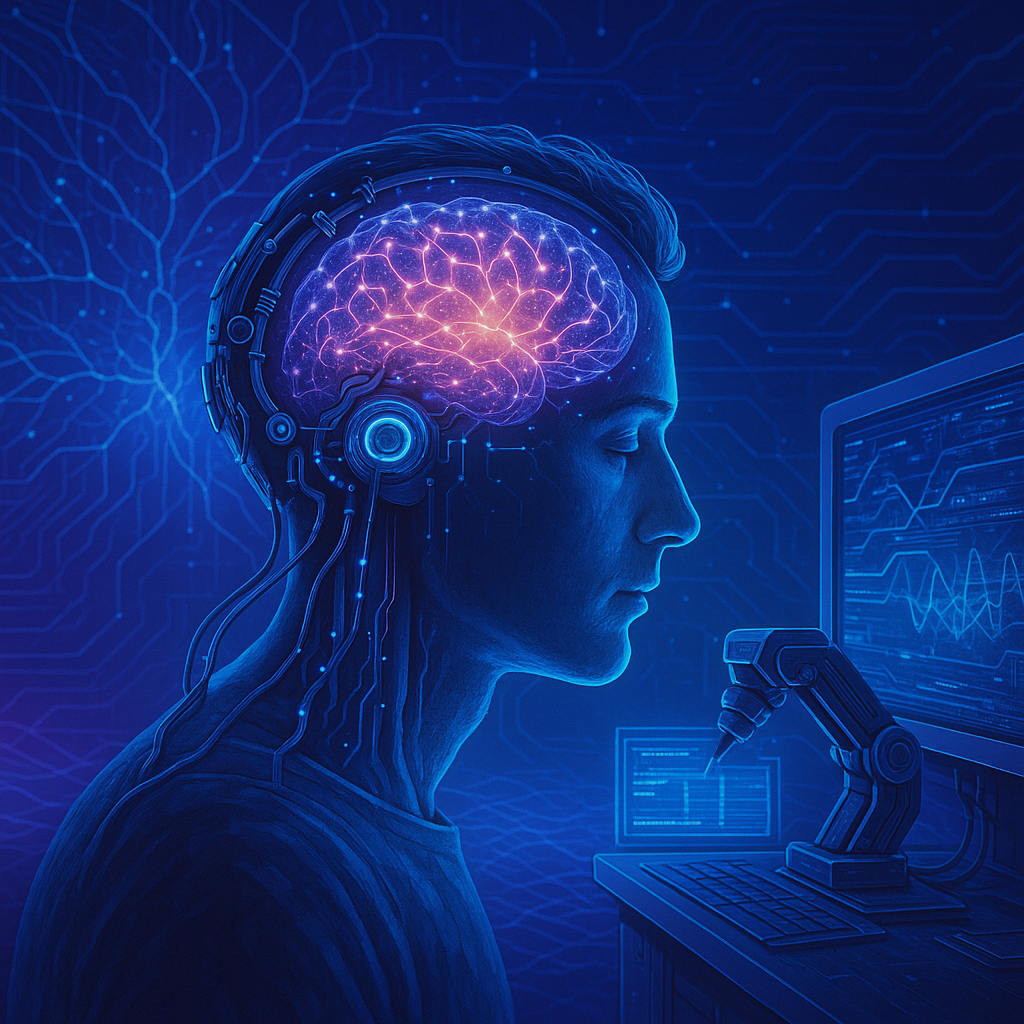
A well-known real-world example: people living with paralysis have successfully used invasive BCIs to control robotic arms simply by thinking about the movement they want to make.
How BCIs Are Already Helping People
BCIs are not just experimental lab tools. They are actively being used to improve lives in meaningful ways. Key applications include:
- Helping people with disabilities regain the ability to move or communicate
- Allowing patients to operate computers, smartphones, or assistive devices using only their thoughts
- Supporting doctors in identifying and monitoring mental health conditions like depression and anxiety through brain signal analysis
- Improving cognitive performance, including attention span and memory retention
Even the gaming industry has started exploring BCI technology. Some games now allow players to control on-screen action through thought alone, removing the need for a keyboard or controller entirely.
Why BCIs Matter More Than Ever in 2025
In 2025, BCI technology is advancing faster than at any previous point. Devices are becoming more powerful, more accurate, and more affordable. Several key developments are driving this momentum:
- Neuralink, the brain implant company founded by Elon Musk, is actively developing technology that aims to let people communicate, browse the internet, and control devices using only their thoughts.
- Scientists and technology startups are combining BCIs with artificial intelligence to make these systems faster and more responsive to complex brain signals.
- Hospitals around the world are increasingly adopting BCI solutions to support patients who have lost the ability to speak or move due to conditions like ALS, stroke, or spinal cord injuries.
The combination of better hardware, smarter software, and growing clinical acceptance means BCIs are moving from specialist medical settings into broader healthcare and consumer use.
Key Benefits of Brain-Computer Interface Technology
Here is a clear overview of what BCIs offer across different areas of life:
| Benefit | What It Means in Practice |
|---|---|
| Mobility for Disabled Individuals | People with paralysis can move robotic limbs or communicate without physical effort |
| Mental Health Monitoring | Brain signals can help detect anxiety, depression, or chronic stress early |
| Cognitive Enhancement | Tools that improve memory, focus, and attention in healthy users |
| Mind-Controlled Devices | Control apps, games, and machines using thought alone |
As this technology matures, its potential to support both medical patients and healthy individuals continues to grow. The ethical questions around privacy, consent, and data security will also need careful attention as BCIs become more widespread.
Neurotechnology and BCIs represent one of the most significant areas of scientific progress happening right now. Whether the goal is restoring lost function for someone with a disability or helping a healthy person perform better mentally, these tools are opening possibilities that were unimaginable just a decade ago. Staying informed about this space is important for anyone interested in the future of health, technology, and human capability.
Frequently Asked Questions
Neurotechnology is a broad category covering any technology that interacts with the brain or nervous system, including brainwave sensors and cognitive tools. A Brain-Computer Interface (BCI) is a specific type of neurotechnology that creates a direct link between the brain and an external device, allowing control through thought alone.
Non-invasive BCIs, which are worn on the outside of the head, are generally considered safe for everyday use. Invasive BCIs involve surgery and carry medical risks, so they are currently used only in clinical settings for patients with serious conditions like paralysis or ALS. Research into improving safety and reducing risks is ongoing.
Neuralink is a brain implant company founded by Elon Musk. It is developing invasive BCI technology that aims to allow people to communicate, control devices, and browse the internet using only their thoughts. The company has conducted human trials and is working to make the technology more accessible for medical and eventually broader use.