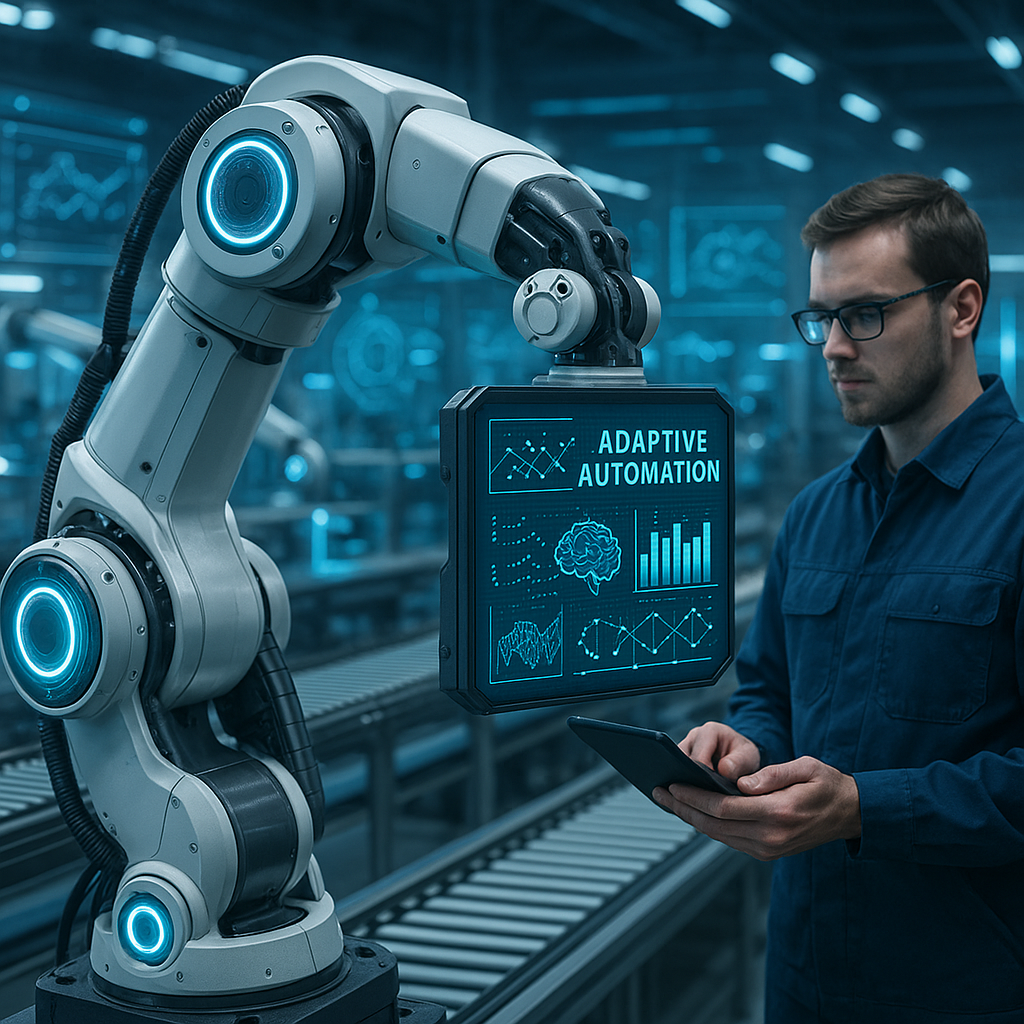
Artificial Intelligence is no longer just a concept in science fiction. It is now the driving force behind a new generation of smart robots and adaptive machines that are reshaping how industries operate. From factory floors to hospital wards, AI-powered robotics is delivering speed, precision, and flexibility that traditional machines simply cannot match.
What Are Smart Robots and How Do They Work?
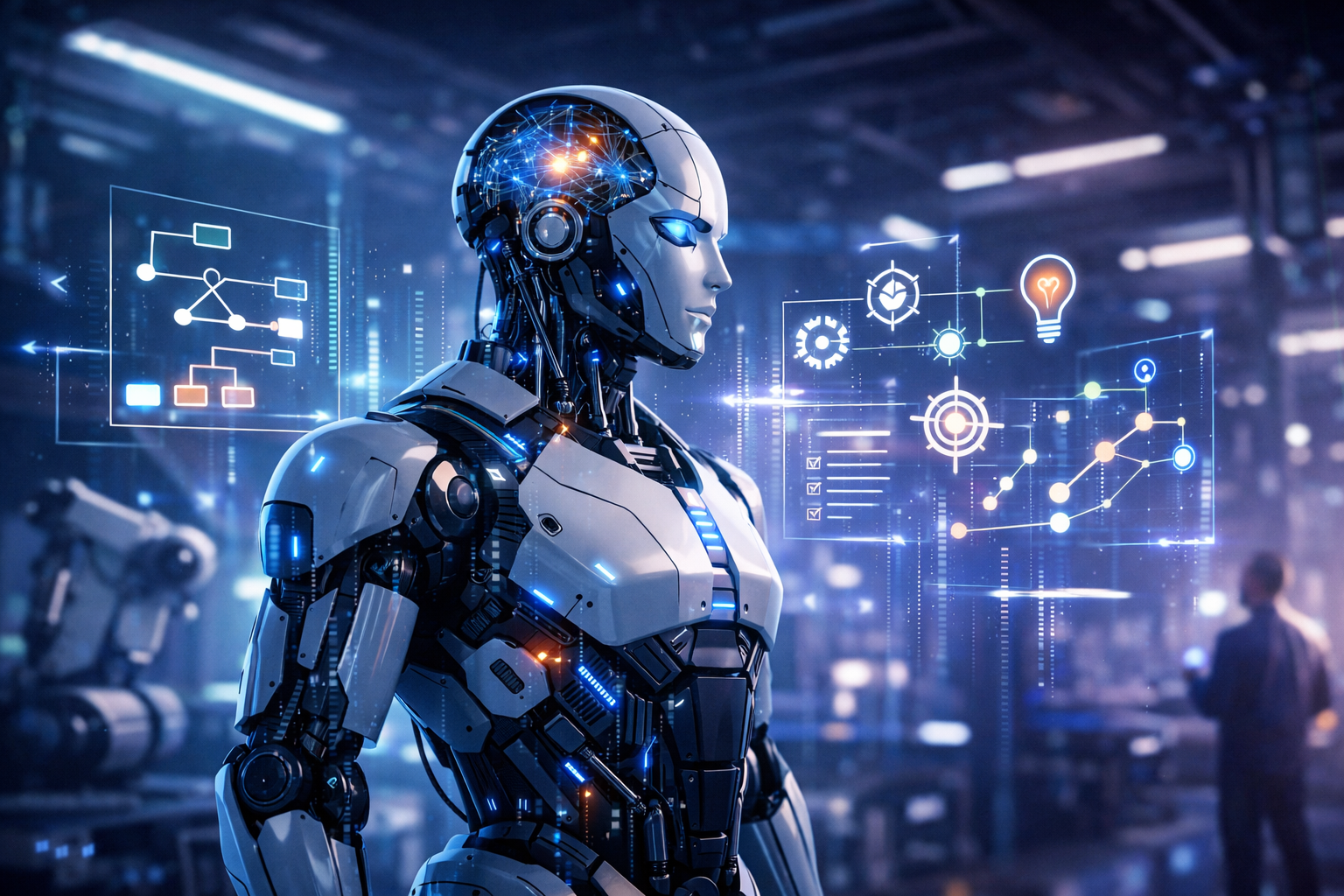
Smart robots are machines powered by Artificial Intelligence that allows them to learn, think, and make decisions independently. Unlike older machines that follow fixed instructions, smart robots can sense their environment, process information, and act without constant human input.
These machines are capable of:
- Using sensors and cameras to detect and understand their surroundings
- Learning from experience or large sets of collected data
- Making real-time decisions without waiting for human direction
A practical example is a warehouse robot that detects an obstacle in its path, calculates an alternate route, and completes its delivery task — all without any human intervention. This kind of autonomous behavior is what sets smart robots apart from conventional automated machines.
What Is Adaptive Automation?
Adaptive automation takes the concept of smart robotics a step further. These systems do not repeat the same fixed task every time. Instead, they adjust their behavior based on changing conditions to work more efficiently.
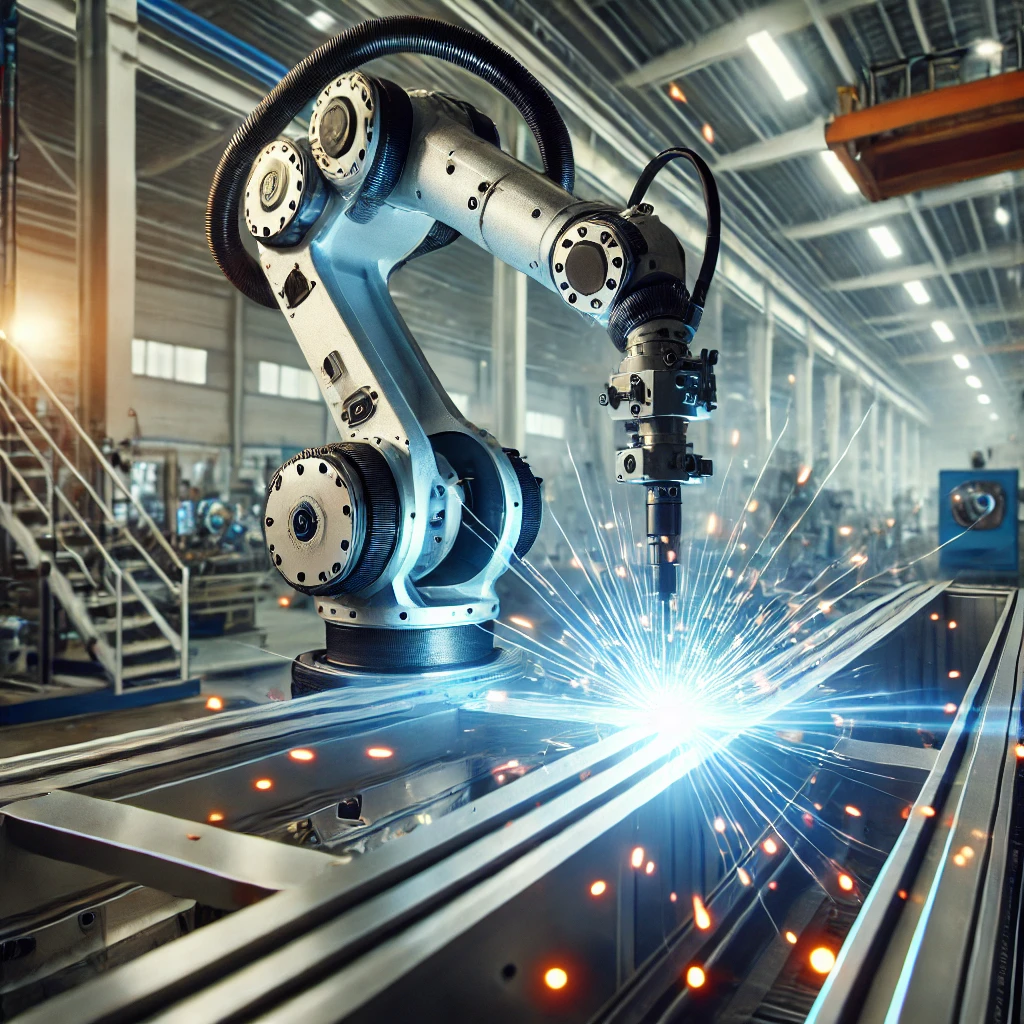
Consider a robotic arm on a factory assembly line. When it picks up a small, lightweight component, it applies a gentle grip. When it handles a heavier item, it automatically increases grip strength. This adjustment happens instantly, without any pause or human instruction. That is adaptive automation in action.
The key difference between standard automation and adaptive automation is flexibility. Standard machines do one thing repeatedly. Adaptive machines respond to their environment and improve their performance over time.
Why AI and Automation Together Make a Powerful Combination
When Artificial Intelligence is combined with automation, the result is a system that is both intelligent and adaptable. These machines go beyond pre-programmed instructions. They use data to continuously improve their performance.
The benefits of AI-driven adaptive systems include:
- Fewer errors compared to manual or traditional automated processes
- Time and resource savings across production and logistics operations
- Support for workers in physically demanding or repetitive roles
- Continuous improvement through data learning, without needing to be reprogrammed manually
This combination is particularly valuable in high-volume industries where even small inefficiencies can result in significant losses.
Where Are AI Robots Being Used Today?
AI-powered robots are already active across a wide range of industries. Here is a look at how different sectors are putting this technology to work:
| Industry | How Robots Are Being Used |
|---|---|
| Manufacturing | Machines build products faster and self-correct errors during production |
| Healthcare | Robots assist in surgical procedures and support patient monitoring and care |
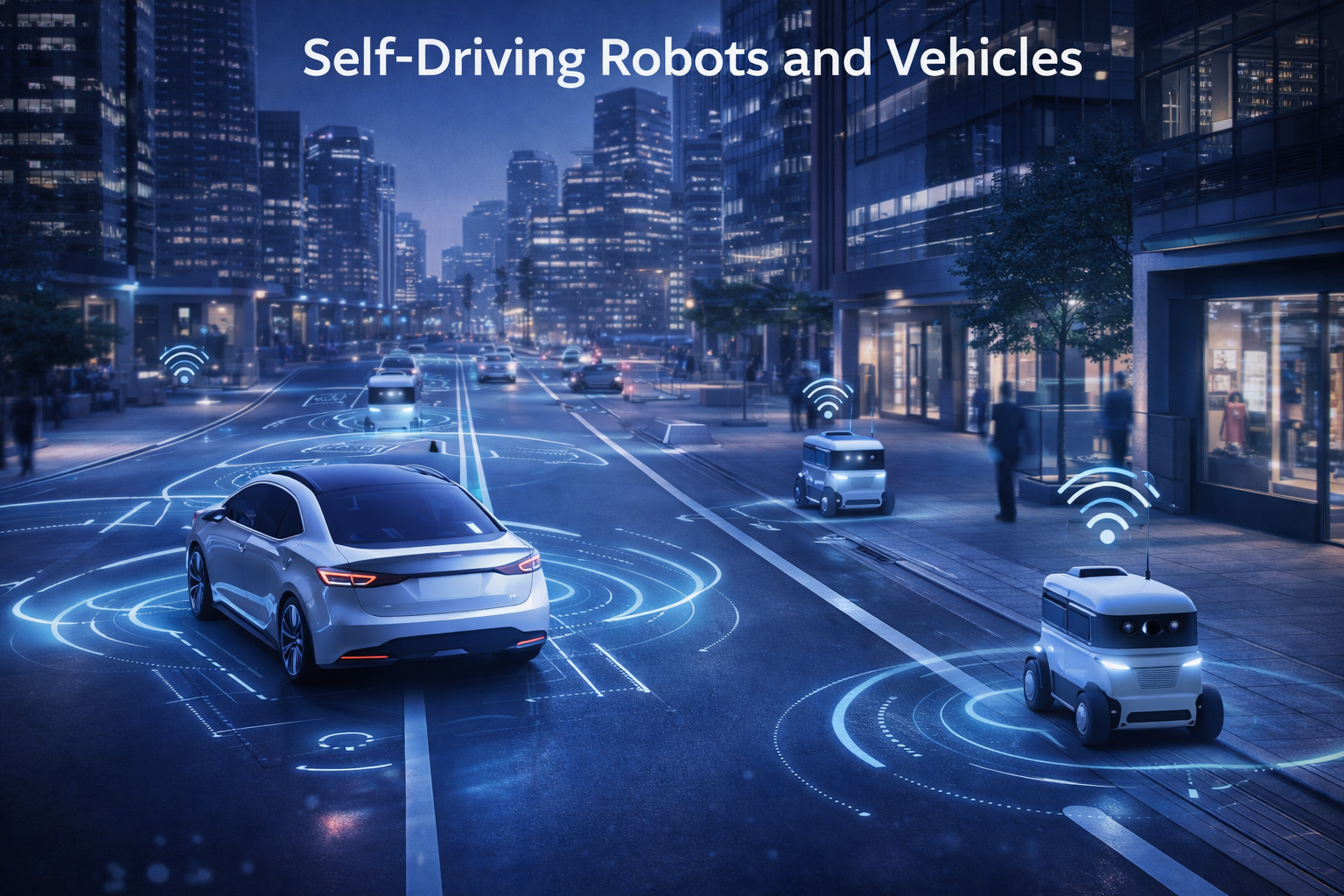
| Logistics | Smart systems manage warehouse movement and handle last-mile deliveries |
| Retail | Robot assistants interact with customers and manage real-time inventory tracking |
| Agriculture | Automated machines monitor crop health and assist with planting and harvesting |
Each of these sectors benefits from robots that can adapt to changing conditions, reduce human error, and operate continuously without fatigue.
The Future of AI Robotics: What Experts Predict
The growth trajectory for AI in robotics is significant. Experts predict the global AI in robotics market could exceed $50 billion by 2030. Major companies including Tesla, Boston Dynamics, and ABB are already investing heavily in this space and deploying these technologies at scale.
Looking ahead, several developments are expected to become mainstream:
- Fully robot-managed factories where human oversight is minimal
- Robots assisting in hospitals for tasks ranging from diagnostics to patient transport
- Robot-operated farms that monitor soil, manage irrigation, and harvest crops autonomously
The five core advantages driving adoption across industries are:
- Quicker performance — robots work around the clock without breaks
- Better accuracy — precision tasks are handled without human error
- Smarter decision-making — real-time adaptation to changing situations
- Cost efficiency — long-term savings by handling more work with fewer resources
- Scalability — systems that work equally well for small operations and large enterprises
As this technology matures, the line between human capability and machine performance will continue to narrow, opening new possibilities across every sector of the economy.
AI-powered smart robotics and adaptive automation are not a distant future — they are already here, already working, and already delivering measurable results. For businesses and industries willing to adopt these systems, the potential for efficiency, accuracy, and growth is substantial.
Frequently Asked Questions
Traditional automated machines follow fixed, pre-programmed instructions and repeat the same task every time. Smart robots, powered by Artificial Intelligence, can sense their environment, learn from data, and make independent decisions in real time without constant human input.
Companies like Tesla, Boston Dynamics, and ABB are among the leading players actively developing and deploying AI-powered robotics and adaptive automation technologies across various industries.
Experts predict the global AI in robotics market could exceed $50 billion by 2030, driven by increasing adoption across manufacturing, healthcare, logistics, retail, and agriculture sectors.