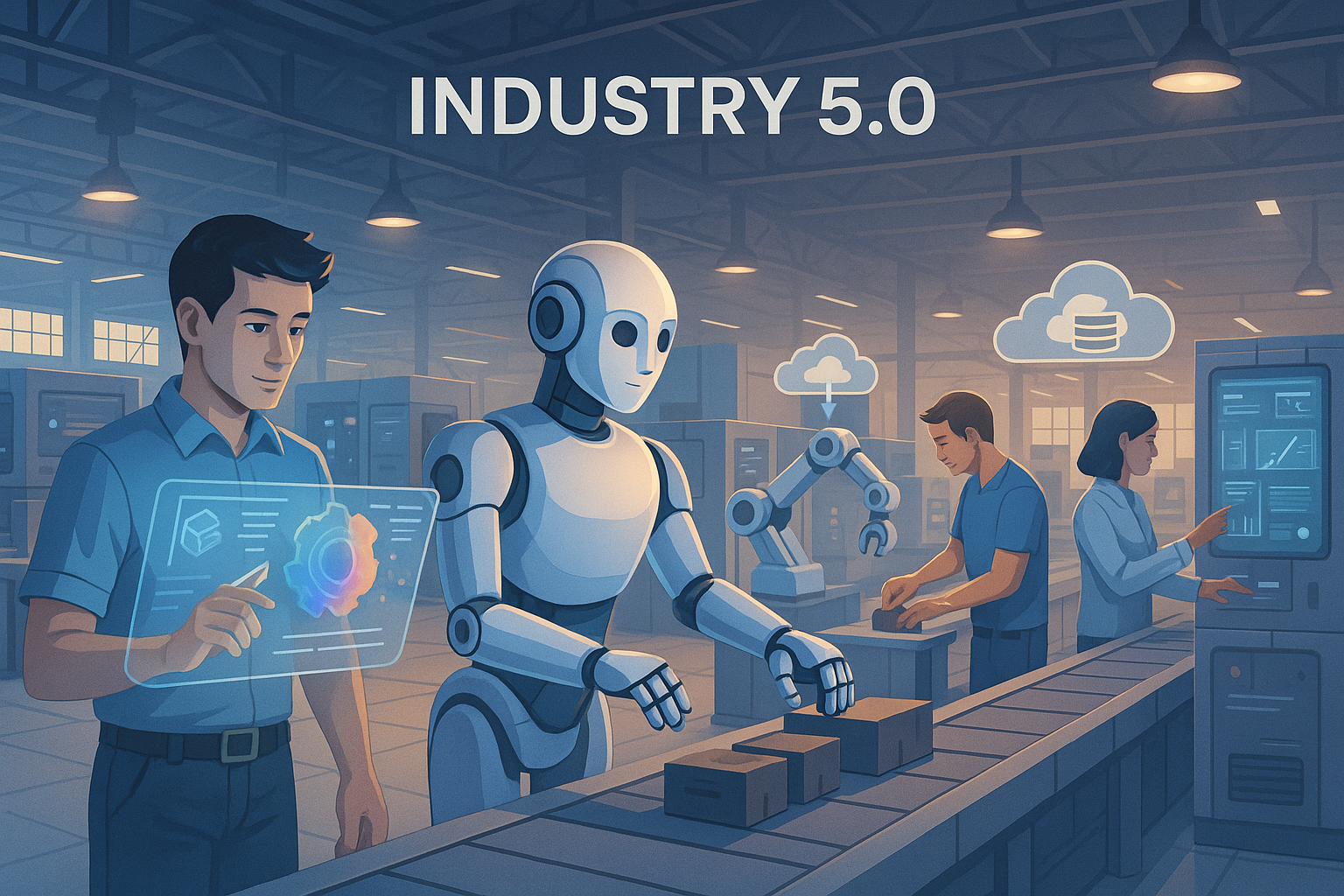
Manufacturing is entering a new phase — one where technology serves people, not the other way around. Industry 5.0 builds on the automation achievements of its predecessor to create a production environment that is more human-focused, sustainable, and adaptable. It is not about replacing workers with machines, but about making humans and machines work better together.
From Steam to Smart: The Industrial Revolution Timeline
To understand where Industry 5.0 fits in, it helps to look at how manufacturing has evolved over the centuries. Each industrial revolution introduced a new layer of capability:
- Industry 1.0: Water and steam power introduced mechanical production in the 18th century.
- Industry 2.0: Electricity enabled mass production and assembly lines in the early 20th century.
- Industry 3.0: Electronics and IT systems brought automation and computerised control from the 1970s onward.
- Industry 4.0: Cyber-physical systems, the Internet of Things (IoT), and artificial intelligence created smart, connected factories.
- Industry 5.0: The focus shifts back to people — combining advanced technology with human creativity, ethics, and sustainability goals.
While Industry 4.0 was largely about efficiency and automation, Industry 5.0 asks a deeper question: how can technology improve human lives and the planet, not just productivity metrics?
The Core Idea: Humans and Machines as Partners
The defining principle of Industry 5.0 is collaboration between humans and machines. Machines are highly capable when it comes to precision, speed, and repetitive tasks. Humans bring creativity, emotional intelligence, ethical judgment, and problem-solving skills that machines cannot replicate.
When these strengths are combined, manufacturers can achieve outcomes that neither could reach alone:
- Personalised Products: Goods can be tailored to individual customer preferences at scale, something traditional mass production could not offer.
- Faster Innovation: Human ingenuity paired with machine processing power accelerates product development cycles.
- Better Workplaces: Workers are freed from dangerous or monotonous tasks, allowing them to focus on meaningful, higher-value work.
This shift also places greater emphasis on worker well-being, job satisfaction, and mental health — areas that were often overlooked in purely efficiency-driven manufacturing models.
Key Technologies Driving Industry 5.0
Several advanced technologies are central to making Industry 5.0 a practical reality across different sectors:
- Collaborative Robots (Cobots): Unlike traditional industrial robots that operate in isolated cages, cobots are designed to work safely alongside human workers on shared tasks.
- Artificial Intelligence (AI): AI systems assist with decision-making, quality control, predictive maintenance, and process optimisation.
- Internet of Things (IoT): Connected devices and sensors collect real-time data across the production floor, enabling smarter responses to changing conditions.
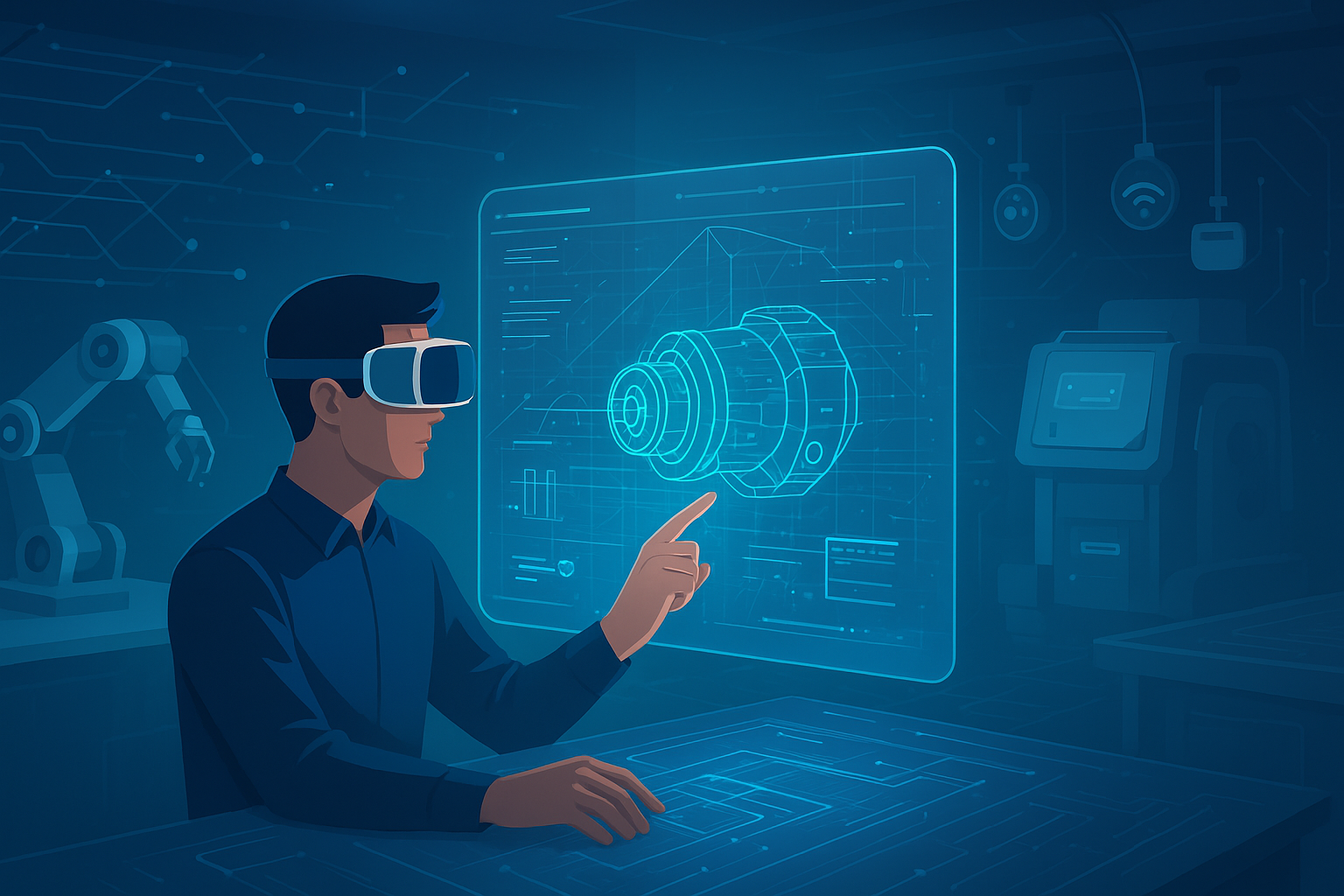
- Augmented Reality (AR) and Virtual Reality (VR): These tools support worker training, remote assistance, and equipment maintenance in immersive, practical ways.
- Digital Twins: Virtual replicas of physical systems allow manufacturers to simulate, test, and refine processes without disrupting actual production.
| Technology | Role in Industry 5.0 |
|---|---|
| Cobots | Safe human-robot collaboration on the factory floor |
| AI | Predictive analytics and intelligent decision support |
| IoT | Real-time device connectivity and data sharing |
| AR and VR | Enhanced training, maintenance, and remote support |
| Digital Twins | Virtual simulation and process improvement |
Real-World Impact Across Industries
Industry 5.0 is not a distant concept — it is already influencing how companies operate across multiple sectors:
- Healthcare: Personalised medical devices, prosthetics, and treatment plans are being developed using human-centred manufacturing approaches combined with advanced robotics and data analysis.
- Automotive: Car manufacturers are offering greater customisation options, allowing buyers to configure vehicles to their specific preferences while production lines adapt in real time.
- Consumer Goods: Brands are moving toward made-to-order models where products are manufactured based on individual customer specifications rather than generic demand forecasts.
The benefits of adopting Industry 5.0 principles extend beyond individual companies. At a broader level, the approach supports:
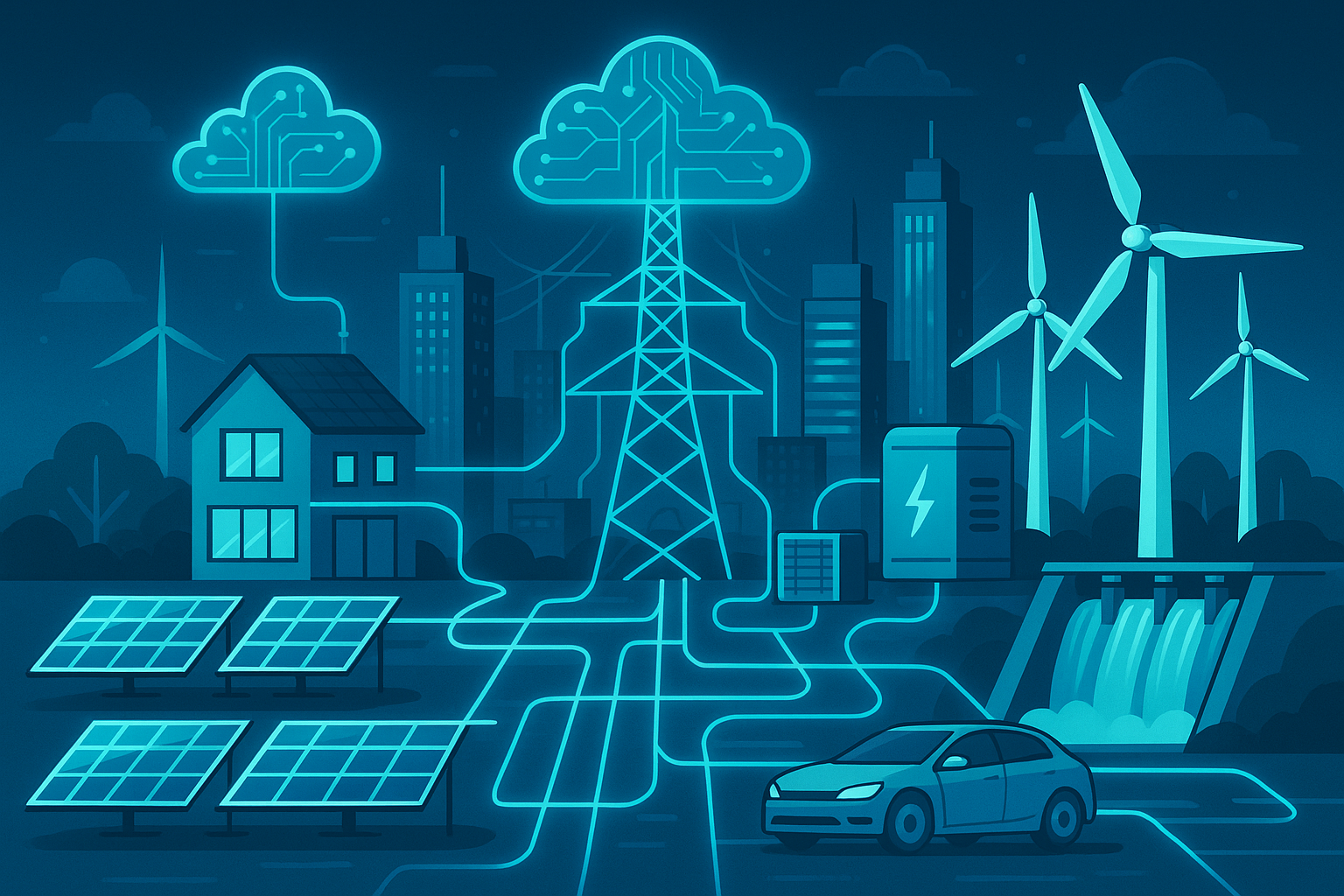
- Sustainability: Smarter use of raw materials and energy reduces waste and environmental impact.
- Resilience: Flexible, human-supported systems can adapt more quickly to supply chain disruptions or sudden market changes.
- Employee Empowerment: Workers gain more meaningful roles, which improves morale, retention, and overall productivity.
How Companies Can Prepare for the Industry 5.0 Transition
Shifting to an Industry 5.0 model requires deliberate planning and investment. Businesses looking to make this transition should consider the following steps:
- Invest in Workforce Training: Employees need new skills to work effectively alongside cobots, AI tools, and AR systems. Upskilling programmes are essential, not optional.
- Build a Collaborative Culture: Organisations must encourage open communication between human teams and the technology systems they use. This means rethinking workflows and management structures.
- Commit to Sustainability Goals: Industry 5.0 is closely linked to environmental responsibility. Companies should integrate green manufacturing practices into their core strategy, not treat them as an afterthought.
- Start with Pilot Projects: Rather than overhauling entire operations at once, businesses can begin with targeted cobot deployments or digital twin experiments to build confidence and gather data.
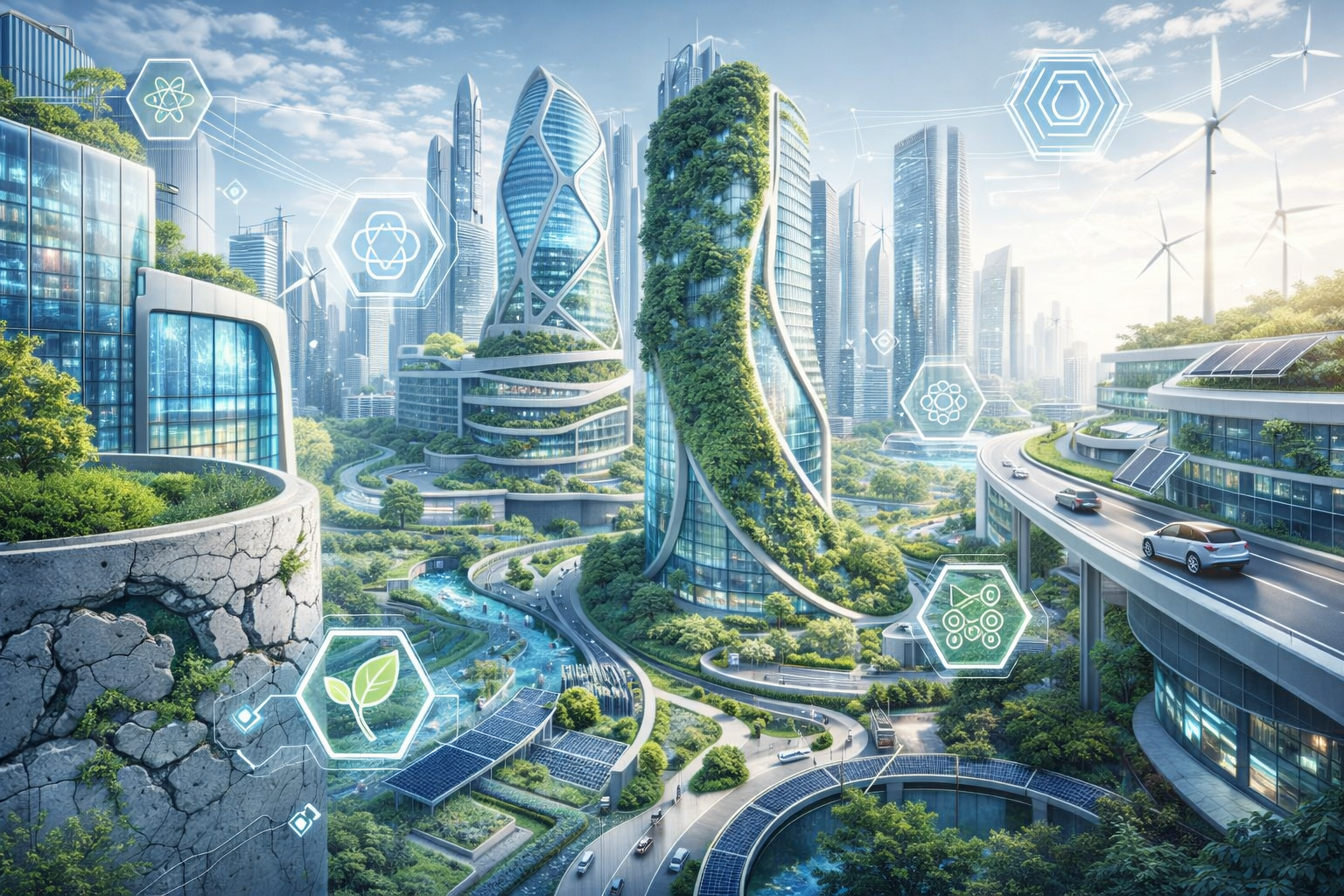
Industry 5.0 represents a meaningful shift in how the world thinks about manufacturing — one where progress is measured not just in output and efficiency, but in human well-being and environmental responsibility. Companies that embrace this approach early are likely to build stronger, more adaptable, and more trusted operations in the years ahead.
Frequently Asked Questions
Industry 4.0 focused on automation, IoT, and smart technology to improve efficiency. Industry 5.0 builds on this by bringing humans back to the centre of manufacturing, emphasising collaboration between people and machines, personalisation, sustainability, and worker well-being rather than automation alone.
Cobots are robots specifically designed to work safely alongside human workers. Unlike traditional industrial robots that operate in isolated areas, cobots assist humans with tasks that require precision or repetition, allowing workers to focus on creative and complex responsibilities. They are a key technology in the Industry 5.0 model.
Healthcare, automotive, and consumer goods sectors are among the early adopters. In healthcare, personalised medical devices are being produced using advanced manufacturing techniques. In automotive, manufacturers are offering greater vehicle customisation. Consumer goods companies are shifting toward made-to-order production models.