
Humanoid robots are no longer confined to science fiction films or research labs. In 2025, these human-shaped machines are stepping into real factories and warehouses, marking a turning point in industrial automation. Companies across the globe are betting big on this technology, and the results could reshape how work gets done.
What Are Humanoid Robots and Why Are They Different?
Humanoid robots are designed to look and move like humans. Unlike traditional industrial machines that are built for one fixed task, humanoid robots are built for flexibility. They can:
- Walk on two legs across factory floors
- Use hands to grip, lift, and manipulate tools
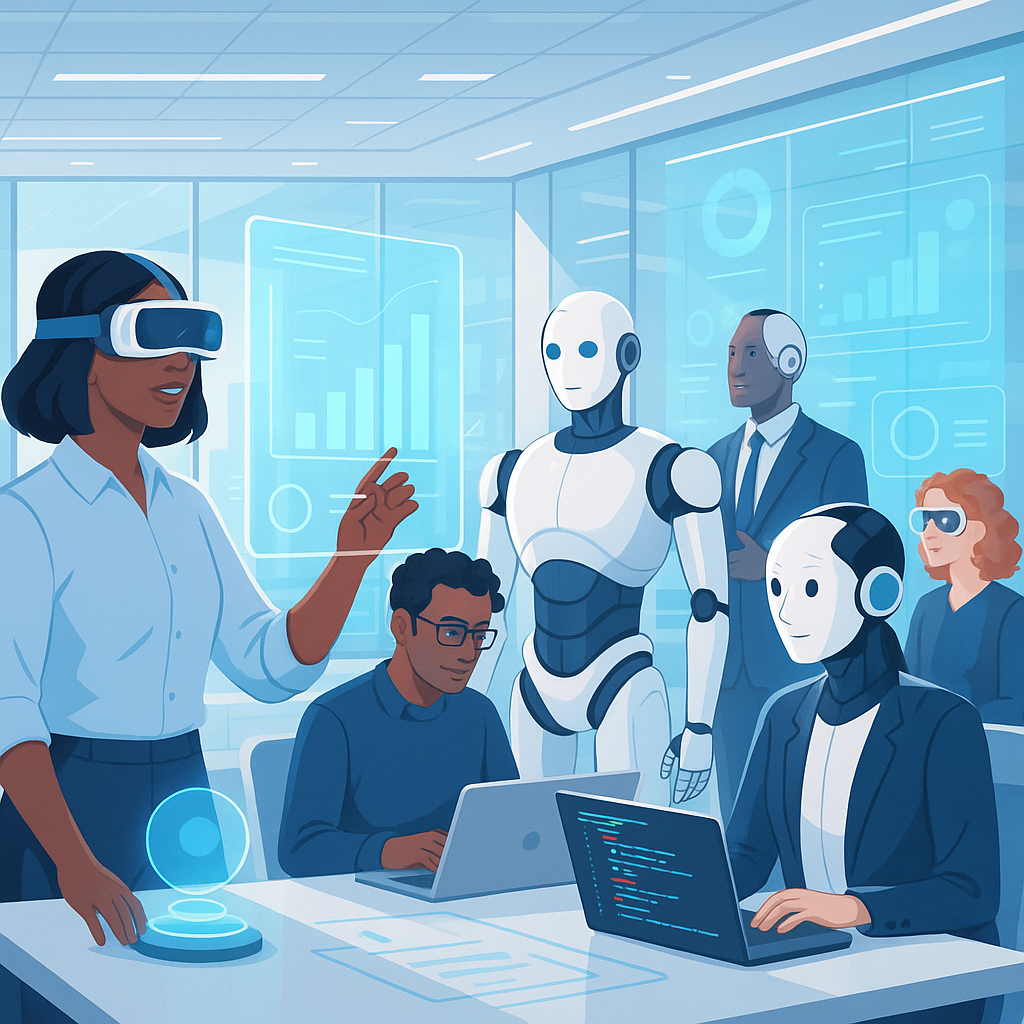
- Operate in spaces originally designed for human workers
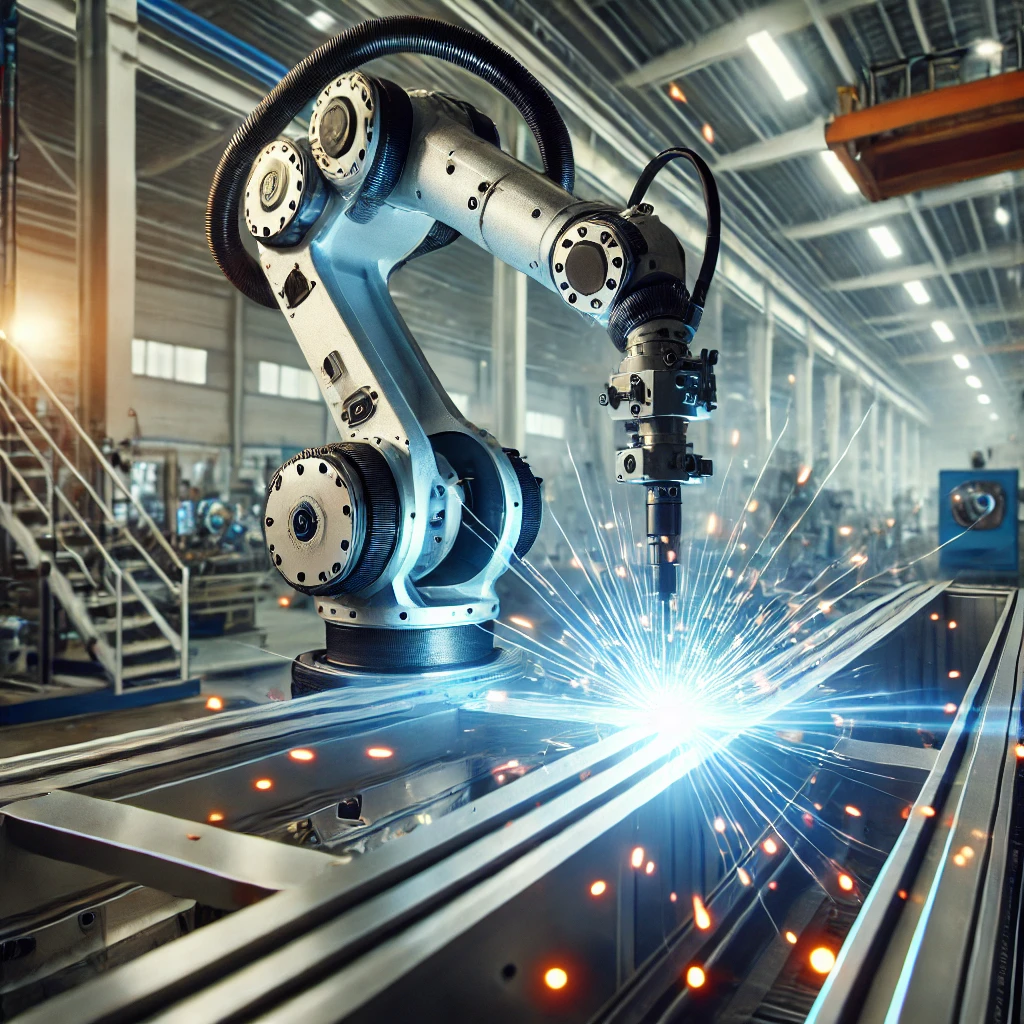
This adaptability is what makes them stand out. A standard robotic arm on an assembly line can only do what it was programmed for. A humanoid robot can switch between tasks — from moving packages to inspecting equipment — without needing a completely different setup.
Why 2025 Is a Turning Point for Industrial Robotics
Several major companies and governments are pushing humanoid robots from pilot projects into active industrial use this year. Here is what is happening on the ground:
- Hyundai and Boston Dynamics are running trials with the Atlas humanoid robot inside automobile manufacturing plants.
- Google DeepMind’s Gemini Robotics is training robots in simulated environments so they can perform real-world tasks more reliably.
- Nvidia and Foxconn are planning to deploy humanoid robots to assist in building AI servers inside American factories by 2025.
- South Korea has launched the K-Humanoid Alliance, a national initiative aimed at developing advanced humanoid robots by 2028.
These are not small experiments. These are large-scale industrial deployments backed by some of the world’s biggest technology and manufacturing companies.
Key Benefits of Humanoid Robots in the Workplace
The case for humanoid robots in industry is strong. Here are the main advantages they bring:
- Safer working conditions — Robots can handle heavy loads, toxic chemicals, and high-risk tasks that put human workers in danger.
- Round-the-clock operation — Unlike human workers, robots do not need breaks, sleep, or shift rotations.
- No major factory redesign needed — Because humanoid robots move like people, existing workspaces do not need to be rebuilt from scratch.
- Task flexibility — A single robot can shift between different jobs, making it more cost-effective over time.
| Feature | Traditional Industrial Robot | Humanoid Robot |
|---|---|---|
| Task Flexibility | Limited to one task | Can handle multiple tasks |
| Workspace Compatibility | Requires custom setup | Works in human-designed spaces |
| Mobility | Fixed or limited movement | Walks, climbs, navigates freely |
| Cost | Lower upfront cost | Higher but falling rapidly |
Challenges That Still Need to Be Solved
Despite the excitement, humanoid robots still face real obstacles before they become mainstream in every factory:
- High manufacturing cost — Building a reliable humanoid robot is still expensive, limiting adoption to large companies for now.
- Job displacement concerns — As robots take over repetitive tasks, workers will need to reskill and move into more creative or supervisory roles.
- Durability and reliability — Robots need to withstand long hours of industrial use without frequent breakdowns.
- Safety and ethical guidelines — Clear rules are needed to ensure that humans and robots can work side by side without accidents or misuse.
What the Future Looks Like for Humanoid Robots
The goal is not to replace human workers entirely. Instead, humanoid robots are expected to take over dull, repetitive, or physically dangerous tasks — freeing up humans to focus on problem-solving, creativity, and decision-making.
As technology improves and production costs drop, smaller businesses will also gain access to these machines. The Robot-as-a-Service (RaaS) model is expected to make humanoid robots affordable for companies that cannot afford to buy them outright. Under this model, businesses pay a subscription or usage fee instead of a large upfront cost.
In the coming years, humanoid robots are expected to appear not just in factories but also in logistics centres, hospitals, and eventually homes.
2025 is not the finish line — it is the starting point. The humanoid robots entering industries today are early versions of what will become a much larger shift in how work is organised and performed around the world.
Frequently Asked Questions
Major companies including Hyundai and Boston Dynamics, Nvidia and Foxconn, and Google DeepMind are actively deploying or testing humanoid robots in industrial settings in 2025. South Korea has also launched the K-Humanoid Alliance to develop advanced humanoid robots by 2028.
Humanoid robots are designed to handle repetitive, dangerous, or physically demanding tasks rather than fully replacing human workers. The expectation is that humans will shift to more creative, supervisory, and decision-making roles as robots take over routine work.
Robot-as-a-Service, or RaaS, is a model where businesses pay a subscription or usage fee to access humanoid robots instead of buying them outright. This makes advanced robotics affordable for smaller companies that cannot manage the high upfront cost of purchasing robots.