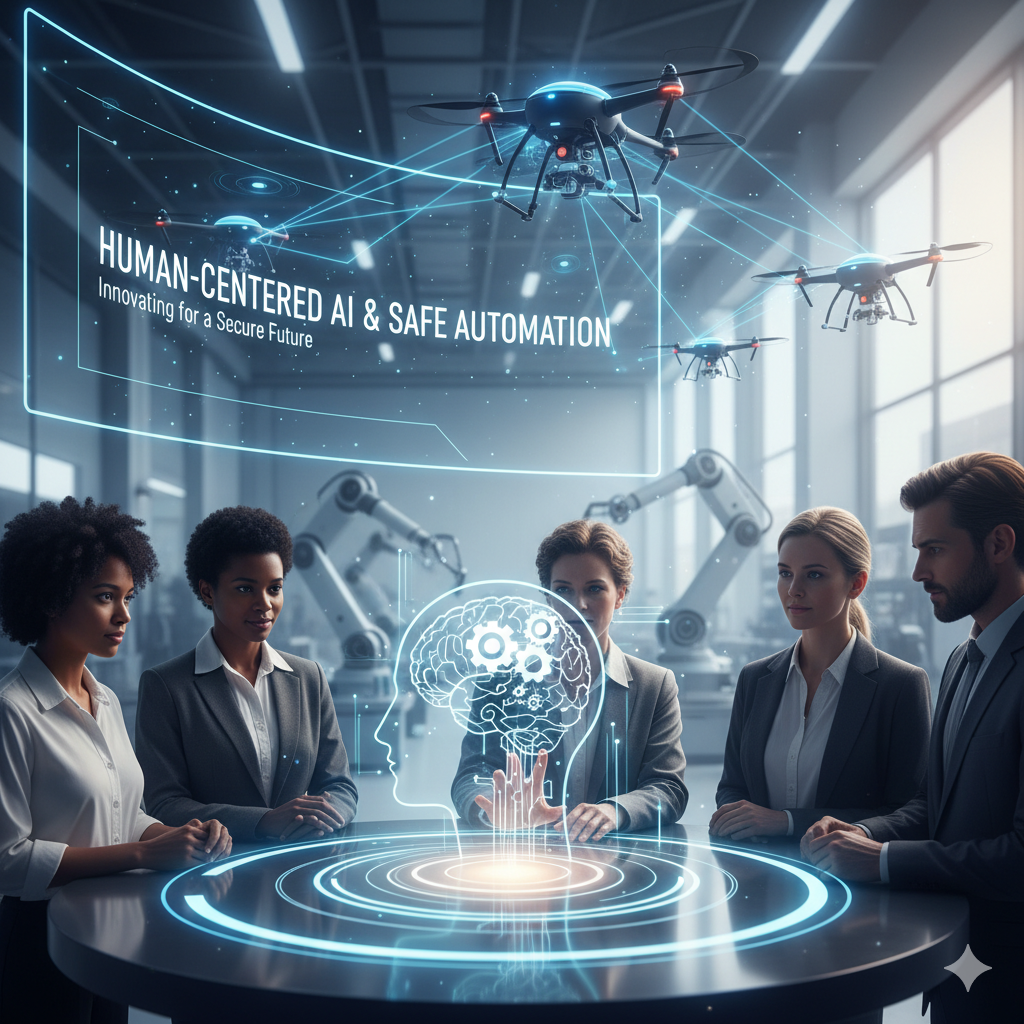
As robots and automated systems become part of everyday life — in factories, hospitals, warehouses, and homes — one question has moved to the front of every conversation: are these systems truly safe for humans? Human-Centered AI (HCAI) and safe automation are now among the most important trends shaping the future of robotics and intelligent systems in 2025.
What Is Human-Centered AI?
Human-Centered AI, often called HCAI, is an approach to building AI systems that puts human needs, safety, and comfort at the core of every design decision. Rather than building machines that simply perform tasks efficiently, HCAI focuses on making intelligent systems that people can understand, trust, and work alongside without fear.
The key principles of HCAI include:
- Transparent decision-making: AI systems explain why they made a particular choice, reducing confusion and building confidence.
- Minimized error risk: Systems are designed to recognize and avoid situations that could lead to mistakes or harm.
- Safe human-machine interaction: Every touchpoint between a person and an AI system is designed with safety as a priority.
- Human behavior awareness: AI systems are built to understand and adapt to how people naturally move, speak, and behave.
At its core, HCAI is about making sure that technology serves people — not the other way around.
What Does Safe Automation Mean?
Safe automation refers to the design and deployment of robots and automated systems that can operate independently without posing any risk of injury or harm to the people around them. It goes beyond simply adding a safety switch — it involves building intelligence into the machine so it behaves responsibly at all times.
Common safety features found in modern automated systems include:
- Proximity and safety sensors that detect nearby humans
- Emergency stop mechanisms that activate instantly when needed
- Collision-avoidance systems that reroute movement in real time
- Controlled and adjustable movement speeds based on environment
- AI-powered behavior prediction that anticipates how a nearby person might move
The goal is not just to prevent accidents — it is to build systems that people genuinely trust and feel comfortable working with every day.
Why Human-Centered AI and Safe Automation Matter More Than Ever in 2025
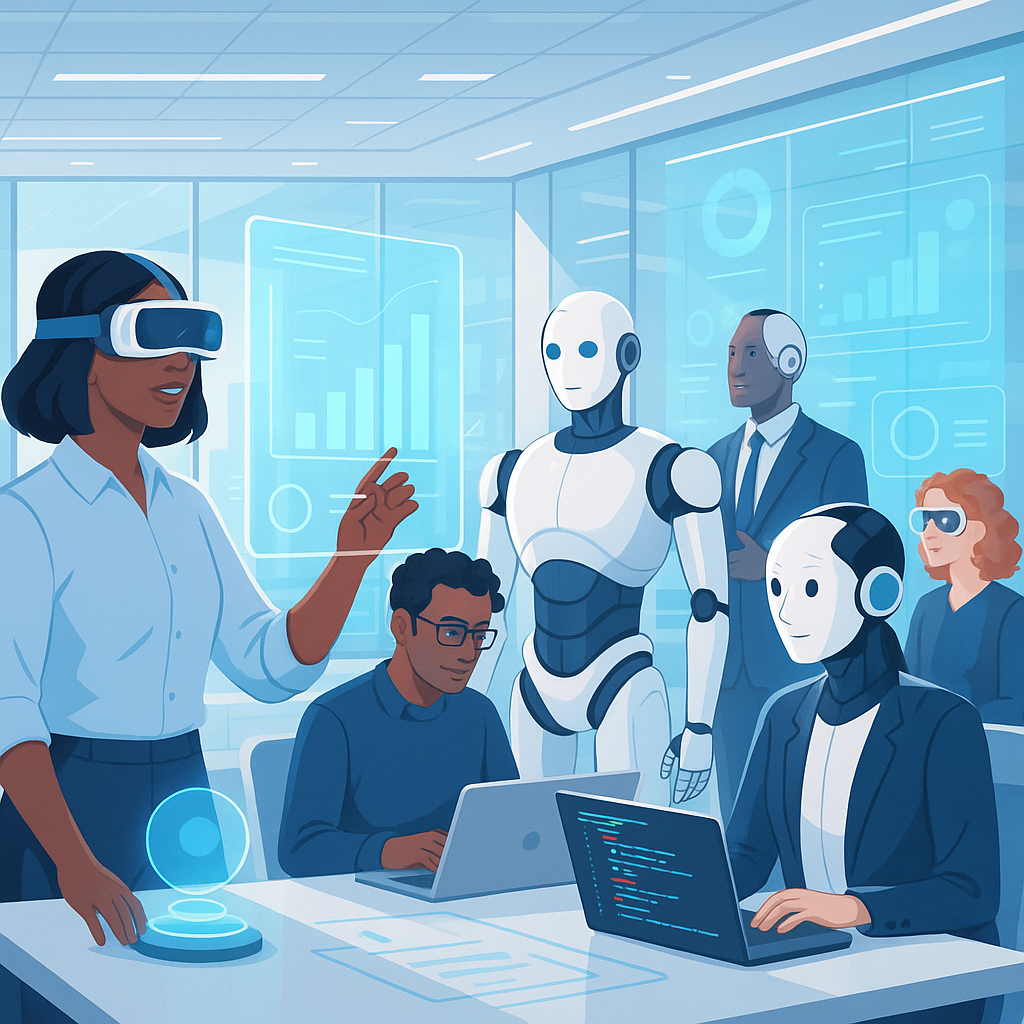
The rapid expansion of cobots, service robots, and humanoid robots across industries has made safe human-robot interaction a necessity rather than a bonus feature. Here is why this trend is gaining so much attention right now:
- Closer collaboration between humans and robots: Robots are no longer confined to isolated cages in factories. They now work side by side with people, making safety-first design critical.
- Trust drives adoption: People accept new technology faster when they feel in control and safe. HCAI makes AI systems easier to understand, more predictable, and far less intimidating.
- Growing global regulations: Governments and industry bodies around the world are introducing stricter AI safety standards. Human-centered design helps companies meet these requirements more easily.
- Fewer accidents and errors: When an AI system understands the context it is operating in and recognizes human behavioral patterns, it makes fewer dangerous mistakes — making workplaces safer and more productive.
How Human-Centered AI Works Inside Robotics Systems
HCAI is not just a philosophy — it is built into the technical architecture of modern robots. Here is how it works in practice:
- Predictable movements: Robots slow down and move smoothly when a human is nearby, but can operate at full speed when working alone. This makes their behavior readable and less startling.
- Social awareness: Some advanced robots use AI to read human gestures, voice tones, and physical distance, adjusting their actions accordingly.
- Explainable AI (XAI): Instead of making silent decisions, AI systems communicate their reasoning to operators and users, reducing uncertainty and risk.
- Adaptive behavior: Robots can change their grip strength, movement speed, or operational path depending on whether a human is present in their workspace.
| Feature | Traditional Automation | Human-Centered AI Automation |
|---|---|---|
| Decision Transparency | None | Explains decisions to users |
| Human Proximity Response | Fixed speed | Slows down near humans |
| Error Prevention | Basic sensors | Predicts and avoids unsafe actions |
| Adaptability | Fixed programming | Adapts to environment and behavior |
Real-World Applications of Safe Automation
Safe automation powered by human-centered AI is already being used across multiple industries:
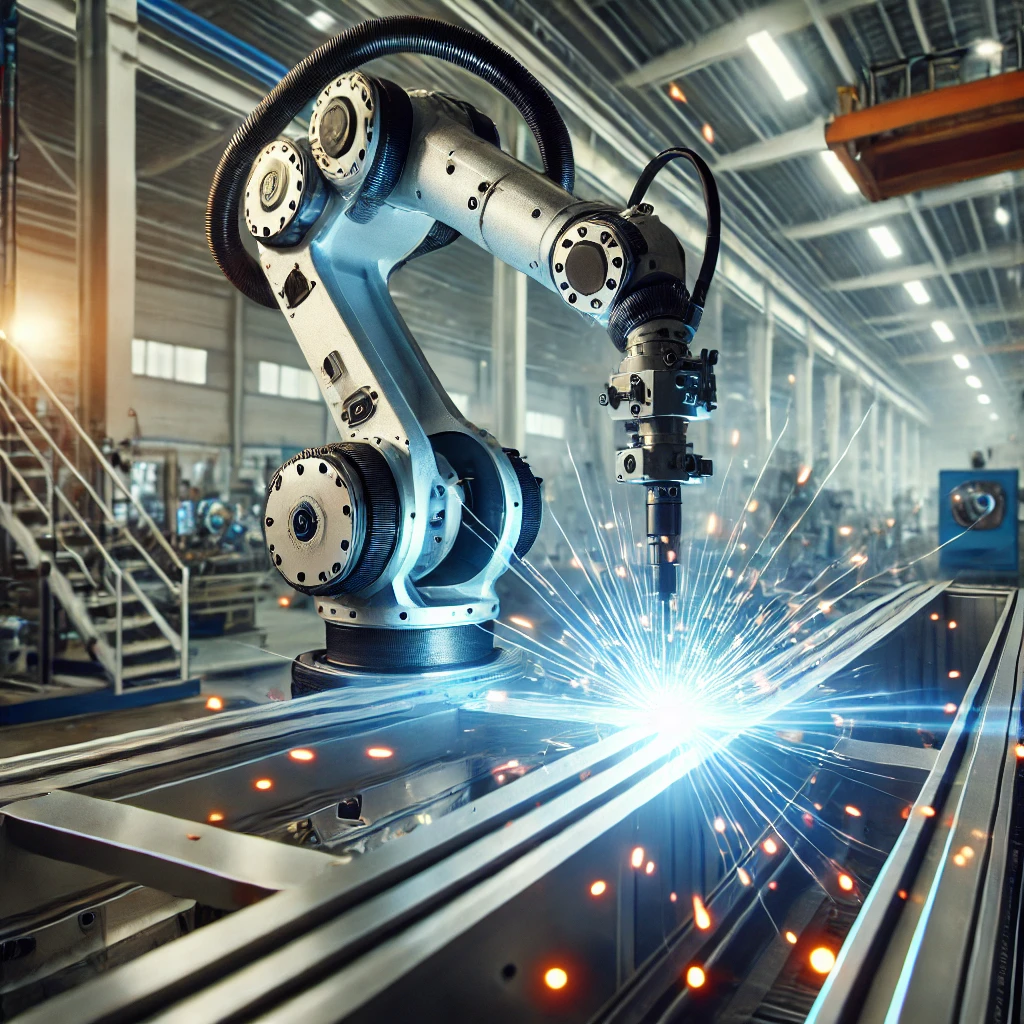
- Factories: Cobots that automatically stop or slow down the moment a worker steps into their operating zone.
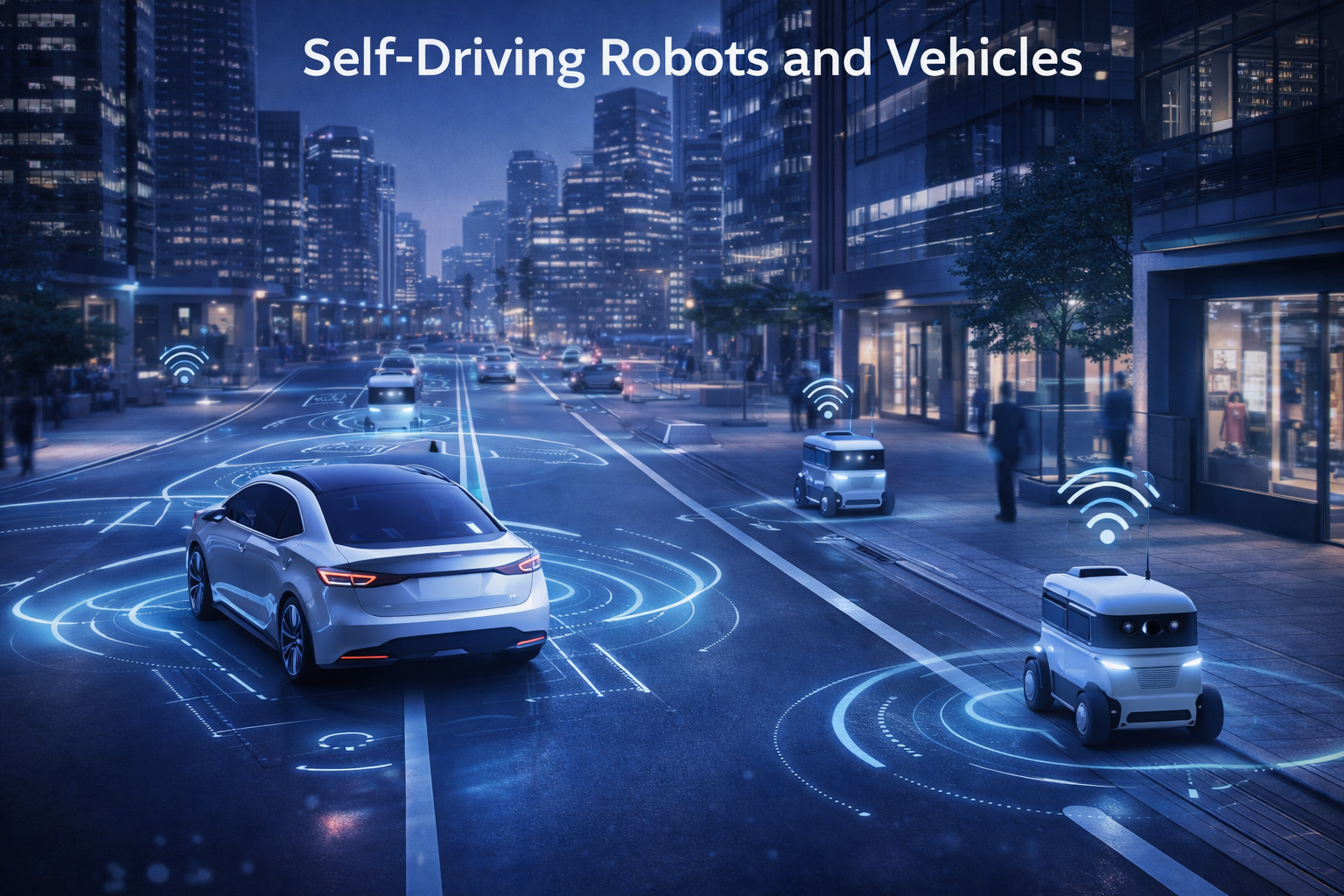
- Warehouses: Autonomous robots that navigate carefully through areas where human workers are present, avoiding collisions.
- Hospitals: Medical robots that assist with patient care and supply delivery without creating any risk to patients or staff.
- Homes: Service robots that detect human movement and adjust their path to avoid bumping into people.
Across all these settings, the shift is clear — automation is becoming human-friendly, not just efficient.
As robotics technology continues to advance, the combination of human-centered design and safe automation will define which systems earn public trust and widespread adoption. In 2025 and beyond, the most successful AI and robotics solutions will not just be the most powerful — they will be the ones that people feel genuinely safe and comfortable using every single day.
Frequently Asked Questions
Human-Centered AI is an approach to designing AI systems that prioritize human safety, comfort, and understanding. It focuses on making AI transparent, predictable, and easy for people to interact with safely.
Safe automation refers to robots and automated systems designed to operate without harming nearby humans. It uses safety sensors, collision-avoidance systems, emergency stop features, and AI-powered behavior prediction to ensure safe operation.
It is being used in factories with cobots that stop near workers, warehouses with navigation-aware robots, hospitals with patient-safe medical robots, and homes with service robots that avoid bumping into people.