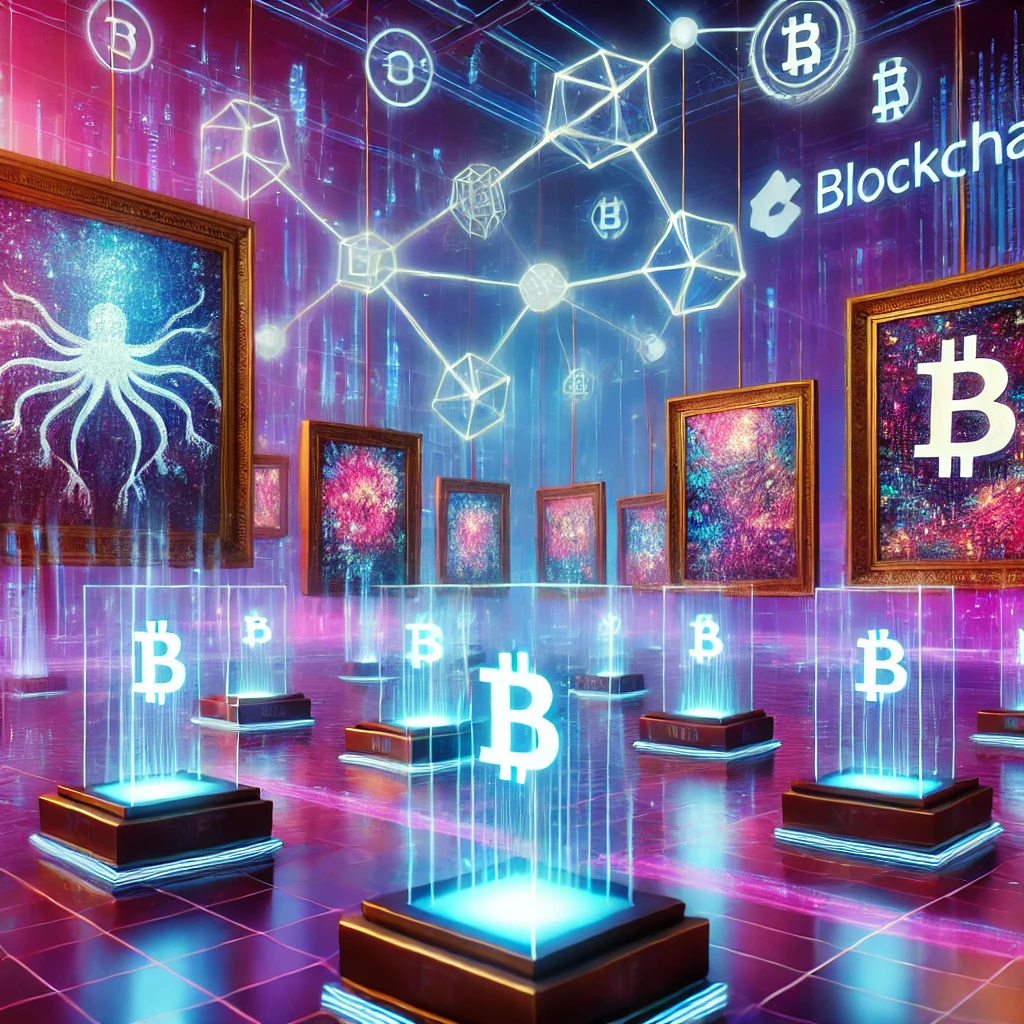
Non-fungible tokens, widely known as NFTs, have brought a significant shift in how digital art is created, sold, and owned. By combining blockchain technology with creative expression, NFTs have opened doors that were previously closed for independent artists and digital creators. Whether you are an artist looking to monetize your work or a collector exploring digital ownership, understanding NFTs is now more relevant than ever.
What Are NFTs and How Do They Work?
An NFT, or non-fungible token, is a unique digital asset stored on a blockchain. Unlike Bitcoin or Ethereum, which are interchangeable with each other, every NFT is one of a kind. This uniqueness is what makes NFTs valuable, especially in the world of art and collectibles.
When an artist creates an NFT, the token is recorded on a blockchain — a decentralised digital ledger that anyone can verify but no one can alter. This record confirms who created the asset, who currently owns it, and its full transaction history.
- Uniqueness: Each NFT is distinct and cannot be duplicated or replaced.
- Proof of Ownership: Blockchain records confirm authenticity and ownership in real time.
- Transferability: NFTs can be bought, sold, and traded across multiple platforms, keeping the market active and accessible.
How NFTs Are Reshaping the Art Market
Traditionally, artists depended on galleries, auction houses, and agents to reach buyers. This system often meant giving up a large share of earnings and creative control. NFTs have changed that equation entirely.
With NFTs, artists can sell their work directly to collectors anywhere in the world, without needing a middleman. This direct-to-buyer model gives creators full control over pricing, presentation, and distribution of their art.
One of the most significant advantages NFTs offer is the royalty mechanism. Every time an NFT is resold on a secondary market, the original artist automatically receives a percentage of that sale. This means artists can continue earning from their work long after the initial transaction — something that was nearly impossible in the traditional art market.
The Role of Blockchain Technology in NFT Art
Blockchain is the foundation that makes NFTs trustworthy and transparent. Without it, verifying the authenticity of a digital artwork would be nearly impossible, since digital files can be copied endlessly.
Here is how blockchain benefits artists and collectors:
- Authenticity Verification: Blockchain confirms that an artwork is genuine and not a counterfeit.
- Transparent History: Every sale and transfer is recorded, creating a clear and public ownership trail.
- Artist Control: Creators can manage and distribute their work independently, without relying on large institutions or corporations.
This level of transparency builds trust between artists and buyers, which is essential for a healthy digital art market.
NFT Marketplaces: Where Artists and Collectors Connect
Several platforms have emerged as popular destinations for buying and selling NFT art. Each marketplace has its own features, audience, and fee structure. The most widely used ones include OpenSea, Rarible, and Foundation.
| Marketplace | Best For | Key Feature |
|---|---|---|
| OpenSea | All types of creators | Largest NFT marketplace globally |
| Rarible | Independent artists | Community-governed platform |
| Foundation | Curated digital art | Invite-only, focused on quality |
When choosing a marketplace, artists should consider:
- Platform fees and gas charges for minting NFTs
- Ease of use and interface design
- The type of collectors and buyers active on the platform
- Community support and promotional tools available
The Future of NFTs in Digital Art
The NFT space continues to grow, and several emerging trends suggest it is far from slowing down. Artists, brands, and collectors are finding new ways to use NFTs beyond simple image files.
- Virtual Reality Art: NFTs are being integrated with VR environments, allowing collectors to display digital art in immersive virtual galleries.
- Collaborative Collections: Artists are teaming up to create joint NFT projects, combining audiences and creative styles.
- Mainstream Brand Adoption: Major brands and public figures are entering the NFT space, bringing wider visibility and credibility to digital art ownership.
As technology advances and more people become comfortable with digital ownership, NFTs are likely to become a standard part of how art is bought and sold globally.
In conclusion, NFTs represent a meaningful shift in the relationship between artists, their work, and their audience. By removing traditional gatekeepers and introducing transparent, blockchain-backed ownership, NFTs give creators more power and collectors more confidence. For anyone involved in art — whether as a creator or a buyer — understanding how NFTs work is no longer optional. It is becoming an essential part of navigating the modern creative economy.
Frequently Asked Questions
An NFT, or non-fungible token, is a unique digital asset stored on a blockchain. Unlike regular cryptocurrencies, each NFT is one of a kind and cannot be exchanged on a like-for-like basis, making it ideal for representing ownership of digital art, music, or collectibles.
Artists earn money from NFTs in two main ways. First, they receive payment when they sell the NFT for the first time. Second, through a built-in royalty mechanism, they automatically receive a percentage of the sale price every time the NFT is resold on a secondary market.
OpenSea is generally considered the best starting point for beginners due to its large user base, wide range of supported assets, and relatively straightforward interface. Rarible is also a good option for independent artists, while Foundation is better suited for curated, high-quality digital art.