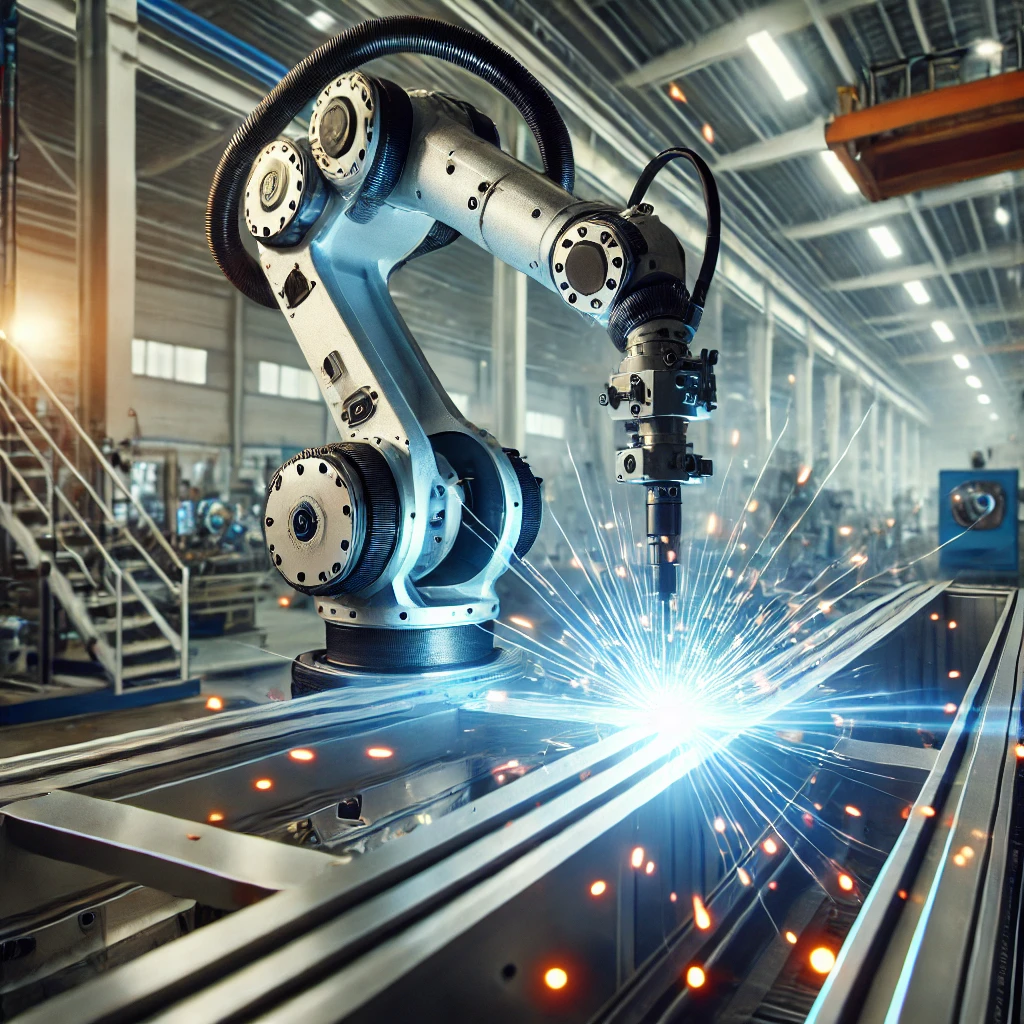

Businesses across the world are struggling to find enough qualified workers. From factories and hospitals to warehouses and farms, the shortage of skilled staff is hitting hard. Companies are now turning to automation and robotics to keep operations running — and the results are reshaping how entire industries function.
What Does ‘Automation to Fill Gaps’ Actually Mean?
When businesses cannot find enough human workers, they use technology to handle those tasks. This is what experts call automation to fill gaps — deploying robots, smart software, and intelligent systems to carry out jobs that would otherwise go unfilled.
Some common examples include:
- Robots moving and sorting packages inside warehouses
- Software bots automatically organizing data and generating reports
- Machines assisting doctors and factory workers with repetitive, time-consuming tasks
These tools allow companies to maintain productivity and meet demand even when their human workforce falls short.
Why Are So Many Businesses Turning to Automation Right Now?
The push toward automation is not happening by accident. Several real pressures are driving companies to adopt these technologies faster than ever before.
- Shortage of skilled workers: Industries like manufacturing and logistics cannot find enough trained staff to fill open positions.
- Rising labour costs: Hiring, onboarding, and training large teams is expensive. Automation helps reduce that financial burden.
- Round-the-clock productivity: Machines do not need breaks, sleep, or sick days — work continues without interruption.
- Fewer errors: Automated systems perform repetitive tasks with high precision, reducing costly mistakes.
- Safer work environments: Robots can handle dangerous jobs, protecting human workers from injury.
Together, these factors make automation a practical and necessary choice for businesses trying to stay competitive.
Real-World Examples Across Key Industries
Automation is already making a measurable difference across multiple sectors. Here is a look at how different industries are putting it to work:
| Industry | How Automation Helps |
|---|---|
| Manufacturing | Robotic arms assemble products quickly when skilled workers are unavailable |
| Healthcare | AI chatbots and robotic assistants help with patient scheduling and basic care support |
| Agriculture | Drones and smart tractors handle planting, irrigation, and harvesting |
| Retail | Self-checkout kiosks and inventory robots reduce dependence on floor staff |
| Warehousing | Automated Guided Vehicles (AGVs) and sorting robots speed up delivery operations |
These technologies free up human workers to focus on tasks that require judgment, creativity, and communication — areas where people still hold a clear advantage over machines.
The Role of Artificial Intelligence in Modern Automation
Standard automation follows fixed rules. But when paired with Artificial Intelligence, machines become far more capable. AI allows automated systems to learn from data, identify patterns, and improve their performance over time without being manually reprogrammed.
AI-powered robots and systems can:
- Detect and correct errors on their own without human intervention
- Adapt to new environments or changing work conditions
- Provide business insights that help managers make better decisions
- Predict equipment failures before they happen, reducing downtime
This combination of automation and AI — often called intelligent automation — is becoming the backbone of Industry 4.0, the current wave of industrial transformation driven by smart technology.
Humans and Machines Working Together — Not Against Each Other
One of the biggest concerns people have about automation is job loss. But the reality is more nuanced. Automation is not designed to replace workers entirely — it is built to support them.
When machines take over repetitive and physically demanding tasks, human workers can shift their focus to higher-value work such as problem-solving, strategic planning, and creative thinking. This collaboration between people and technology produces real benefits:
- Safer working conditions with fewer workplace injuries
- Faster output and shorter production cycles
- Higher quality products with fewer defects
- New job opportunities in robotics maintenance, programming, and tech management
Rather than eliminating the workforce, automation is changing what work looks like — and creating demand for new skills in the process.
The global workforce shortage is a serious challenge, but automation and robotics are proving to be a practical and effective response. As businesses continue to adopt intelligent automation, the goal is not a world without workers — it is a world where workers and machines each do what they do best, together building more efficient, safer, and more productive industries for the future.
Frequently Asked Questions
Automation to fill gaps refers to using robots, AI systems, and smart software to handle tasks when there are not enough human workers available. This keeps businesses productive during staff shortages without compromising quality or output.
Automation is designed to support workers, not replace them entirely. While it handles repetitive and dangerous tasks, it creates new job opportunities in areas like robotics maintenance, programming, and technology management. Human workers can then focus on creative and strategic roles.
Several industries are actively using automation to manage labour shortages, including manufacturing, healthcare, agriculture, retail, and warehousing. Technologies like robotic arms, AI chatbots, drones, self-checkout systems, and Automated Guided Vehicles are widely deployed across these sectors.