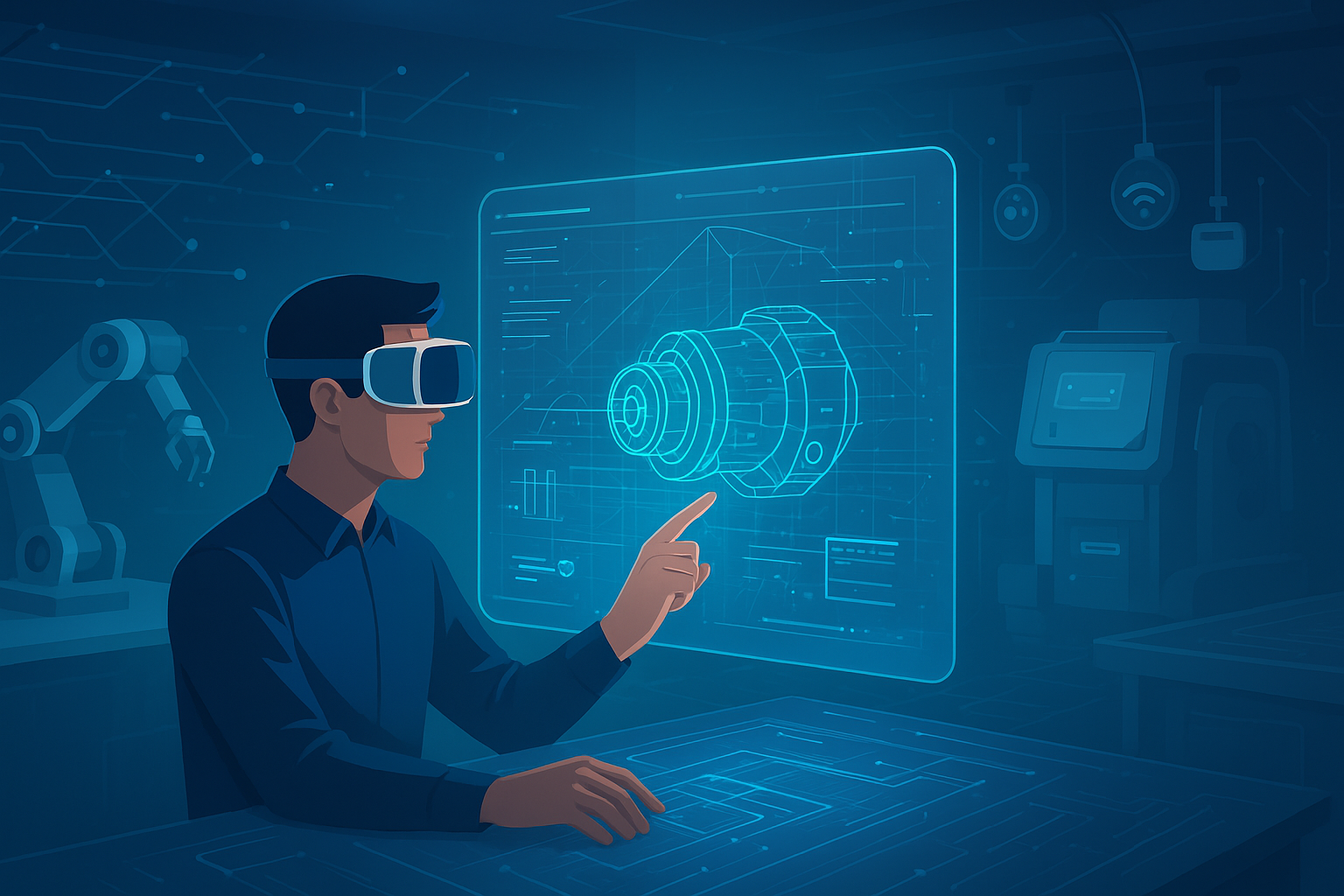

Extended Reality and the Metaverse are no longer just buzzwords from science fiction. These technologies are actively reshaping how people work, learn, shop, and receive medical care. From AR glasses on factory floors to virtual offices for remote teams, XR and the Metaverse are becoming part of everyday life in ways that matter.
What Is Extended Reality (XR)?
Extended Reality (XR) is an umbrella term that covers three closely related technologies. Each one changes how people experience the world around them in a different way.
- Virtual Reality (VR): Creates a fully digital environment that replaces the real world. Users wear headsets and are immersed in a computer-generated space, like a video game or a virtual training room.
- Augmented Reality (AR): Adds digital elements on top of the real world. A popular example is Pokémon GO, where digital characters appear on your phone screen as if they exist in your surroundings.
- Mixed Reality (MR): Blends real and digital objects so they can interact with each other in real time. A surgeon, for instance, could see digital data overlaid on a patient during an operation.
XR experiences are accessed through headsets, smart glasses, or even standard smartphones, making them increasingly accessible to a wider audience.
What Is the Metaverse?
The Metaverse is best described as a persistent, three-dimensional digital world that mirrors aspects of real life. Think of it as an internet you can step inside rather than just browse on a screen.
Inside the Metaverse, people can:
- Interact with others using digital avatars
- Attend concerts, conferences, and social events online
- Buy and sell digital goods, play games, or work in virtual offices
The Metaverse runs on a combination of XR technology, blockchain, cloud computing, and other advanced tools that make these experiences feel immediate and real. Companies like Meta, Microsoft, and Apple have invested heavily in building the infrastructure that powers it.
Real-World Applications of XR and the Metaverse
These technologies are not limited to entertainment. They are already being used across several important industries:
- Healthcare: Doctors and medical students use VR to practice complex surgical procedures in a risk-free environment. AR assists surgeons during actual operations by displaying critical information in their field of view.
- Manufacturing: Factory workers wear AR glasses that display step-by-step instructions hands-free. Remote experts can guide workers through difficult tasks without being physically present.
- Retail: Shoppers can virtually try on clothes, test how furniture looks in their home, or preview makeup products before making a purchase. This reduces returns and improves customer satisfaction.
- Remote Work: Teams spread across different cities or countries can collaborate inside virtual offices and meeting rooms, making remote work feel more connected and productive.
- Education and Training: Students explore interactive 3D models of historical events, human anatomy, or scientific concepts. This hands-on approach improves understanding and retention compared to traditional textbooks.
| Technology | What It Does | Common Example |
|---|---|---|
| Virtual Reality (VR) | Fully digital immersive environment | VR gaming, surgical training |
| Augmented Reality (AR) | Digital layers over real world | Pokémon GO, IKEA Place app |
| Mixed Reality (MR) | Real and digital objects interact | Microsoft HoloLens in surgery |
| Metaverse | Persistent 3D digital world | Virtual offices, online events |
Why XR and the Metaverse Are Growing So Fast
Several factors are driving rapid growth in this space:
- Major investment from big tech: Companies like Meta, Apple, and Microsoft are pouring billions into XR hardware and Metaverse platforms, pushing the technology forward at speed.
- Better and cheaper hardware: Headsets and AR glasses have become lighter, more powerful, and more affordable over the past few years, bringing them within reach of more consumers and businesses.
- Improved realism: Advances in graphics, spatial audio, and haptic feedback make XR experiences feel more convincing and engaging than ever before.
- Growing demand for remote solutions: The shift toward remote work and online learning has created strong demand for tools that make digital interaction feel more human and immersive.
As these trends continue, XR and the Metaverse are expected to become standard tools across industries rather than niche technologies used by early adopters.
Extended Reality and the Metaverse represent a significant shift in how humans interact with digital information and with each other. Whether you are a student, a professional, a shopper, or a patient, these technologies are likely to touch your life in the coming years. Understanding what they are and how they work is the first step to making the most of what they offer.
Frequently Asked Questions
Virtual Reality (VR) creates a fully digital environment that replaces the real world. Augmented Reality (AR) adds digital elements on top of the real world, like Pokémon GO. Mixed Reality (MR) blends real and digital objects so they can interact with each other in real time.
The regular internet is a 2D experience you browse on a screen. The Metaverse is a persistent, three-dimensional digital world where you can interact with others using avatars, attend events, work, and shop, all in an immersive environment powered by XR and cloud technology.
Meta, Apple, and Microsoft are among the biggest investors in XR and Metaverse technology. Meta focuses on social and work applications, Apple has entered the space with its Vision Pro headset, and Microsoft uses Mixed Reality tools like HoloLens in enterprise and healthcare settings.