Drones, officially known as Unmanned Aerial Vehicles (UAVs), have moved far beyond hobbyist gadgets. Today, they are active participants in robotics automation, helping industries work faster, safer, and at lower costs. From crop monitoring on farms to emergency rescue operations, drones are reshaping how businesses operate on the ground — and in the air.
What Are Drones in the Context of Robotics Automation?
In robotics automation, drones are flying machines that either operate independently or are controlled remotely with minimal human involvement. They carry out tasks such as aerial inspections, package deliveries, data collection, and site monitoring — jobs that once required significant human effort or were simply too dangerous for workers.
Their flexibility makes them valuable across sectors. By automating repetitive or high-risk tasks, drones reduce human error, speed up operations, and allow businesses to scale their work without proportionally increasing costs or workforce size.
How Different Industries Are Using Drones
Drones are not a one-size-fits-all solution, but their adaptability means they fit well into many different work environments. Here is how key industries are putting them to use:
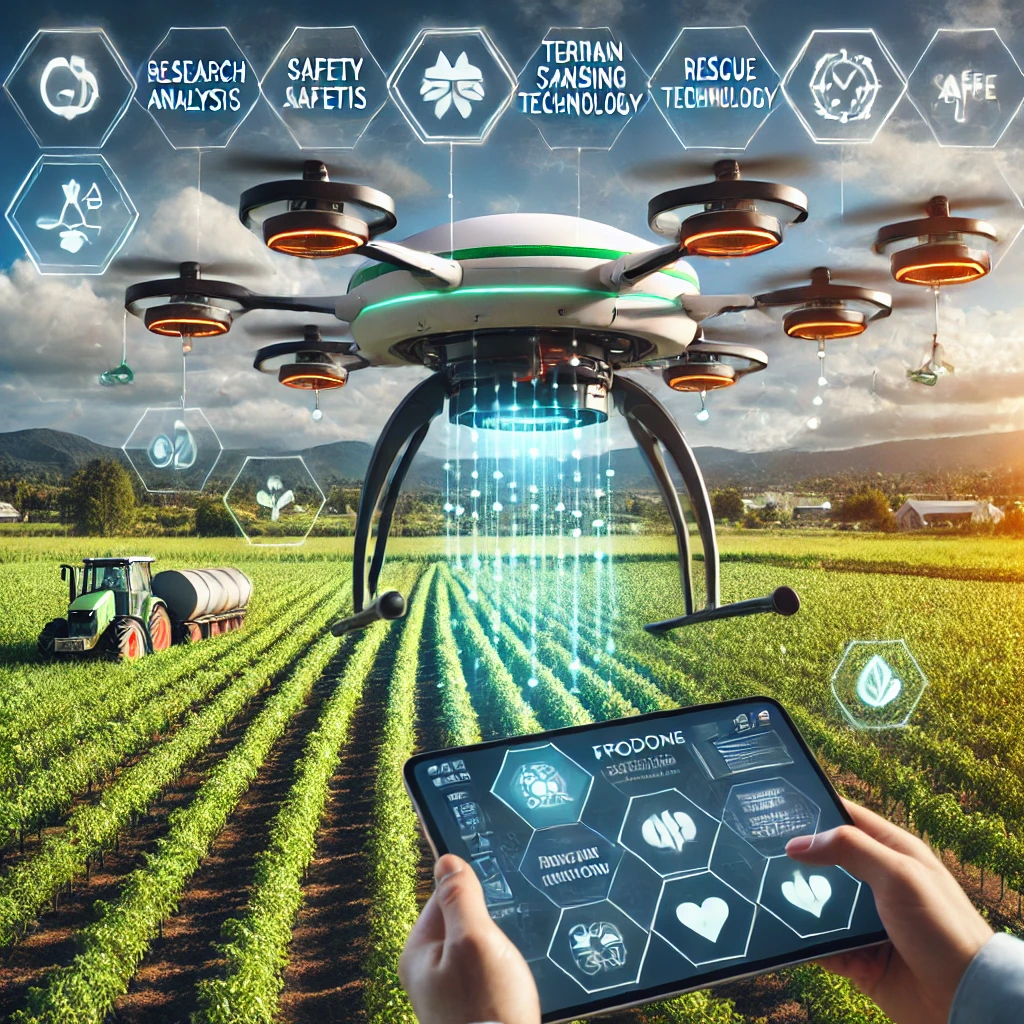
- Agriculture: Drones fly over fields capturing high-resolution images to assess soil conditions, crop health, and pest activity. Some models are equipped to spray fertilizers or pesticides precisely, reducing chemical use and manual labor. This leads to better crop yields and more sustainable farming practices.
- Logistics and Delivery: Companies like Amazon are actively testing drone delivery systems. Drones bypass road traffic entirely, making deliveries faster — especially to remote or hard-to-reach locations. This reduces dependence on delivery trucks and cuts operational costs for both businesses and consumers.
- Construction: Construction firms use drones fitted with high-quality cameras to monitor building sites from above. Project managers can track progress in real time, identify issues early, and keep projects on schedule and within budget — all without sending workers into potentially unsafe areas.
- Disaster Response: After natural disasters, drones equipped with cameras and sensors can fly over affected areas to locate survivors, assess structural damage, and even deliver essential supplies like food and medicine. Their ability to reach dangerous or blocked areas makes them critical tools for rescue teams.
Key Benefits Drones Bring to Automation
The growing adoption of drones in robotics automation is driven by clear, practical advantages:
- Speed and Efficiency: Drones complete aerial surveillance and large-area monitoring tasks far quicker than human teams. With autonomous or semi-autonomous operation, they keep productivity high without constant supervision.
- Cost Savings: Automating time-consuming or labor-intensive tasks with drones lowers staffing costs. Whether inspecting a construction site or delivering packages, drones complete the job faster and at a fraction of the cost of traditional methods.
- Access to Dangerous or Remote Areas: Drones can safely operate in flood zones, disaster-hit regions, tall structures, or other locations that pose serious risks to human workers. This makes them indispensable in emergency response, construction, and agriculture.
- Real-Time Data Collection: Drones gather and transmit data instantly. In agriculture and construction, this live information helps decision-makers respond quickly, adjust plans, and avoid costly mistakes.
| Industry | Primary Drone Use | Key Benefit |
|---|---|---|
| Agriculture | Crop monitoring and spraying | Better yields, reduced chemical use |
| Logistics | Package delivery | Faster, cheaper deliveries |
| Construction | Site inspection and monitoring | On-schedule projects, reduced errors |
| Disaster Response | Search, rescue, and supply delivery | Faster rescue, safer operations |
Challenges That Still Hold Drones Back
Despite their clear advantages, drones face real obstacles that limit how widely they can be deployed in automation today:
- Regulations and Legal Restrictions: Many countries and cities have strict rules governing where drones can fly, especially in urban or densely populated areas. As drone technology advances, regulators will need to update these frameworks to allow broader industrial use without compromising public safety.
- Battery Life Limitations: Most commercial drones have a limited flight time before needing to recharge. This restricts how far they can travel or how long they can operate on a single mission — a significant constraint for large-scale delivery or monitoring tasks.
- Data Privacy Concerns: Drones collect large volumes of data, including images and sensor readings. This raises legitimate concerns about who has access to that data and how it is stored or used. Industries handling sensitive information, such as construction firms or agricultural businesses, must put strong data governance practices in place.
What the Future Holds for Drone Automation
Drone technology is advancing rapidly. Future agricultural drones may be capable of planting seeds autonomously or monitoring much larger farm areas without human input. In logistics, drone swarms could coordinate to transport heavier loads or cover wider delivery zones more efficiently.
As battery technology improves and regulations become more drone-friendly, the scope of what drones can automate will grow significantly. Industries that invest in drone integration now are likely to gain a strong competitive edge in the years ahead.
Drones are no longer a futuristic concept — they are active, practical tools that are already changing how industries operate. Their role in robotics automation will only grow as the technology matures and adoption barriers come down.
Frequently Asked Questions
Agriculture, logistics and delivery, construction, and disaster response are among the industries that benefit most. Drones help these sectors by speeding up tasks, reducing costs, improving safety, and enabling real-time data collection in areas that are difficult or dangerous for humans to access.
The three main challenges are regulatory restrictions that limit where drones can fly, limited battery life that restricts flight duration and range, and data privacy concerns around the large volumes of information drones collect during operations.
Agricultural drones fly over fields to capture high-resolution images and gather data on soil health, crop conditions, and pest activity. Some drones can also spray fertilizers or pesticides with precision, reducing manual labor and chemical usage while improving overall crop yields.