Smartwatches and fitness trackers are now a common part of daily life. Millions of people wear them to count steps, track heart rate, and monitor sleep. But when it comes to bedtime, a real question arises — do these wearable gadgets actually help you sleep better, or do they quietly work against you? The answer is not straightforward. Wearables can both support and disrupt your sleep depending on how you use them.
How Wearable Gadgets Monitor Your Sleep
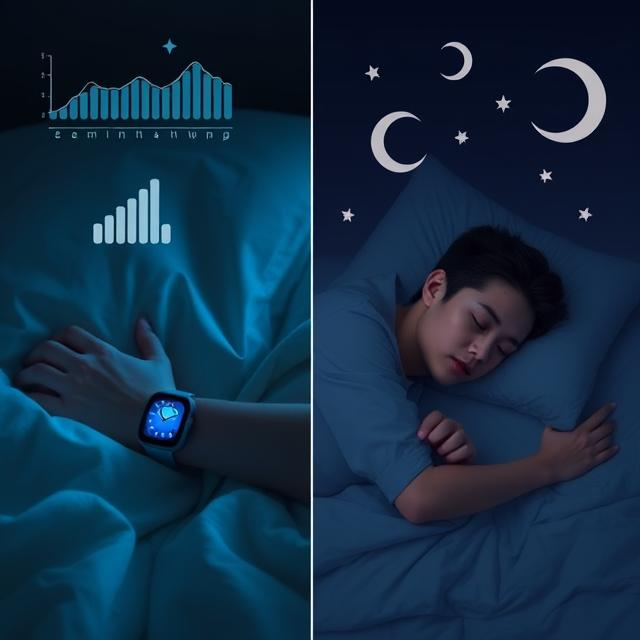
Wearable devices use small built-in sensors to observe your body’s activity through the night. They collect data continuously while you rest and present it in easy-to-read formats through their companion apps.
Here is what most modern fitness trackers and smartwatches typically measure during sleep:
- Total sleep duration — how many hours you actually slept
- Sleep stages — including light sleep, deep sleep, and REM (Rapid Eye Movement) sleep
- Nighttime awakenings — how often you woke up or stirred during the night
- Long-term sleep trends — patterns over days, weeks, or months
This data gives users a clearer picture of their sleep habits and helps them identify areas that may need attention. Popular devices like the Apple Watch, Fitbit, Samsung Galaxy Watch, and Garmin trackers all offer some version of sleep tracking.
Ways Wearables Can Help You Sleep Better
When used correctly, wearable gadgets can genuinely support healthier sleep habits. Here are the key benefits:
- Increases sleep awareness: Reviewing your sleep stats can highlight problems you may not have noticed — like consistently going to bed too late or waking up multiple times at night. Once you see the pattern, you can take steps to fix it.
- Encourages better sleep routines: Most wearables let you set sleep goals, such as targeting eight hours of rest each night. Many devices also send gentle reminders when it is time to wind down, helping you build a consistent bedtime routine.
- Monitors health signals during sleep: Some advanced wearables track your heart rate and breathing patterns while you sleep. This can flag potential health concerns like irregular heart rhythms or signs of sleep apnea — a condition where breathing repeatedly stops and starts during sleep. Early detection can prompt timely medical attention.
Potential Drawbacks of Wearing Trackers at Night
While the benefits are real, wearable gadgets also come with some downsides that are worth knowing before you start sleeping with one on your wrist.
- Obsession with sleep scores: Checking your sleep score every morning can create unnecessary anxiety. When people become too focused on achieving a perfect score, the stress itself can make falling asleep harder. This pattern is sometimes called orthosomnia — a condition where the pursuit of perfect sleep data actually worsens sleep quality.
- Data is not always accurate: Consumer-grade wearables are not medical devices. They can make errors. For example, a device may record you as asleep simply because you are lying still and not moving, even if you are wide awake. Sleep stage data in particular can be inconsistent across different devices and brands.
- Physical discomfort and disturbances: Bright screens, vibrating alerts, or an uncomfortable band on your wrist can interrupt your sleep. Some people simply find it difficult to sleep with any device strapped to their wrist throughout the night.
| Benefit | Drawback |
|---|---|
| Tracks sleep duration and stages | Data may not always be accurate |
| Encourages consistent sleep routines | Can cause anxiety over sleep scores |
| Detects potential health issues | Vibrations and alerts may disturb sleep |
| Builds long-term sleep awareness | Wrist discomfort can affect rest |
Practical Tips to Get the Most from Your Wearable at Night
If you want to use your fitness tracker or smartwatch for sleep monitoring without letting it hurt your rest, these practical steps can help:
- Turn off notifications at bedtime: Disable vibration alerts and screen wake features before you sleep to avoid unnecessary disturbances through the night.
- Use sleep data as a guide, not a goal: Treat the numbers as helpful information rather than something to stress about daily. Look for weekly trends instead of obsessing over a single night’s score.
- Choose a comfortable device: Pick a wearable with a lightweight, soft band that does not feel tight or irritating on your wrist during sleep.
- Consult a doctor when needed: If your sleep data consistently shows unusual patterns — or if you feel tired and unrested despite getting enough hours — speak to a healthcare professional. A wearable can support a medical conversation but should not replace proper diagnosis.
Wearable gadgets are a useful tool for understanding your sleep, but they work best when used with a balanced mindset. The goal is better rest, not a perfect score on an app.
Frequently Asked Questions
Yes, wearing a smartwatch to bed can help improve sleep by making you more aware of your sleep habits, encouraging consistent bedtime routines, and flagging potential health issues like sleep apnea. However, the benefit depends on how you use the data — treating it as a helpful guide rather than something to stress over.
Consumer wearables provide a general estimate of sleep patterns but are not perfectly accurate. They can sometimes confuse lying still with being asleep and may not precisely identify sleep stages like deep or REM sleep. For medical-grade sleep analysis, a clinical sleep study is recommended.
Yes, it is a good idea to disable vibration alerts and screen wake features on your fitness tracker or smartwatch before going to bed. Notifications and bright screen flashes can interrupt your sleep, especially during lighter sleep stages, reducing overall sleep quality.