DeepSeek’s new V4 Flash model costs 99% less than rivals like Claude Opus 4.8, adding fuel to the AI industry’s growing price war and commodity debate.
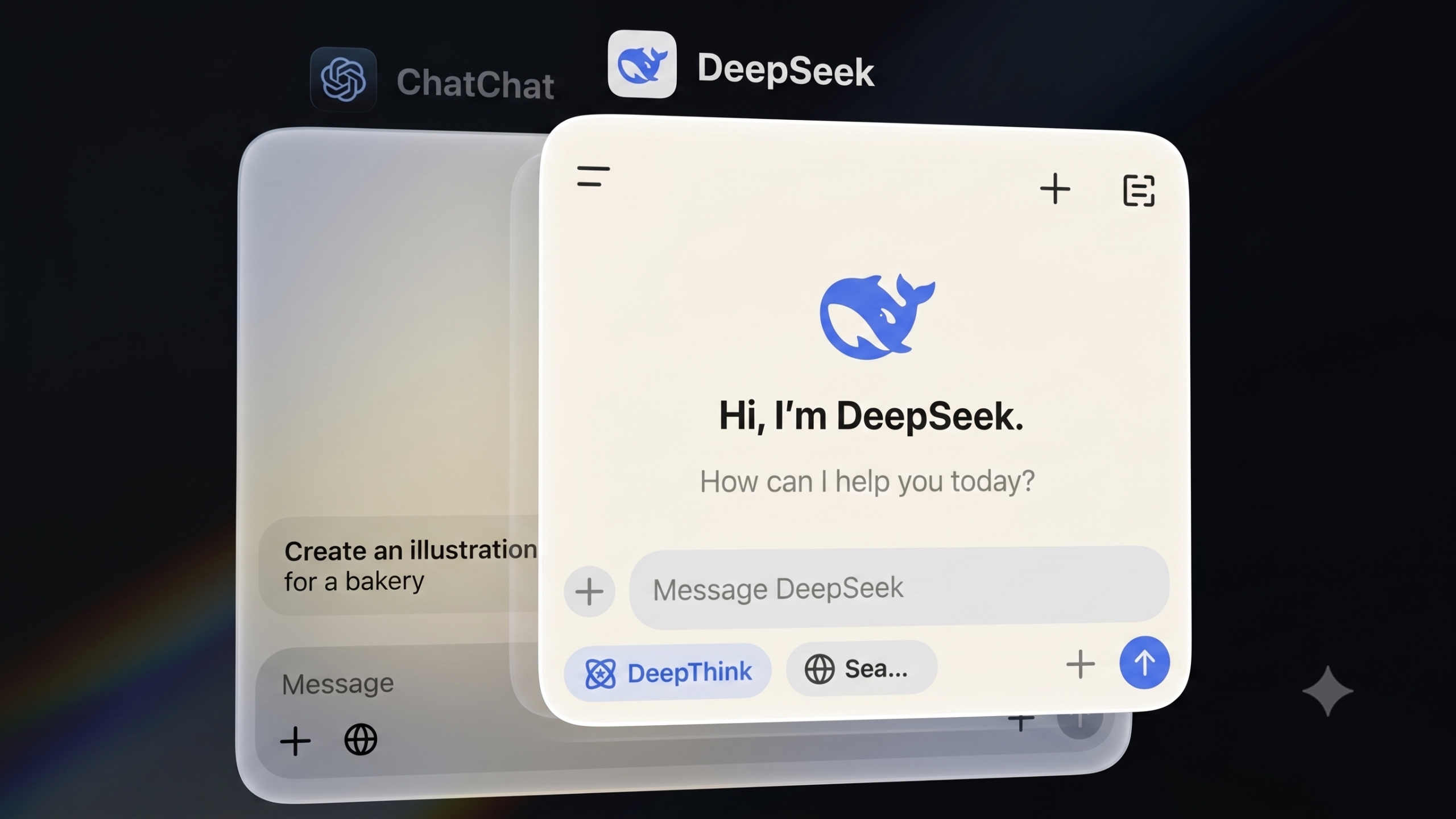
Chinese AI startup DeepSeek has launched a powerful new code-generation model called V4 Flash, adding fresh momentum to a price war that has been reshaping the global AI industry over the past few months.
What Is V4 Flash?
V4 Flash is an open-weight AI model released under the permissive MIT License, allowing free commercial use, modification, and local deployment. Its model weights are hosted on platforms such as Hugging Face.
The model uses a mixture-of-experts (MoE) architecture. Out of its 284 billion total parameters, only 13 billion are activated at a time, allowing for efficient reasoning across a context window of up to one million tokens.
Why V4 Flash’s Pricing Is Turning Heads
The model’s biggest draw is its cost. DeepSeek charges about 28 cents for the same amount of coding output that costs $25 on Anthropic’s Claude Opus 4.8, making V4 Flash roughly 99 per cent cheaper to run.
Despite the low cost, V4 Flash is said to perform close to Opus 4.8. On Arena.ai, a crowdsourced leaderboard for front-end coding, V4 Flash reportedly outperformed Opus 4.8, delivering the best performance-to-price ratio among models in its class.
| Model | Approximate Cost | License Type |
|---|---|---|
| DeepSeek V4 Flash | $0.28 | Open-weight (MIT License) |
| Anthropic Claude Opus 4.8 | $25 | Closed/Proprietary |
DeepSeek’s Growing Impact on the US Market
DeepSeek is widely known for triggering a market meltdown last January after releasing a cutting-edge AI model using far fewer resources than its US competitors. The launch of V4 Flash marks the latest move by a Chinese AI startup putting pressure on US firms amid a full-scale price war across the industry.
While tech giants like Google and Meta continue investing hundreds of billions of dollars into AI computing infrastructure, industry trends suggest that intelligence itself is becoming cheaper by the week. Analysts view V4 Flash’s debut as another sign that AI capabilities are increasingly turning into a commodity.
Is AI Becoming a Commodity?
As the performance gap between top-tier AI models narrows, many AI applications may no longer depend on a single model provider. This shift gives buyers more leverage to choose based on price rather than loyalty to one company.
- Microsoft CEO Satya Nadella has argued that AI will increasingly behave like a commodity.
- In a recent essay on X, Nadella cautioned against over-reliance on a small number of AI providers.
- He urged companies to build and retain their own AI capabilities alongside human expertise.
How Frontier Labs Are Responding
Falling prices may not necessarily hurt frontier AI labs such as OpenAI and Anthropic, as cheaper access could drive significantly higher usage. OpenAI CEO Sam Altman said on the “Invest Like the Best” podcast that increased usage could offset the need for extremely high margins to fund model training.
Last week, OpenAI cut the price of GPT-5.6 Luna, its fastest and most affordable model for high-volume tasks, by more than 80 per cent. Anthropic, meanwhile, has kept premium pricing for its top-tier Claude models, betting that developers will pay more for safety and precision.
Why This Matters
The rise of low-cost, high-performing models like V4 Flash signals a broader shift in how businesses and developers may choose AI tools going forward. As pricing pressure mounts, companies could increasingly prioritize cost-efficiency without sacrificing much in performance, reshaping competitive dynamics across the AI industry.
Frequently Asked Questions
V4 Flash is an open-weight model released under the MIT License, allowing free commercial use and local deployment, while offering coding performance close to premium models at a fraction of the cost.
DeepSeek charges about 28 cents for coding output that costs $25 on Claude Opus 4.8, making V4 Flash roughly 99 per cent cheaper to use
Not necessarily. Industry leaders like Sam Altman suggest that lower prices could drive significantly higher usage, potentially offsetting the need for high profit margins.