
How AI Tools Are Changing Content Creation and Blogging in 2025
AI tools are helping bloggers and businesses write faster, rank better on Google, and scale content production. Here is what you need to know about using them effectively.

AI tools are helping bloggers and businesses write faster, rank better on Google, and scale content production. Here is what you need to know about using them effectively.
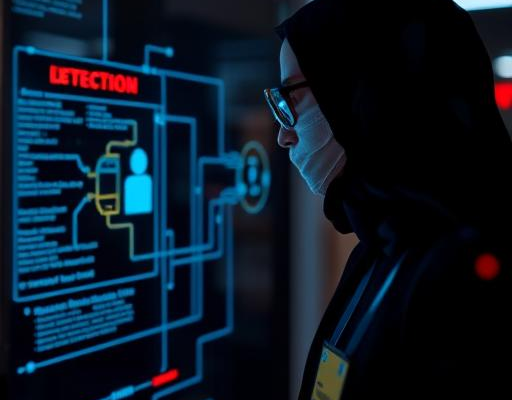
Machine learning is reshaping how businesses detect and prevent fraud. From banking to healthcare, ML models analyse patterns in real time to stop fraudulent activity before it causes harm.
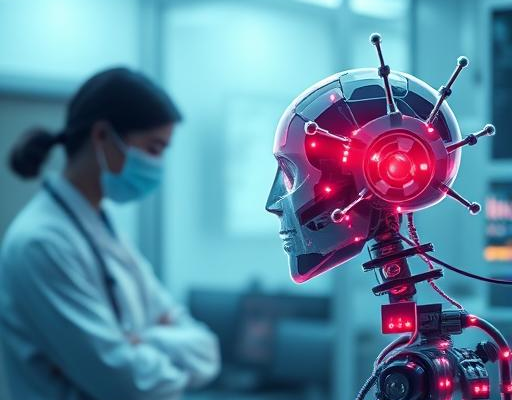
Artificial intelligence is reshaping healthcare by improving diagnosis accuracy, personalising treatments, and automating hospital tasks — but it also raises concerns around privacy, bias, and regulation.

AI is shifting from a support tool to the central control layer for apps, workflows, and devices — making systems smarter, adaptive, and capable of managing themselves.
Machine learning and deep learning are both subsets of AI but work differently. This guide breaks down their key differences, use cases, and when to choose each for your project.
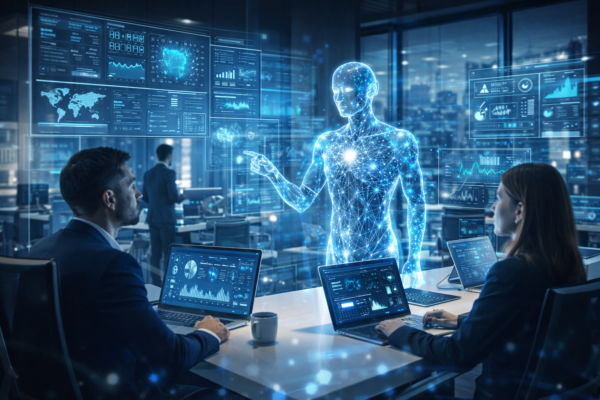
By 2026, AI agents are no longer just chatbots — they are autonomous digital workers capable of planning, reasoning, and executing complex business tasks with minimal human input.
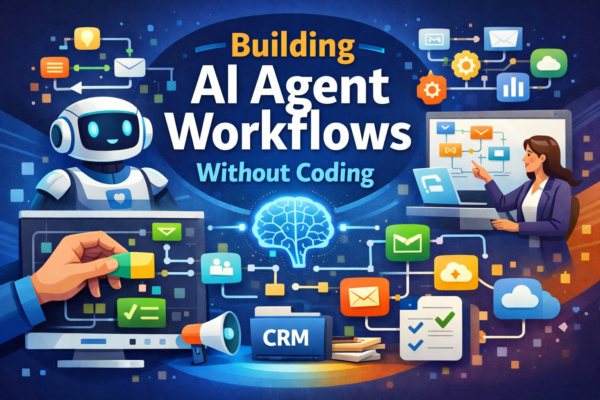
No-code AI tools now let anyone build powerful AI agent workflows without writing code. Learn how to automate tasks, connect apps, and grow your business using simple visual platforms.

Machine unlearning allows AI systems to selectively forget specific user data without retraining the entire model. Here is how it works and why it matters for data privacy.
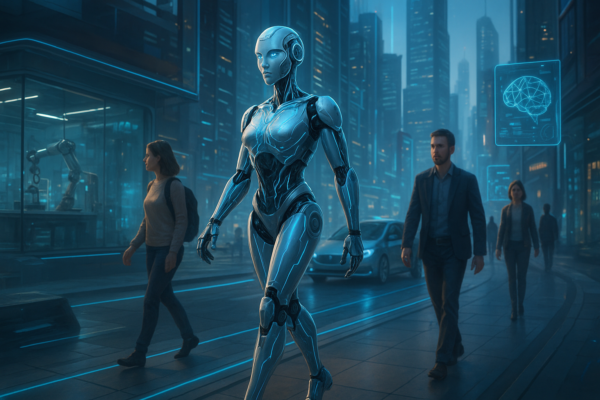
Embodied AI gives artificial intelligence a physical presence — allowing it to sense, move, and learn from the real world. Here is everything you need to know about this major AI shift.

Self-Supervised Learning is changing how AI models are trained by using raw, unlabeled data instead of manually tagged datasets. Here is how it works and why it matters.