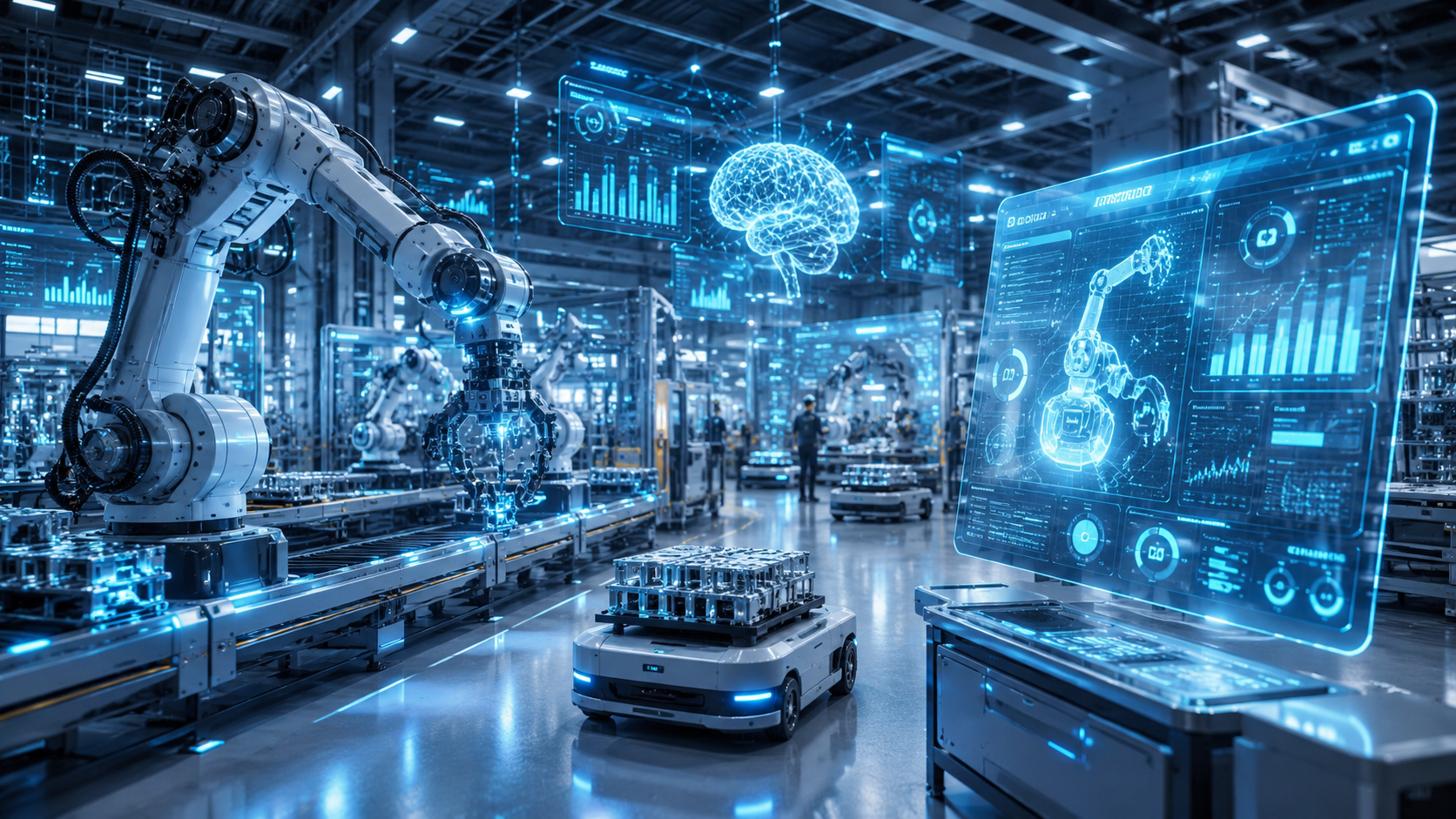
Manufacturing is changing at a rapid pace. Companies across the world are turning to intelligent technology to cut costs, boost productivity, and deliver better products. Autonomous AI Agents are at the centre of this shift — helping factories operate smarter, respond faster, and reduce human error across the production floor.
What Are Autonomous AI Agents?
Autonomous AI Agents are intelligent software systems that can observe their environment, process large volumes of data, and make decisions based on defined goals — all without constant human input.
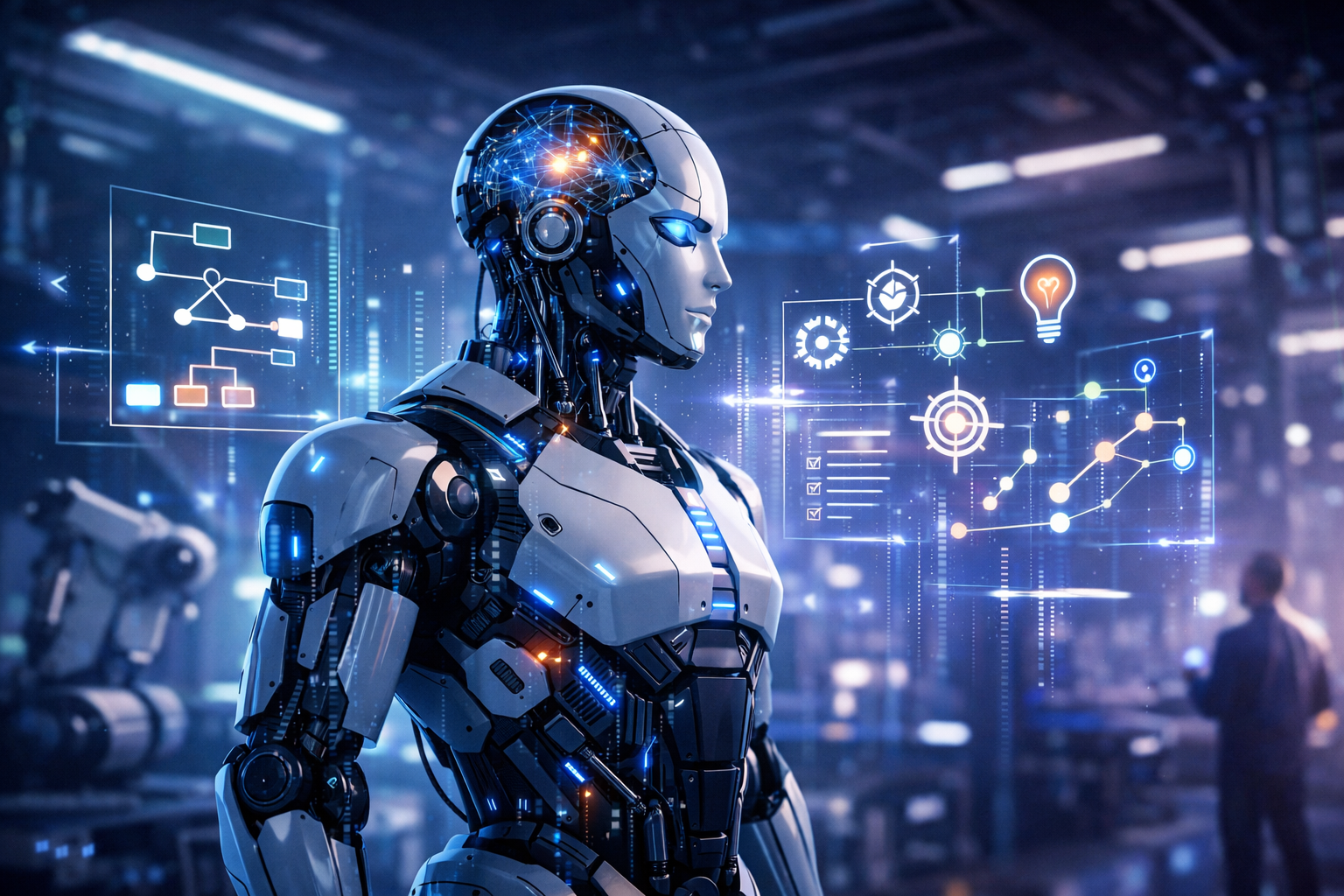
Unlike traditional automation that follows fixed, pre-programmed rules, these agents can adapt to changing conditions and improve their performance over time. Think of them as digital decision-makers embedded inside a factory’s operations.
For example, an AI agent monitoring a production line can detect unusual machine behaviour and alert the maintenance team before a breakdown occurs — saving time, money, and disruption.
Key Benefits for Manufacturers
Modern factories generate enormous amounts of data every day — from machines, sensors, production lines, and supply chain systems. AI agents help manufacturers turn this raw data into real-time insights and faster decisions.
Here is what manufacturers gain by deploying autonomous AI agents:
- Reduced production costs through smarter resource use
- Minimised downtime with predictive maintenance
- Higher product quality through automated inspection
- Better inventory management and demand forecasting
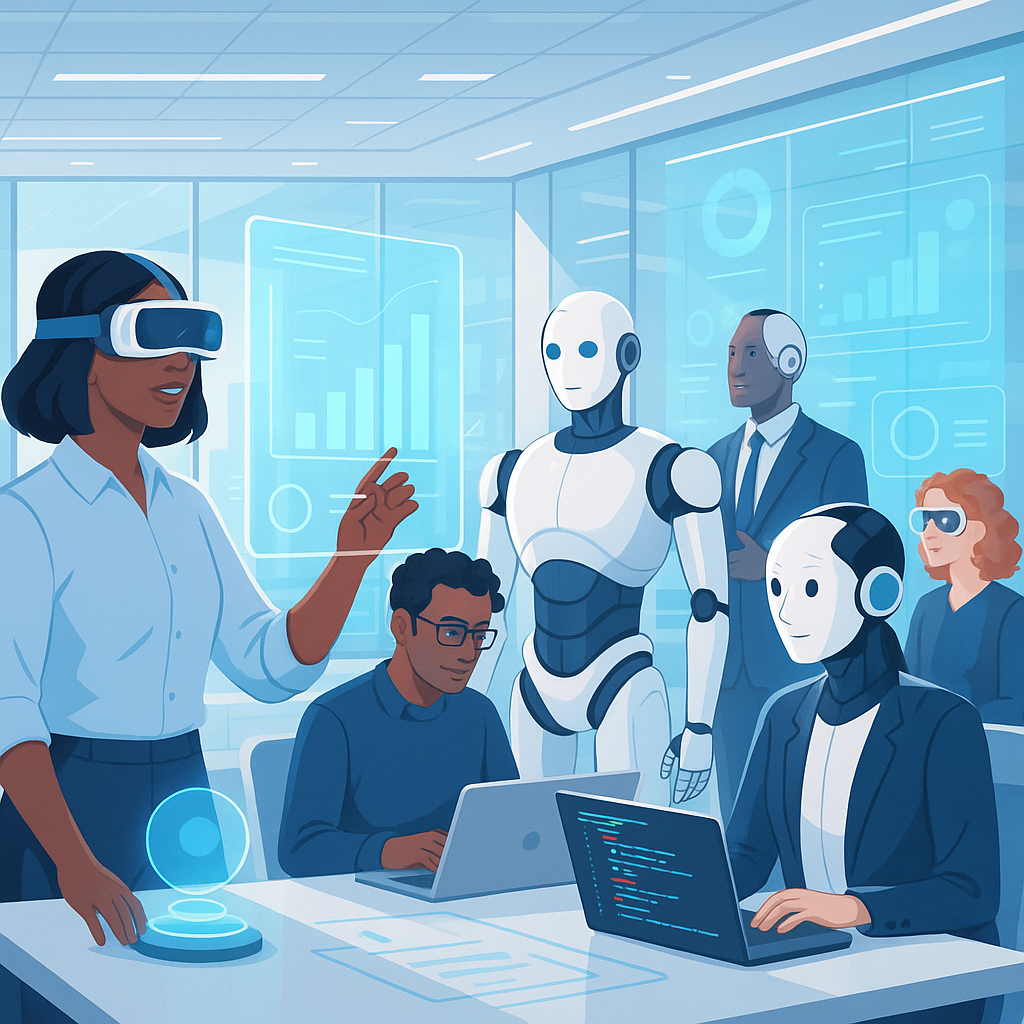
- Improved workplace safety with human-robot collaboration
- Lower energy bills through intelligent energy monitoring
- Smarter scheduling that adapts to real-time changes
Predictive Maintenance, Quality Control, and Smarter Scheduling
One of the biggest operational challenges in manufacturing is unexpected equipment failure. A sudden breakdown can halt production, delay deliveries, and cause significant financial losses. Autonomous AI agents address this through predictive maintenance — continuously monitoring machine temperature, vibration, and performance to catch warning signs early.
On the quality side, AI-powered inspection systems use cameras and computer vision to identify defects, scratches, measurement errors, and assembly issues that human inspectors might miss. Industries like automotive, electronics, and aerospace are already using these systems to maintain high accuracy standards.
Production scheduling is another area where AI agents add real value. When customer demand spikes, raw materials arrive late, or equipment needs servicing, AI agents can automatically adjust schedules, prioritise jobs, and reduce bottlenecks — helping manufacturers meet deadlines without sacrificing efficiency.
Supply Chains, Autonomous Robots, and Energy Savings
Supply chain disruptions remain a serious risk for manufacturers. AI agents help by monitoring inventory levels, forecasting demand, and flagging potential supply risks before they become costly problems.
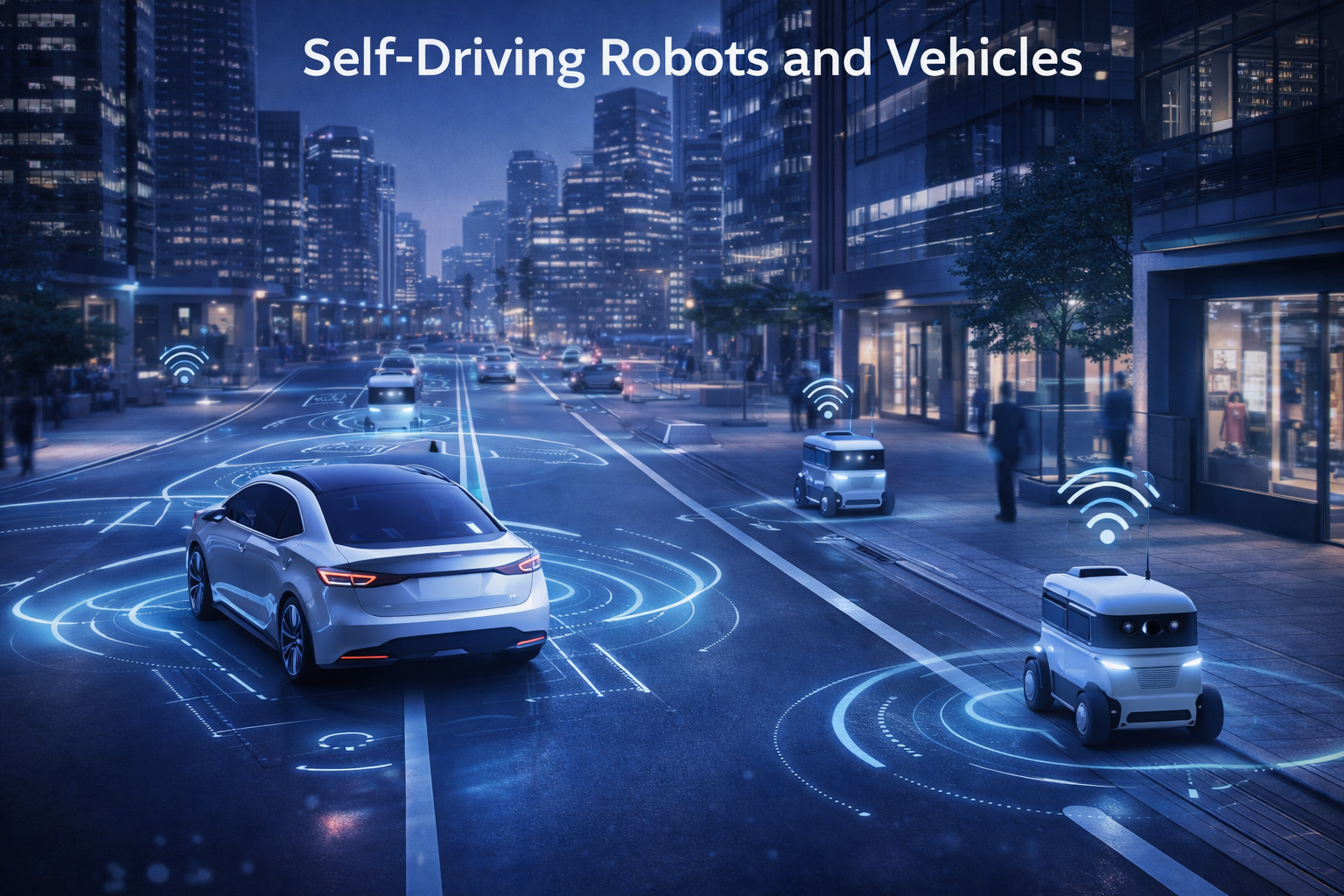
Inside the factory, Autonomous Mobile Robots (AMRs) guided by AI agents are increasingly common. These robots navigate independently, avoid obstacles, transport raw materials, deliver components to workstations, and move finished goods to storage — freeing up human workers for higher-value tasks.
Energy costs are also a major concern. AI agents can monitor energy consumption across the entire facility, recommend efficient operating schedules, and automatically reduce usage during peak periods — supporting both cost savings and sustainability targets.
Industries Using AI Agents and Challenges to Consider
Autonomous AI agents are already delivering results across multiple sectors. Here is a quick overview:
| Industry | Key AI Application |
|---|---|
| Automotive | Quality inspections, robotic assembly |
| Electronics | Precision manufacturing, defect detection |
| Aerospace | Safety monitoring, component inspection |
| Pharmaceuticals | Quality control, regulatory compliance |
| Food and Beverage | Packaging automation, production efficiency |
Despite the clear advantages, manufacturers must also prepare for real challenges. High-quality data, reliable infrastructure, and trained staff are essential for successful deployment. Cybersecurity is a critical concern, as connected factory systems must be protected from threats. Upfront investment in technology and training can be significant, though most businesses find the long-term savings and productivity gains make it worthwhile.
As AI technology becomes more accessible and affordable, adoption is expected to grow rapidly across nearly every manufacturing sector in the coming years.
Manufacturers that invest in autonomous AI agents today will be better positioned to compete as Industry 4.0 continues to reshape global production. The combination of human expertise and intelligent automation is not just a trend — it is becoming the foundation of modern manufacturing.
Frequently Asked Questions
Autonomous AI agents are intelligent software systems that monitor factory operations, process data from machines and sensors, and make decisions or take actions without constant human supervision. They can handle tasks like predictive maintenance, quality inspection, and production scheduling.
They help reduce costs by predicting equipment failures before they happen, optimising energy usage, improving production scheduling, reducing material waste through better quality control, and streamlining supply chain management — all of which lower operational expenses over time.
Industries including automotive, electronics, aerospace, pharmaceuticals, and food and beverage are already using autonomous AI agents for tasks such as robotic assembly, defect detection, safety monitoring, regulatory compliance, and packaging automation.