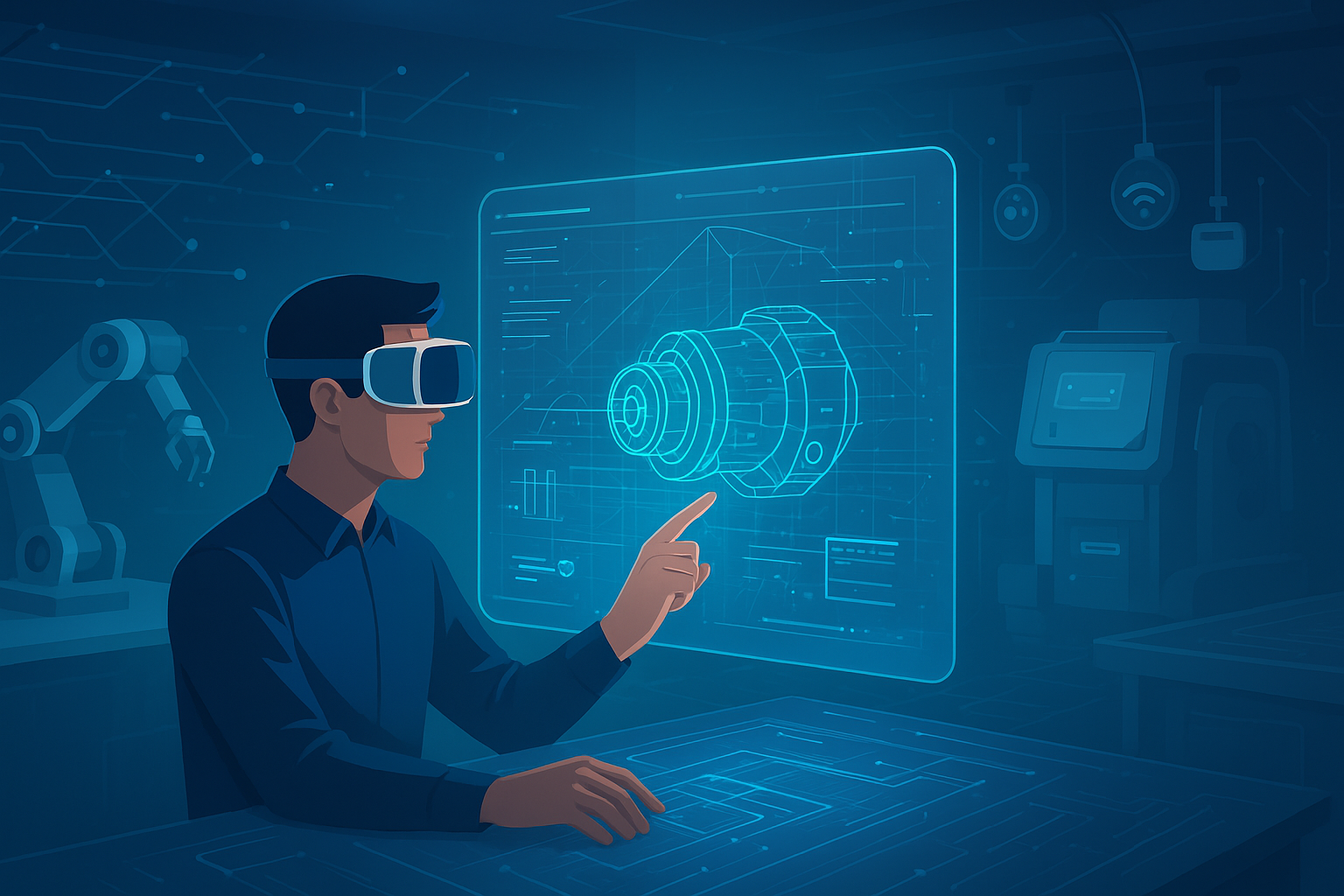

Engineering work has always demanded precision, creativity, and deep technical knowledge. But as projects grow more complex and data volumes increase, engineers are turning to AI copilots — intelligent software assistants that help them work faster, smarter, and with fewer errors. These tools are quietly reshaping how engineering teams design products, manage projects, and make decisions every day.
What Are AI Copilots and How Do They Work?
An AI copilot is an intelligent software assistant powered by artificial intelligence that helps users perform tasks, answer questions, analyze information, and automate routine work. Unlike traditional software that follows fixed commands, AI copilots understand natural language and provide context-based recommendations.
Think of it as having a knowledgeable assistant available at any moment. Engineers can ask questions, generate reports, analyze data, review designs, or get suggestions — without spending hours searching through documents or systems. The result is faster workflows and more time for the work that truly requires human expertise.
Key Ways AI Copilots Are Helping Engineers
AI copilots are being used across multiple areas of engineering work. Here is a look at where they are making the biggest difference:
- Product Design: AI copilots analyze design requirements, suggest improvements, and flag potential issues early in development. They can recommend ways to reduce material usage, improve efficiency, or enhance product performance based on existing design data.
- Technical Documentation: Instead of spending hours writing reports and maintenance guides from scratch, engineers can review and refine AI-generated content, saving time while maintaining accuracy.
- Data Analysis: Modern engineering systems generate massive amounts of data daily. AI copilots quickly analyze large datasets, identify patterns, detect unusual behavior, and highlight important trends — helping engineers make informed decisions without manually reviewing thousands of data points.
- Simulations and Testing: AI copilots help engineers set up simulations, recommend testing parameters, and interpret results more efficiently, speeding up development without compromising quality.
- Project Management: AI tools monitor project progress, identify potential delays, generate status updates, and provide recommendations for resource allocation and risk management.
- Predictive Maintenance: By monitoring equipment performance and detecting early signs of potential problems, AI copilots help organizations reduce downtime, lower repair costs, and keep operations running smoothly.
- Team Collaboration: AI copilots provide quick access to project information, technical documents, and real-time updates, helping multi-team engineering projects stay connected and aligned.
Industries Adopting AI Copilots in Engineering
AI copilots are being adopted across a wide range of engineering sectors. Here is a quick overview of where they are being applied:
| Industry | Primary Use of AI Copilots |
|---|---|
| Manufacturing | Production efficiency and quality control |
| Mechanical Engineering | Product design and development support |
| Civil Engineering | Project planning and risk analysis |
| Electrical Engineering | Faster troubleshooting and system optimization |
| Aerospace | Simulations, testing, and maintenance operations |
Challenges Organizations Should Prepare For
While AI copilots offer clear advantages, successful adoption requires careful planning. Organizations need access to reliable data, secure systems, and employees who understand how to use these tools effectively.
Common challenges include:
- Data quality and availability: AI tools perform best when fed accurate, well-organized data.
- Cybersecurity and data privacy: Protecting sensitive engineering data is critical when integrating AI systems.
- System integration: Connecting AI copilots with existing engineering software and platforms can require technical effort.
- Employee training: Teams need proper training to use AI tools confidently and correctly.
With the right strategy and support, most organizations find that the long-term productivity gains outweigh the initial investment and effort.
The Future of AI Copilots in Engineering
As artificial intelligence continues to advance, AI copilots will become even more capable of assisting engineers with complex tasks, real-time decision-making, and advanced problem-solving. The goal is not to replace engineers but to give them a powerful tool that enhances their expertise and frees them from repetitive work.
The combination of deep engineering knowledge and intelligent AI assistance will help businesses innovate faster, improve productivity, and stay competitive. Organizations that invest in AI-powered engineering tools today will be better positioned to handle the challenges and opportunities that lie ahead.
AI copilots are no longer a future concept — they are already changing how engineering teams operate, and their role will only grow stronger in the years to come.
Frequently Asked Questions
An AI copilot is an intelligent software assistant that helps engineers perform tasks like data analysis, product design, technical documentation, and project management more efficiently using artificial intelligence and natural language understanding.
AI copilots are being used across manufacturing, mechanical engineering, civil engineering, electrical engineering, and aerospace industries to improve productivity, reduce errors, and speed up project delivery.
No, AI copilots are designed to assist engineers, not replace them. They handle repetitive and time-consuming tasks so engineers can focus on creative problem-solving, innovation, and work that requires human expertise and judgment.