Ten years after launch, UPI has grown from 1.78 crore annual transactions to over 24,162 crore, is live in 11 countries, and now handles nearly half of global real-time payments.
The Unified Payments Interface has completed ten years of operation and now stands as the backbone of India’s digital payments ecosystem. Launched on 25 August 2016, the platform has recorded an almost 13,000-fold rise in annual transaction volume over the decade.
A Decade of Growth in Numbers
According to the Finance Ministry, annual transaction volume expanded from just 1.78 crore transactions in 2016-17 to more than 24,162 crore transactions in 2025-26. The value moved on a similar curve, climbing from about seven thousand crore rupees to nearly 314 lakh crore rupees over the same period.
Those two figures together tell the real story. Volume growth shows how many people adopted the system. Value growth shows that the platform is no longer limited to small payments alone.
| Metric | 2016-17 | 2025-26 |
|---|---|---|
| Annual transaction volume | 1.78 crore | Over 24,162 crore |
| Annual transaction value | About 7,000 crore rupees | Nearly 314 lakh crore rupees |
| Countries where UPI is operational | India | 11 countries |
How UPI Became a Daily Habit
UPI has emerged as one of the most successful pillars of India’s Digital Public Infrastructure. It offers an interoperable, real-time payments platform, which means users are not locked into a single bank or a single app to send or receive money.
That design choice matters. Interoperability allowed competing applications to plug into the same rails, and it allowed a customer of one bank to pay a customer of another without friction. Today it is the preferred mode of payment for millions of users and has changed the way India transacts.
The everyday impact shows up in a few clear ways:
- Speed: Payments settle in real time rather than over hours or days.
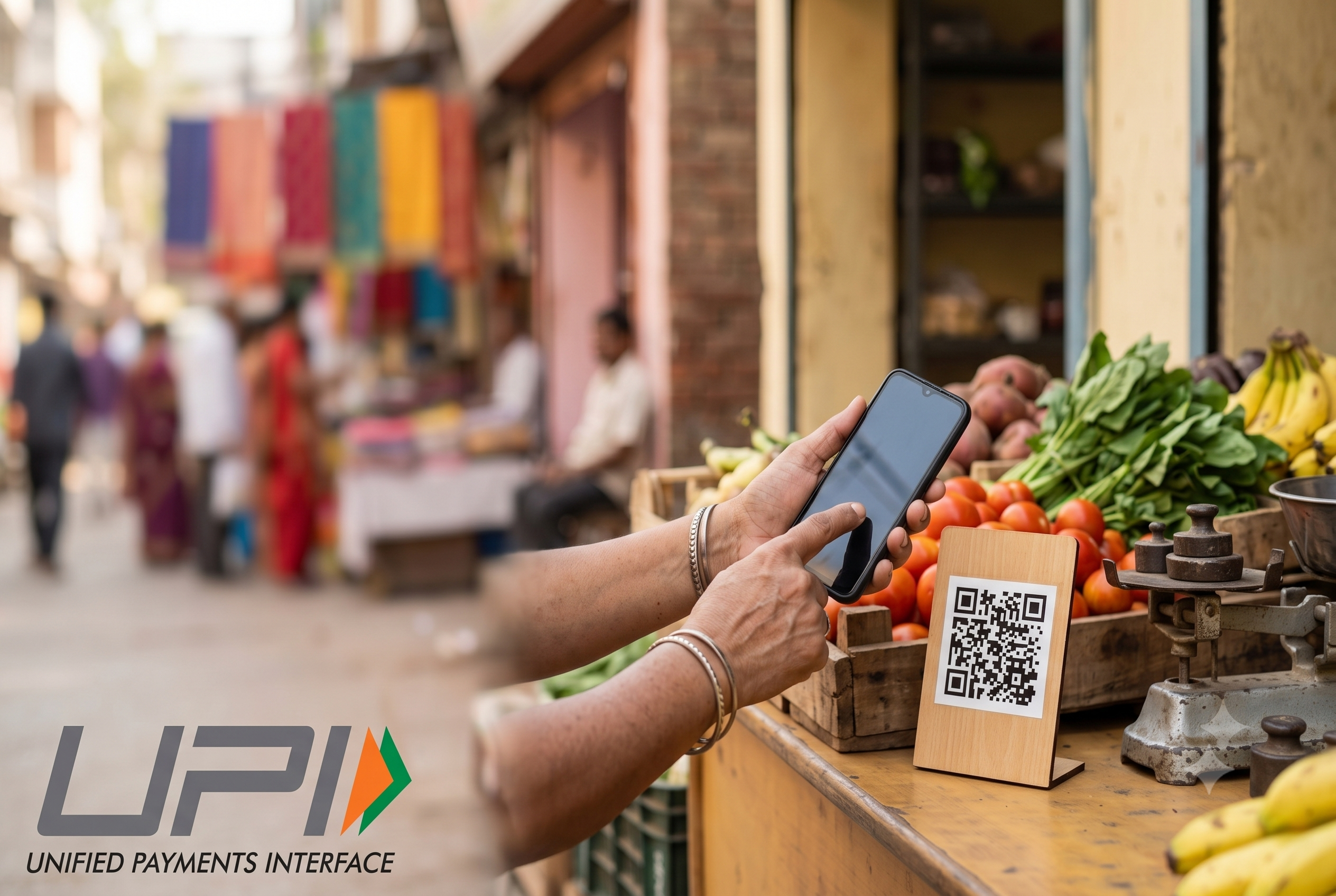
- Reach: Small merchants can accept digital payments without heavy hardware costs.
- Choice: Users can switch apps while keeping the same underlying bank account.
- Everyday use: The platform is used for routine spending, not only large transfers.
Bridging the Digital Divide
Beyond raw numbers, the platform has been positioned as a tool for inclusion. By bridging the digital divide, advancing financial inclusion and expanding access to digital financial services, UPI has empowered individuals and communities across the country and supported broad-based economic participation.
For a country with a large cash-dependent informal economy, that shift carries weight. A vendor who accepts digital payments builds a transaction record. A first-time user who sends money on a phone gains a low-cost entry point into formal financial services.
UPI Goes Global: Live in 11 Countries
The platform has also emerged as a global option for cross-border digital payments and is currently operational in 11 countries.
- United Arab Emirates
- France
- Bhutan
- Sri Lanka
- Nepal
- Singapore
- Mauritius
- Qatar
- Cambodia
- Greece
- Maldives
The list spans three broad groups. There are neighbouring countries with heavy travel and remittance links, such as Nepal, Bhutan and Sri Lanka. There are Gulf destinations with large Indian diaspora populations, including the United Arab Emirates and Qatar. And there are tourism-heavy markets in Europe and Asia, such as France, Greece, Singapore and the Maldives.
For travellers, the practical benefit is straightforward. Where the service is live at a merchant, a familiar payment method can be used abroad instead of arranging local cash or relying only on cards.
Global Recognition and Market Share
The scale and reliability achieved by the platform have drawn international attention. The International Monetary Fund has acknowledged it as the world’s largest real-time payment system. As of 2025, UPI accounts for nearly 49 per cent of global real-time payment transaction volume.
A single national system handling close to half of the world’s real-time payment transactions is unusual. It reflects both the size of India’s user base and the frequency with which those users pay digitally, including for very small amounts that in many markets would still be settled in cash.
What It Means for Users
For everyday users, the ten-year milestone translates into a few practical points worth keeping in mind:
- Digital payments are now a default option at a wide range of merchants, from large retailers to roadside sellers.
- Cross-border acceptance is expanding, but availability still depends on the country and the individual merchant.
- Because the system is interoperable, users can compare apps on features and reliability rather than being tied to one provider.
- As usage grows, basic payment hygiene matters more, including verifying the recipient before confirming a transfer.
Conclusion
Ten years on, the numbers describe a platform that moved from a pilot-scale idea to national infrastructure. Volume rose from 1.78 crore transactions a year to more than 24,162 crore, value climbed to nearly 314 lakh crore rupees, and the system now operates in 11 countries while accounting for close to half of global real-time payment volume. The next decade will test whether that scale can be extended abroad as effectively as it was built at home.
Frequently Asked Questions
UPI was launched on 25 August 2016 and has now completed ten years of operation as a real-time, interoperable payments platform.
Annual volume rose from 1.78 crore transactions in 2016-17 to over 24,162 crore in 2025-26, while value grew from about seven thousand crore rupees to nearly 314 lakh crore rupees.
UPI is operational in 11 countries: the United Arab Emirates, France, Bhutan, Sri Lanka, Nepal, Singapore, Mauritius, Qatar, Cambodia, Greece and the Maldives.