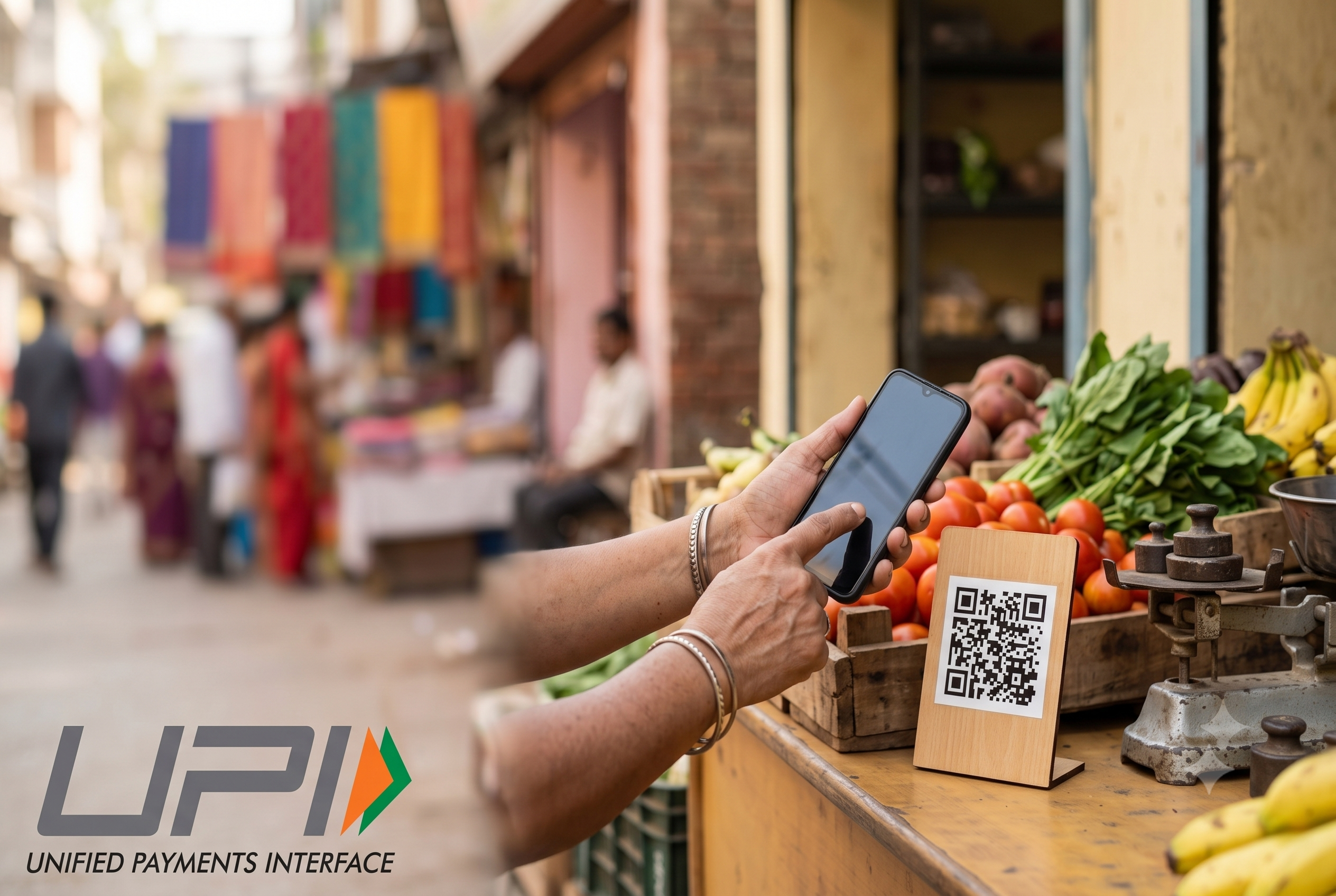

The RBI has unveiled its Payments Vision 2028, a roadmap to strengthen India’s digital payments ecosystem through user safeguards and cross-border reforms.
The Reserve Bank of India has announced its Payments Vision 2028, a roadmap designed to strengthen and expand the country’s rapidly growing digital payments ecosystem. The document outlines a set of initiatives the central bank plans to carry out by December 2028.
A Vision Built Around User Trust and Efficiency
Anchored in the theme “Shaping India’s Payment Frontier,” the Vision document centers on four broad priorities: empowering users, protecting them against fraud, improving the efficiency of cross-border payment frameworks, and promoting ease of doing business.
These priorities reflect the dual challenge facing India’s payments landscape today. The country has seen explosive growth in digital transactions over the past decade, but that growth has also widened the surface area for fraud and operational risk. The RBI’s roadmap attempts to address both sides of that equation at once.
Key Initiatives in the Roadmap
Among the specific measures outlined, the RBI has proposed developing an interoperability framework for Trade Receivables Discounting Systems, commonly known as TReDS. This platform allows businesses, particularly small and medium enterprises, to convert their trade receivables into cash by auctioning them to financiers. A more interoperable TReDS system would let different platforms and participants work together more smoothly, potentially making receivables financing faster and more accessible.
- Interoperability framework for TReDS to unify receivables financing
- A proposed “switch on/off” facility across digital payment modes
- Review of the cross-border payments ecosystem
- A shared responsibility framework for unauthorised transactions
The central bank also plans to explore a “switch on/off” facility that would apply across all digital payment modes, similar to the card controls many users already have on their debit and credit cards. This would give consumers more direct control over when their payment instruments can be used, offering an additional layer of protection against unauthorised transactions.
Strengthening Cross-Border Payment Rules
The RBI intends to review the cross-border payments ecosystem with the goal of enhancing efficiency and streamlining authorisation processes. This review will be carried out under the framework of the Payment and Settlement Systems (PSS) Act, 2007, and the Foreign Exchange Management Act (FEMA), 1999.
Cross-border payments have become an increasingly important part of India’s financial landscape as remittances, trade, and international e-commerce continue to grow. Streamlining the rules that govern these transactions could reduce friction for both individuals and businesses that regularly send or receive money across borders.
Addressing Fraud Through Shared Responsibility
One of the more notable proposals in the Vision document is a shared responsibility framework between issuing and beneficiary banks. This framework is intended to address the growing problem of unauthorised digital transactions by clarifying how liability is divided when fraud occurs.
Currently, disputes over who bears responsibility for fraudulent transactions can be a source of friction between banks and can delay resolution for affected customers. A clearer shared responsibility structure could speed up dispute resolution and encourage banks on both ends of a transaction to invest more in fraud prevention.
What This Means for Everyday Users
For the millions of Indians who now rely on digital payments for everyday transactions, the Payments Vision 2028 signals a continued push toward safer and more convenient digital finance. Key practical takeaways include:
- Potential new controls to pause or restrict digital payment methods when not in use
- Faster and more transparent handling of unauthorised transaction disputes
- Smoother cross-border payment processes for remittances and international trade
- Improved financing options for small businesses through TReDS interoperability
As with previous RBI vision documents, the success of these initiatives will depend on how effectively they are implemented across banks, payment system operators, and fintech companies over the coming years.
Frequently Asked Questions
It is a roadmap released by the Reserve Bank of India outlining initiatives to strengthen and expand India's digital payments ecosystem through December 2028.
It is a planned feature that would let users turn digital payment modes on or off, similar to existing card controls, to help reduce fraud risk.
The RBI plans to review the cross-border payments ecosystem and streamline authorisation under the PSS Act, 2007, and FEMA, 1999, to improve efficiency.