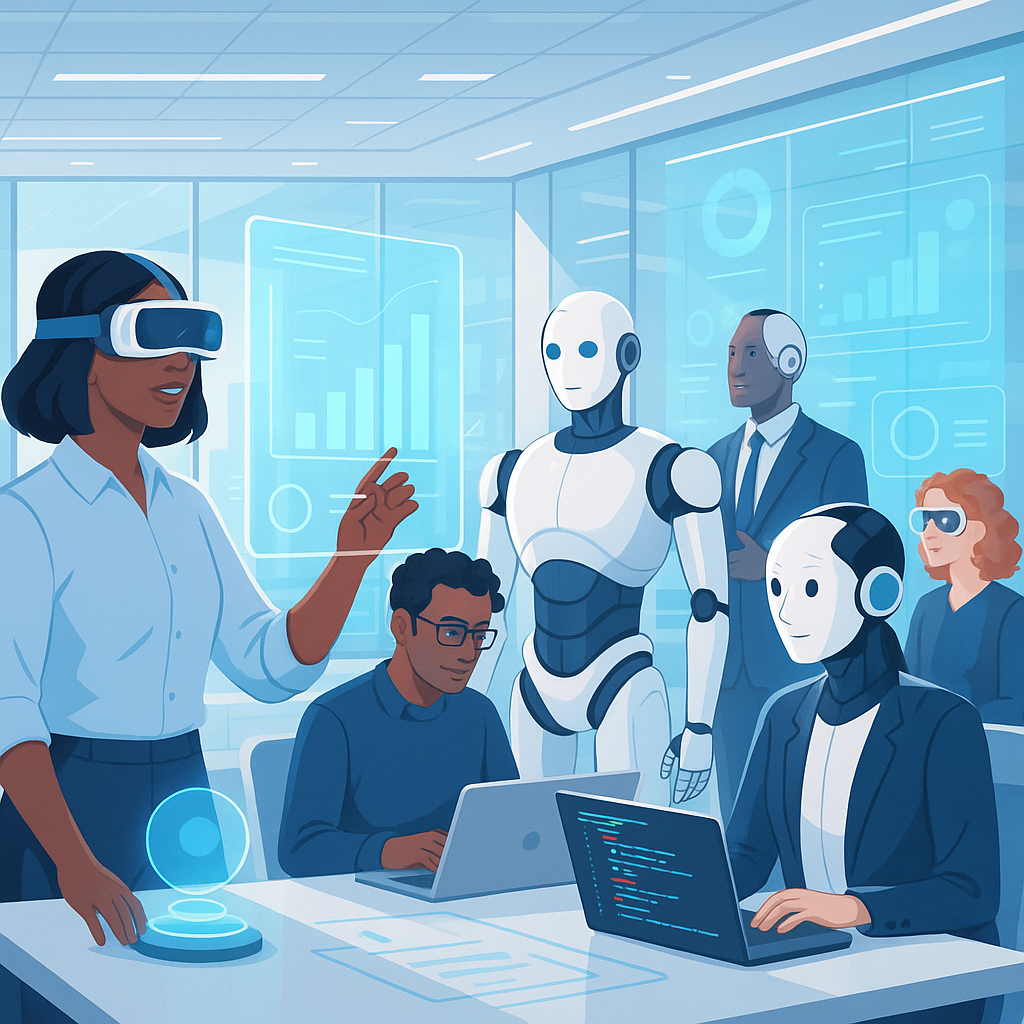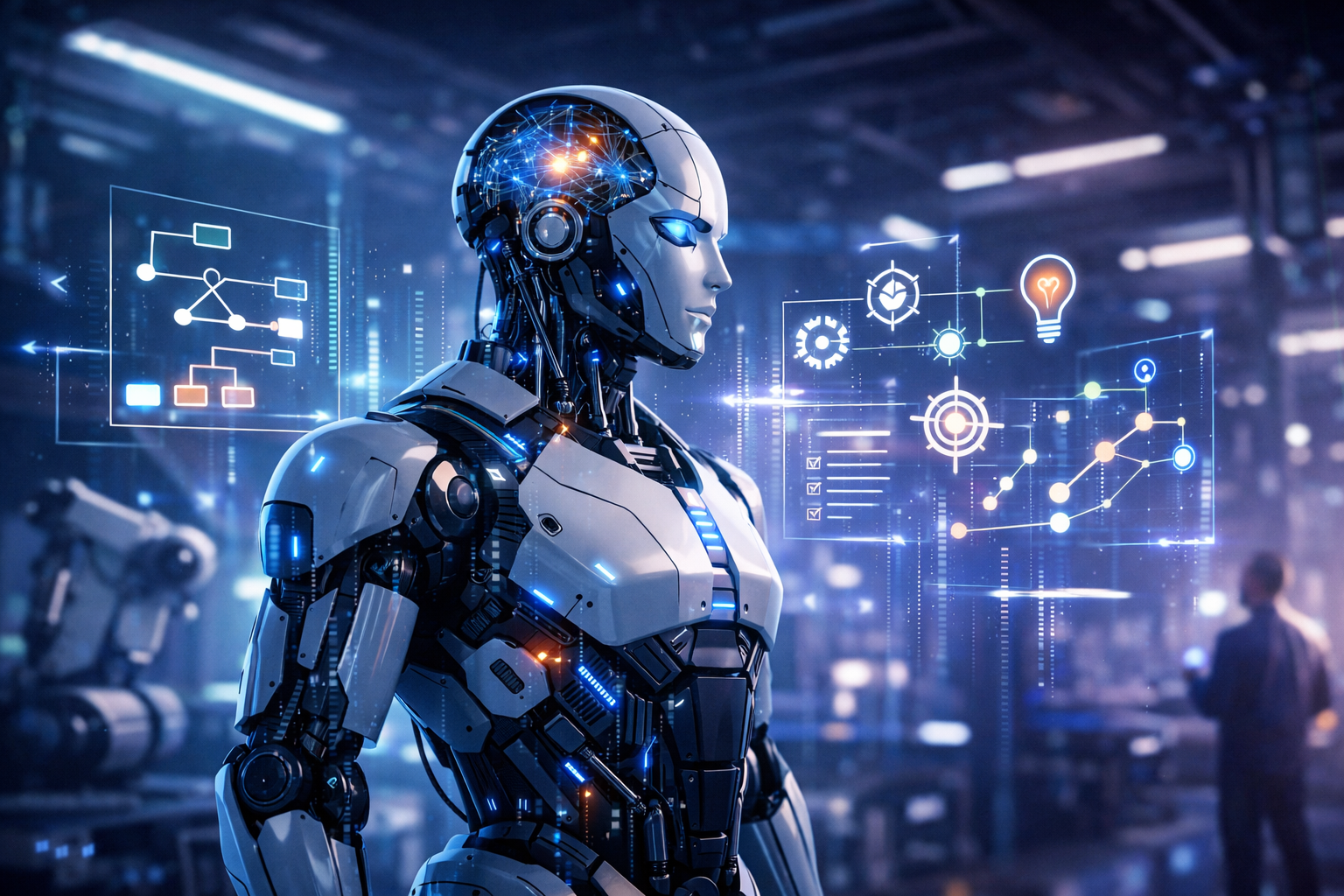
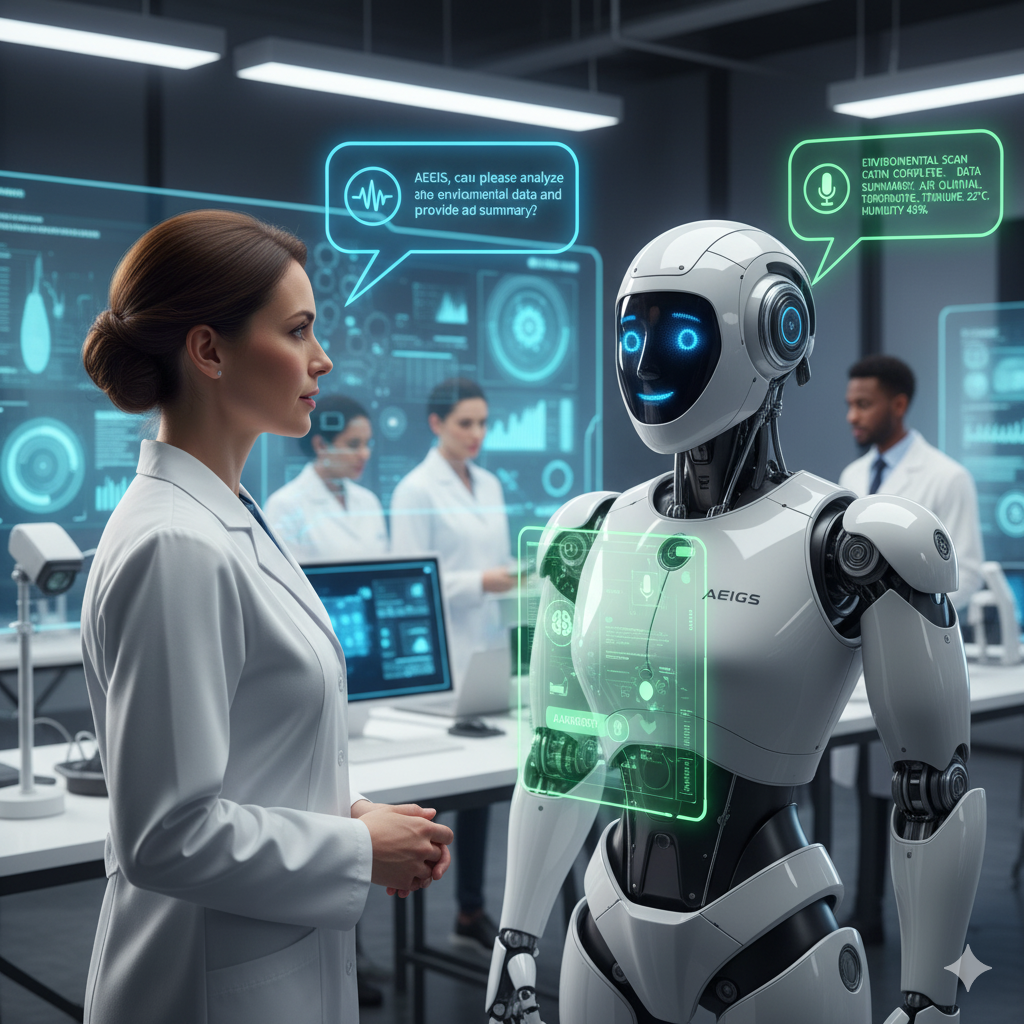
Robots are getting smarter every year, but one challenge has always stood out — how do we actually talk to them? For a long time, operating a robot meant writing code, pressing buttons, or memorising specific commands. That is changing fast. Voice and Natural Language Interfaces (NLI) now allow people to speak to robots in plain, everyday language, just like talking to another person.
What Are Voice and Natural Language Interfaces in Robots?
To understand this technology, it helps to break it into two parts:
- Voice Interface: This lets you control a robot by speaking to it, similar to how you use Alexa, Siri, or Google Assistant on your phone or smart speaker.
- Natural Language Interface (NLI): This goes a step further. It allows robots to understand everyday sentences and conversational speech, not just fixed commands.
For example, instead of saying “Move forward 5 meters”, you can simply say, “Hey robot, can you go over there and get me that box?” The robot’s system figures out what you mean and takes the right action. This shift makes human-robot communication feel natural and effortless.
Why This Technology Matters
Voice-controlled robots offer several practical benefits that go beyond convenience:
- No coding required: Anyone can operate a robot just by talking. You do not need technical training or programming knowledge.
- Hands-free operation: Workers in hospitals, warehouses, and factories can give instructions without stopping what they are doing.
- More approachable technology: Robots that respond to speech feel less intimidating and more like useful tools people actually want to use.
- Faster communication: Speaking is quicker than typing commands or navigating menus, which saves time in busy environments.
Real-World Uses of Voice-Controlled Robots
This technology is already being used across several industries:
- Healthcare: Nurses and doctors can ask robots to deliver medicines, bring supplies, or assist with patient care tasks.
- Warehouses and logistics: Workers can instruct robots to move boxes, sort items, or update inventory records.
- Homes: Domestic robots can respond to requests like “Turn off the lights” or “Bring me water.”
- Customer service: Robots placed in malls, airports, and hotels can answer visitor questions and act as interactive guides.
| Sector | Voice Robot Use Case |
|---|---|
| Healthcare | Delivering medicines and supplies on verbal request |
| Warehousing | Moving inventory and updating stock via voice commands |
| Home Automation | Controlling appliances and fetching items |
| Customer Service | Guiding visitors and answering queries in public spaces |
The Technology Behind Voice-Enabled Robots
Several technologies work together to make this possible:
- Speech Recognition: Converts spoken words into text that the robot can process.
- Natural Language Processing (NLP): Helps the robot understand the meaning behind the words, including context and intent.
- Artificial Intelligence (AI): Allows the robot to learn from past interactions and improve its responses over time.
- Edge Computing: Processes data locally on the robot rather than sending it to a remote server, which makes responses faster and more reliable.
Why Voice Interfaces for Robots Are Growing Now
Several factors are driving this growth at this particular moment:
- Voice assistants like Alexa, Siri, and ChatGPT have made people comfortable with talking to machines in daily life.
- Robots are entering homes and workplaces at a faster pace, making smooth communication a practical necessity.
- Multilingual voice recognition now allows robots to understand different accents, dialects, and languages, making them useful across diverse populations.
- Industries are under pressure to improve productivity, and voice commands save significant time compared to manual input or programming.
As these technologies mature and become more affordable, voice-enabled robots are expected to become a standard part of both professional and personal environments.
Voice and natural language interfaces are not just a technical upgrade — they represent a shift in how humans and machines relate to each other. Robots are moving from being complex tools that require expertise to operate, into responsive helpers that anyone can work with. Whether in a hospital ward, a factory floor, a shopping mall, or a living room, robots that understand human speech are set to become a familiar and useful part of everyday life. The future of robotics is not just about smarter machines — it is about machines that genuinely understand us.
Frequently Asked Questions
A Natural Language Interface (NLI) in robotics allows robots to understand and respond to everyday conversational speech, rather than requiring fixed or pre-programmed commands. It uses technologies like Natural Language Processing (NLP) and speech recognition to interpret what a person says and take the appropriate action.
Voice-controlled robots are being used in healthcare for delivering medicines and supplies, in warehouses for managing inventory, in homes for controlling appliances, and in customer service settings like malls and airports where robots guide visitors and answer questions.
Voice interfaces in robots rely on four key technologies: Speech Recognition to convert spoken words into text, Natural Language Processing (NLP) to understand meaning and intent, Artificial Intelligence to learn and improve over time, and Edge Computing to process data locally for faster responses.