
Electric vehicles have come a long way, but battery technology remains their biggest bottleneck. Long charging times, overheating risks, and limited driving range continue to frustrate buyers. Solid-state batteries are emerging as the most promising answer to these problems — and the world’s biggest automakers are betting billions on them.
What Are Solid-State Batteries?
To understand why solid-state batteries matter, it helps to know how current batteries work. Traditional lithium-ion batteries use a liquid electrolyte to carry ions between the positive and negative electrodes. This liquid is effective but comes with drawbacks — it can overheat, leak, and catch fire under stress.
Solid-state batteries replace that liquid with a solid electrolyte — typically made from ceramic, sulfide, or polymer materials. This single change delivers a cascade of improvements:
- More energy stored in a smaller, lighter package
- Lower risk of fire or thermal runaway
- Better performance in extreme temperatures
- Longer battery lifespan due to reduced chemical degradation
Companies like Toyota, Samsung, and QuantumScape are among the leading players pouring resources into solid-state research and development.
Why Solid-State Batteries Matter for EV Buyers
Range anxiety — the fear of running out of charge before reaching a destination — is one of the top reasons people hesitate to buy electric vehicles. Solid-state batteries could potentially double the energy density of current lithium-ion technology, allowing cars to travel significantly farther on a single charge without increasing battery size or weight.
Charging speed is another critical factor. Engineers believe solid-state designs could bring EV charging times much closer to the few minutes it takes to refuel a petrol car — a shift that would make electric vehicles far more practical for everyday use.
Safety is equally significant. Removing flammable liquid electrolytes reduces the risk of battery fires, which have been a concern in high-profile EV incidents. A safer battery also means lower insurance costs and greater consumer confidence.
Solid-State vs Lithium-Ion: A Quick Comparison
| Feature | Lithium-Ion Battery | Solid-State Battery |
|---|---|---|
| Electrolyte Type | Liquid | Solid |
| Energy Density | Moderate | Potentially double |
| Fire Risk | Higher | Significantly lower |
| Charging Speed | Moderate | Potentially much faster |
| Battery Lifespan | Good | Expected to be longer |
| Manufacturing Cost | Established and lower | Currently high |
The Engineering Challenges Holding It Back
Despite the clear advantages, solid-state batteries are not yet available in mainstream vehicles. Several serious engineering hurdles remain.
The biggest challenge is manufacturing at scale. Solid electrolytes must maintain perfect contact with electrodes at all times. Even microscopic structural gaps or cracks can reduce efficiency and shorten battery life. Producing millions of these batteries consistently and affordably is a problem engineers are still working to solve.
Material costs are also a concern. Advanced ceramic and sulfide-based electrolytes are expensive to produce. BMW and Volkswagen are actively collaborating with battery startups to bring these costs down and develop scalable production methods.
The goal is to make solid-state batteries cost-competitive with lithium-ion — the same way lithium-ion once became affordable enough for mass-market use.
Applications Beyond Electric Cars
The impact of solid-state batteries will extend well beyond the automotive sector. Their high energy density, safety profile, and long lifespan make them attractive for a wide range of industries:
- Consumer electronics — smartphones and laptops with significantly longer battery life
- Drones and electric aircraft — lighter batteries enabling longer flight times
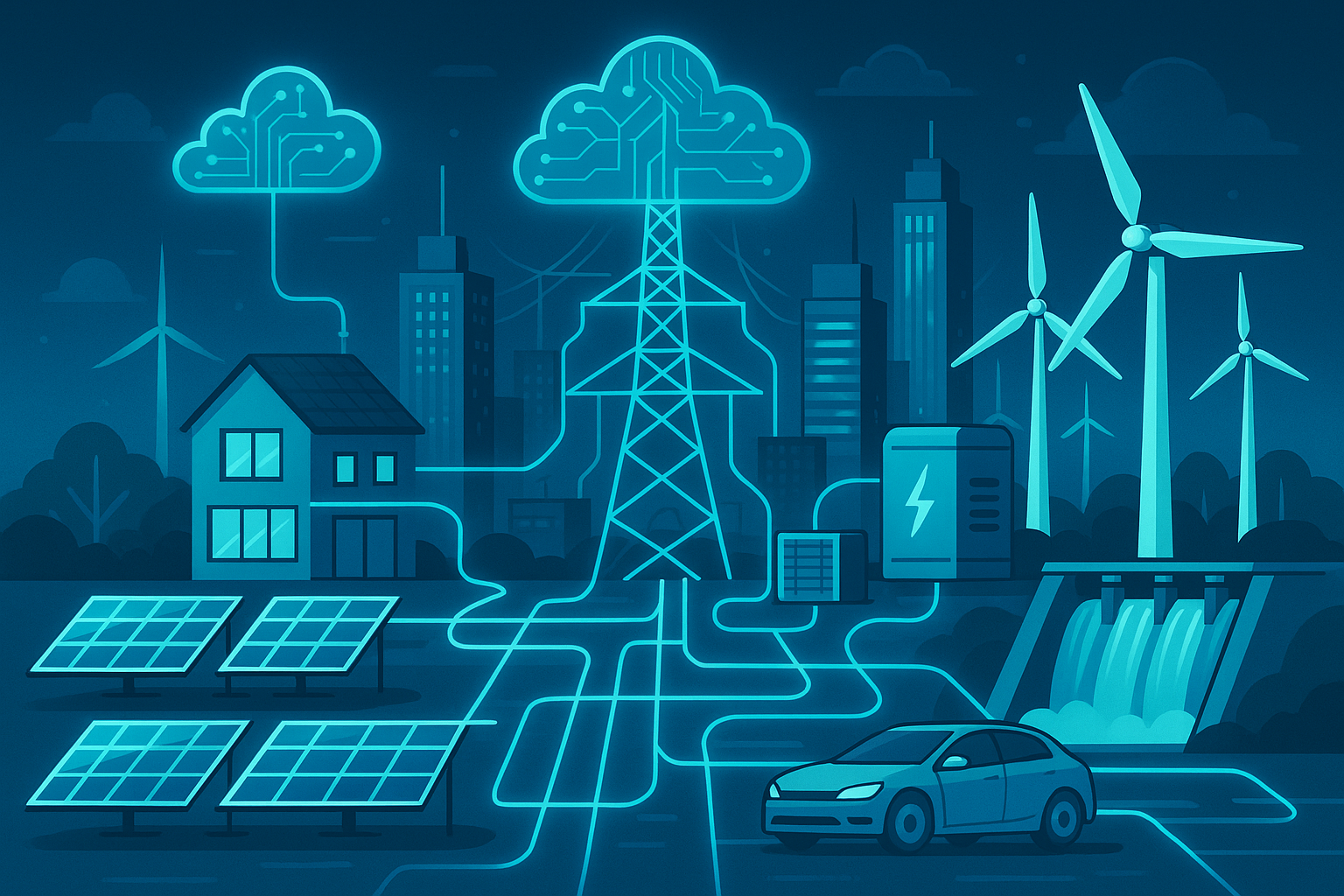
- Grid-level energy storage — safer storage for solar and wind power
- Advanced robotics — more efficient power for industrial and medical robots
As renewable energy grows globally, the need for reliable and safe energy storage becomes critical. Solid-state technology could play a central role in stabilising power grids that depend on intermittent sources like solar and wind.
The Global Race to Lead Battery Innovation
Nations across Asia, Europe, and North America are treating battery technology as a strategic priority. Governments are funding research programmes and offering incentives to build domestic battery supply chains.
The logic is straightforward: the country or company that masters solid-state battery production first could dominate the electric vehicle market for decades. This is not just a business competition — it is about energy independence and long-term industrial strength.
Experts predict that early commercial electric vehicles using solid-state batteries could begin appearing before the end of this decade. Initial models are likely to be premium vehicles with higher price tags. But as production scales up, costs are expected to fall — making the technology accessible to a broader range of buyers over time.
Solid-state batteries represent a genuine shift in how we store and use energy. With sustained investment and continued engineering progress, they could soon move from laboratory promise to everyday reality — and in doing so, reshape transportation and clean energy for generations to come.
Frequently Asked Questions
Solid-state batteries use a solid electrolyte instead of a liquid one, which makes them safer, more energy-dense, and potentially longer-lasting. They reduce the risk of fire, can store more energy in less space, and may support faster charging compared to traditional lithium-ion batteries.
Experts predict that early commercial electric vehicles using solid-state batteries could begin appearing before the end of this decade. Initial models are expected to be premium vehicles, with wider availability as manufacturing costs come down over time.
Toyota, Samsung, and QuantumScape are among the most prominent companies investing in solid-state battery research. Automakers like BMW and Volkswagen are also collaborating with battery startups to overcome manufacturing challenges and scale production.