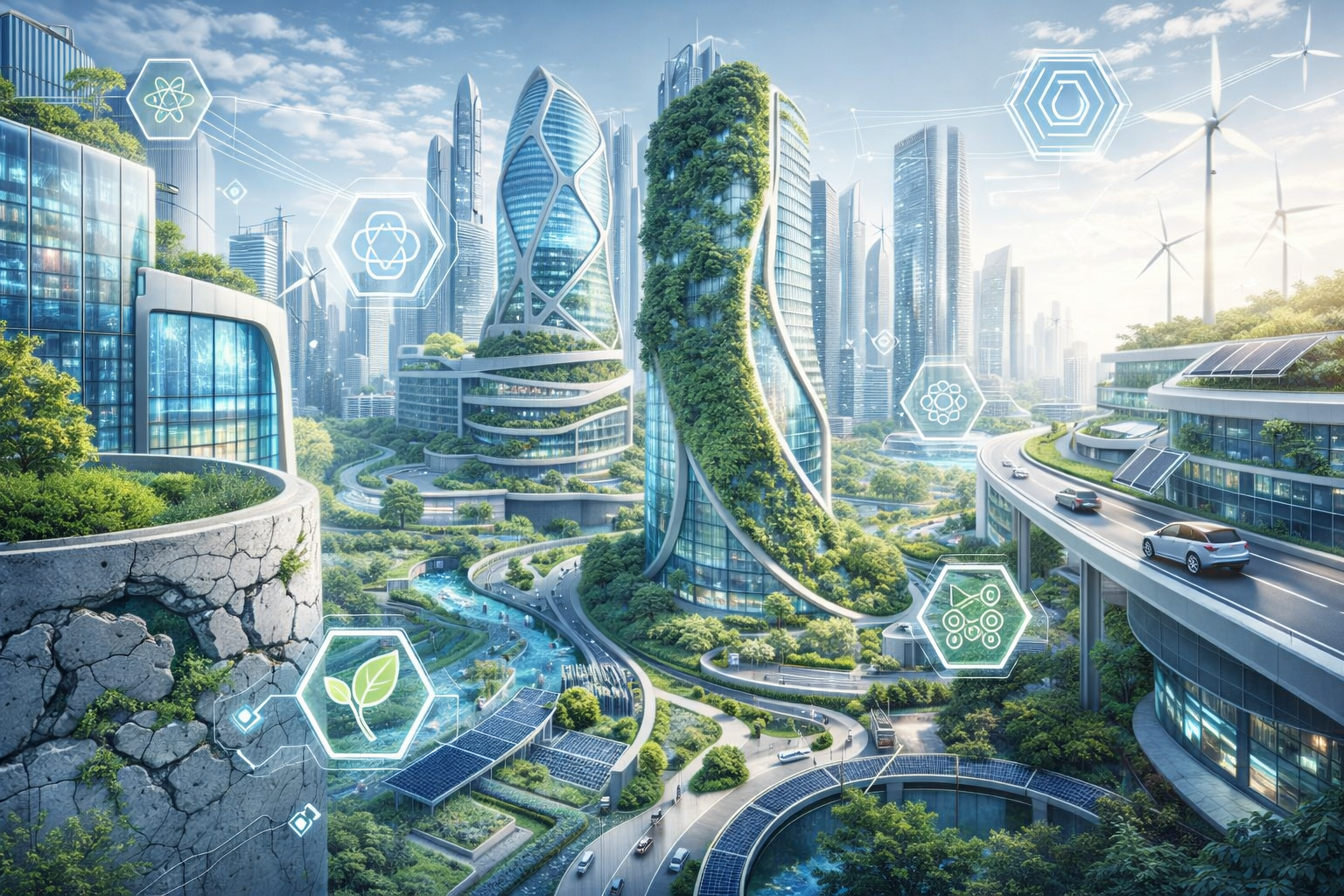

Cities across the world are growing at a rapid pace. With rising populations, increasing traffic, and growing environmental pressures, urban areas face serious challenges. Smart urban systems and resilient city planning offer a practical path forward — using technology to make cities safer, more efficient, and better prepared for the unexpected.
What Are Smart Urban Systems?
Smart urban systems are technology-driven solutions designed to help cities operate more effectively. These systems collect real-time data from across the city and use it to improve daily operations and long-term planning.
For example, sensors installed on roads can monitor traffic flow and reduce congestion. Smart meters track electricity and water consumption to reduce waste. Surveillance systems integrated with intelligent software can improve public safety. All this data helps city administrators make faster, more informed decisions.
- Traffic management: Intelligent signal systems reduce road congestion and travel time.
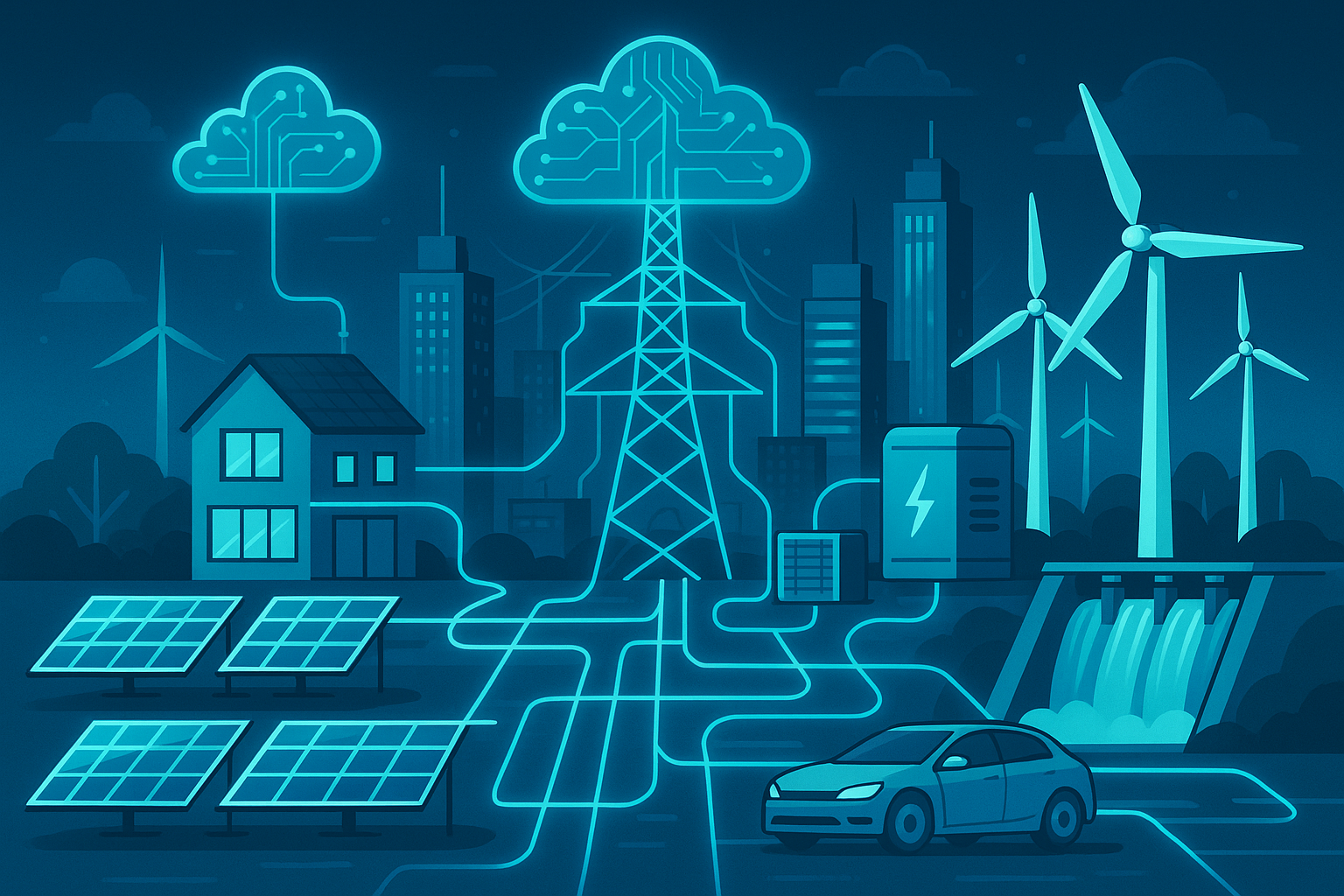
- Energy monitoring: Smart grids track and optimize power usage across buildings and utilities.
- Waste management: Sensor-equipped bins alert collection teams only when full, saving fuel and time.
- Water systems: Smart meters detect leaks early and reduce water loss.
The core objective is straightforward — improve efficiency, reduce resource waste, and raise the quality of life for every citizen.
What Makes a City Truly Resilient?
A resilient city is one that can absorb shocks — whether from natural disasters, infrastructure failures, or cyberattacks — and recover quickly without long-term damage to its people or systems.
Resilience is built through preparation and smart design. Early warning systems can alert residents before floods or earthquakes strike. Backup power infrastructure keeps critical services like hospitals and emergency response running during outages. Strong cybersecurity frameworks protect city data and connected systems from digital threats.
Resilient cities do not just react to problems — they anticipate them. This forward-thinking approach is what separates a truly future-ready city from one that simply manages crises after they occur.
Key Technologies Powering Smart and Resilient Cities
Several advanced technologies work together to build smarter, stronger urban environments.
| Technology | Role in Smart Cities |
|---|---|
| Artificial Intelligence (AI) | Analyzes city data, controls traffic signals, predicts maintenance needs |
| Internet of Things (IoT) | Connects sensors across roads, buildings, and utilities for real-time data |
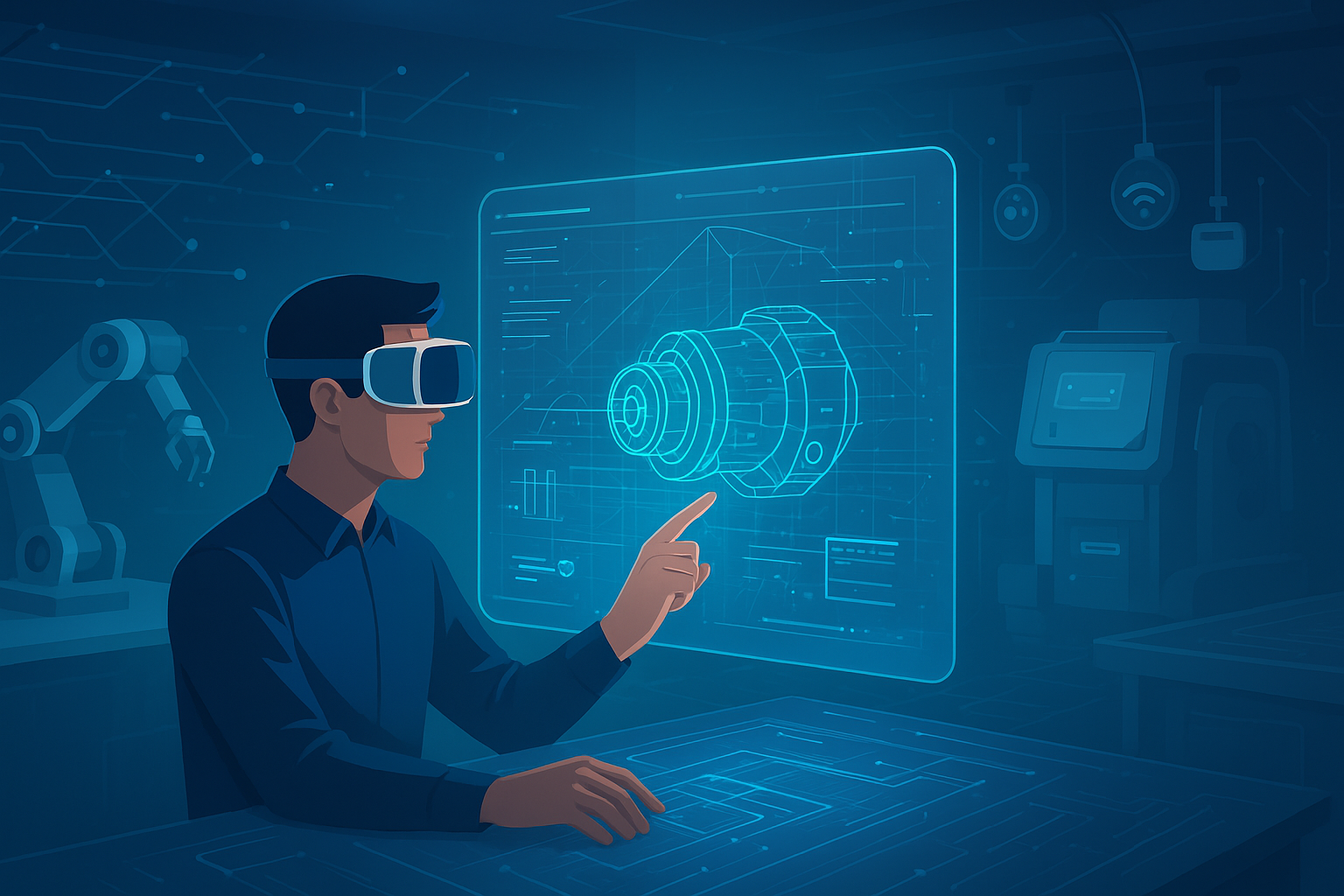
| Digital Twin Technology | Creates virtual city models to test plans before real-world implementation |
| Smart Energy Systems | Solar panels and microgrids reduce dependence on traditional power sources |
| Edge Computing | Processes data closer to the source for faster response times |
Together, these technologies create an interconnected urban ecosystem where infrastructure, services, and citizens are all better connected and supported.
Real-World Examples of Smart City Development
Smart and resilient city projects are already underway in several parts of the world, offering valuable lessons for others to follow.
- Singapore has deployed smart traffic control systems and digital governance platforms that have significantly improved city management and citizen services.
- United Arab Emirates is investing heavily in AI-based urban planning and sustainable infrastructure, with Dubai leading several large-scale smart city initiatives.
- European cities such as Amsterdam and Copenhagen are adopting green energy systems, smart public transport networks, and climate-adaptive urban design.
These examples confirm that smart urban development is not a distant concept — it is actively reshaping cities right now.
Challenges Cities Must Overcome
Despite the clear benefits, building smart and resilient cities comes with real obstacles that planners and governments must address carefully.
- High costs: Installing smart infrastructure requires significant upfront investment, which can be difficult for developing cities.
- Data privacy: Smart systems collect vast amounts of personal and behavioral data, raising serious concerns about how that information is stored and used.
- Cybersecurity risks: As more systems become digitally connected, the risk of cyberattacks on critical infrastructure increases.
- Legacy infrastructure: Many cities must upgrade or replace outdated systems before modern technologies can be integrated effectively.
Addressing these challenges requires strong policy frameworks, public-private partnerships, and a commitment to inclusive, transparent governance.
The Future of Smart Urban Engineering
The next phase of urban development looks even more advanced. Autonomous public transportation, AI-driven governance, and high-speed connectivity technologies like 6G are expected to further transform how cities function.
Climate-adaptive buildings designed to withstand extreme weather, combined with large-scale renewable energy systems, will make cities more environmentally responsible. In the years ahead, cities may operate as self-learning systems — automatically adjusting traffic flow, energy distribution, and public services based on live data without human intervention.
Urban planners, engineers, and policymakers who invest in these technologies today are laying the foundation for cities that will serve their residents far more effectively in the decades to come.
Smart urban systems and resilient city design are no longer optional extras — they are essential tools for managing the realities of modern urban life. By combining technologies like IoT, digital twins, AI, and renewable energy, cities can become cleaner, safer, and more prepared for whatever challenges lie ahead. The goal is not just a smarter city, but a stronger one.
Frequently Asked Questions
A smart city uses technology like IoT, AI, and data analytics to improve urban services and efficiency. A resilient city is designed to withstand and recover quickly from disruptions such as natural disasters, power failures, or cyberattacks. The best modern cities aim to be both smart and resilient.
Key technologies include the Internet of Things (IoT) for real-time data collection, Artificial Intelligence for data analysis and decision-making, digital twin technology for virtual city planning, smart energy systems like solar panels and microgrids, and edge computing for faster local data processing.
The main challenges include high infrastructure costs, data privacy concerns from large-scale data collection, increasing cybersecurity risks as systems become more connected, and the need to upgrade outdated legacy infrastructure to support modern technologies.