Smart glasses are back — and this time, they mean business. After early products like Google Glass stumbled over privacy backlash and clunky designs, a new wave of augmented reality eyewear is arriving with better technology, sleeker designs, and real-world usefulness. Companies like Meta Platforms, Apple, and Xreal are leading this charge, betting that AR glasses will become as common as smartphones.
What Makes Smart Glasses 2.0 Different?
The first generation of smart glasses felt like a science experiment. They were bulky, expensive, and made people around you uncomfortable. The new generation is a different story entirely.
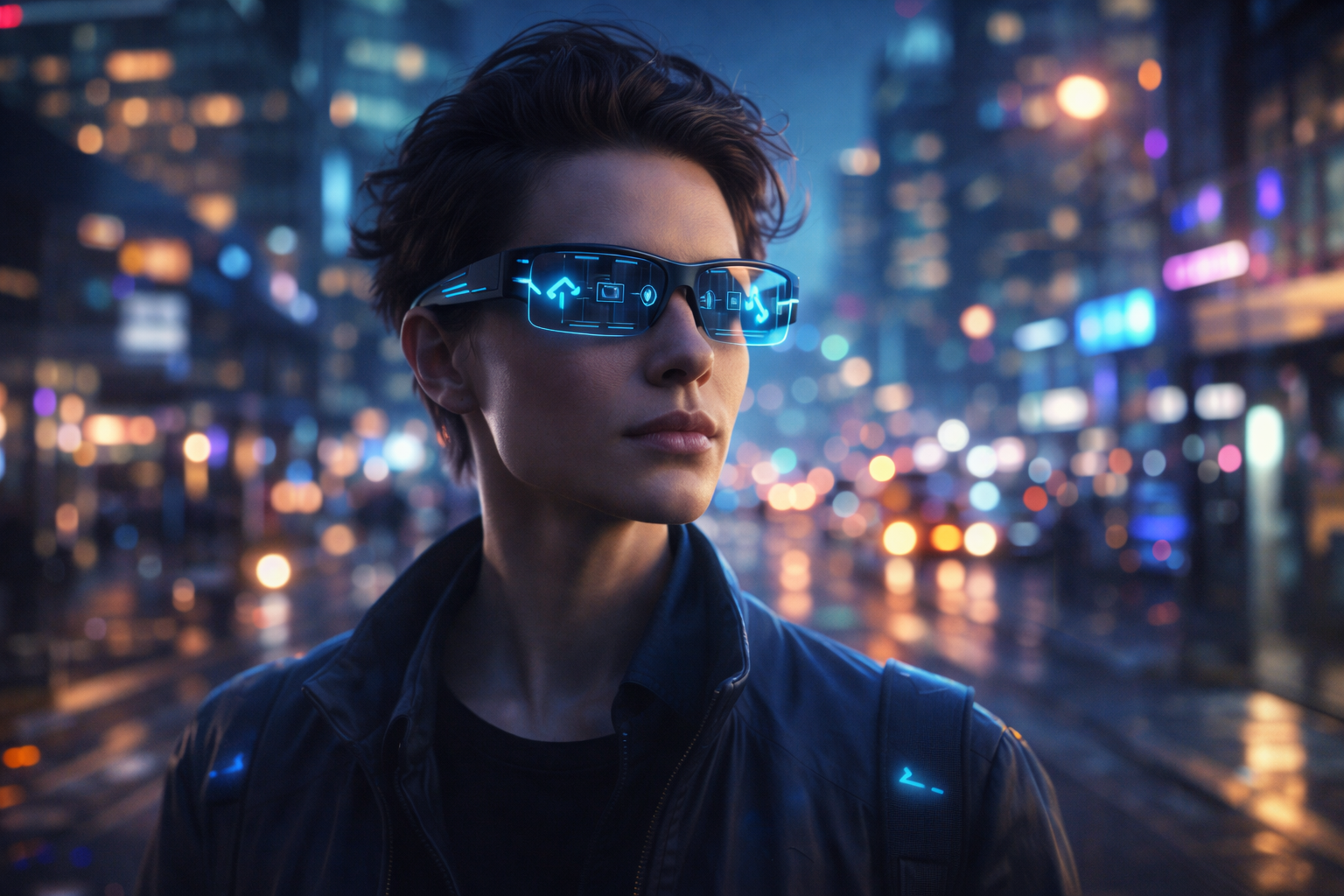
Modern AR glasses are designed to look and feel like regular eyewear. They pack a surprising amount of technology into a lightweight frame, including:
- Augmented reality (AR) displays that overlay digital information on the real world
- Voice-controlled AI assistants that respond to natural language commands
- Built-in cameras and microphones for hands-free capture and communication
- Open-ear audio systems that let you hear your surroundings while listening to audio
- Real-time data overlays for navigation, translation, and contextual information
The goal is simple: give you useful information without making you look at a screen.
Key Features That Make AR Glasses Useful Right Now
The practical features of next-generation smart glasses go well beyond novelty. Here is what they can actually do:
- Real-Time Navigation: Turn-by-turn directions appear directly in your field of vision. You no longer need to glance at your phone while walking or driving.
- AI-Powered Assistance: Integrated AI can answer questions, translate languages on the spot, summarize conversations, and provide context about what you are looking at.
- Hands-Free Communication: Make calls, send messages, and take photos without ever touching your phone.
- Immersive Media Viewing: Some AR glasses project virtual screens that appear as large floating displays, making them useful for watching content or working on the go.
How Smart Glasses Actually Work
The technology inside AR glasses is more sophisticated than it looks. Most devices use micro-projectors or waveguide displays to project digital images onto transparent lenses. This allows digital content to appear layered over the real world without blocking your natural vision.
Tiny processors inside the frame handle:
- Image rendering and display
- Voice recognition and command processing
- Sensor data from cameras and motion detectors
For more demanding tasks, the glasses connect to a paired smartphone or cloud servers. This keeps the hardware light while still delivering powerful AI capabilities.
| Feature | First-Gen Smart Glasses | Smart Glasses 2.0 |
|---|---|---|
| Design | Bulky, noticeable | Slim, close to regular eyewear |
| AI Integration | Minimal | Deep, voice-controlled AI |
| Display | Basic or none | Waveguide AR overlays |
| Use Cases | Limited | Navigation, health, work, media |
| Social Acceptance | Low | Improving |
Where Are Smart Glasses Being Used Today?
AR eyewear is already finding its place across several industries and everyday scenarios:
- Travel and Navigation: Hands-free directions for tourists and daily commuters
- Industrial and Field Service: Technicians use AR overlays for equipment repair and maintenance guidance
- Medical Training: Doctors and students use AR glasses to visualize anatomy and procedures
- Remote Collaboration: Teams in different locations can share a live visual feed and work together in real time
- Education: Interactive learning experiences that bring lessons to life
- Fitness Coaching: Real-time performance data and coaching cues during workouts
Challenges That Still Hold Smart Glasses Back
Despite the progress, smart glasses are not without their problems. Several hurdles still need to be cleared before they go truly mainstream:
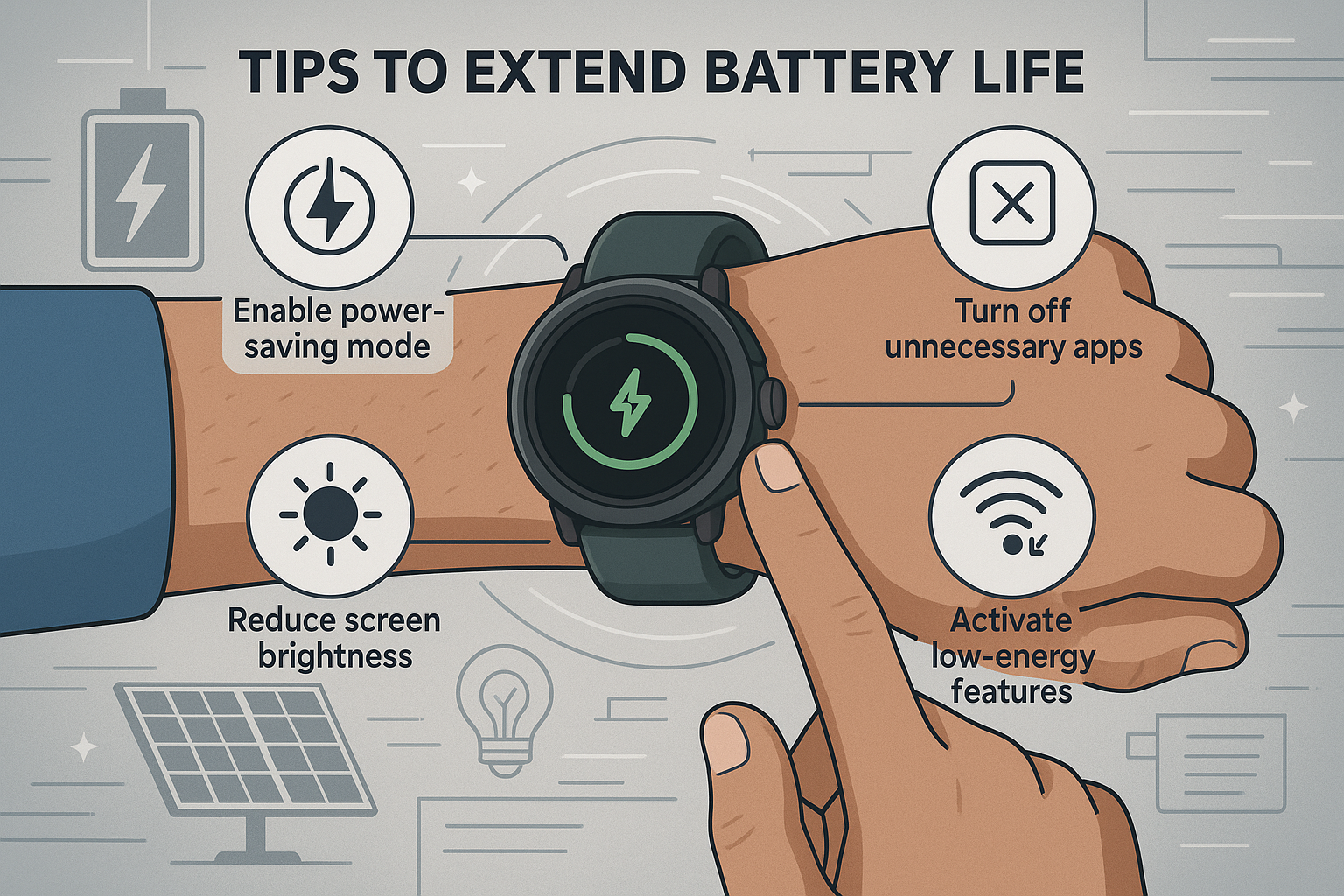
- Battery Life: Powering AR displays and AI processing drains batteries quickly. Most devices still need frequent charging.
- Privacy Concerns: Built-in cameras raise legitimate questions about recording in public spaces without consent.
- High Pricing: Premium AR glasses remain expensive, putting them out of reach for most consumers.
- Social Acceptance: Many people still feel uncomfortable wearing or being around camera-equipped eyewear in public.
These are real barriers, but the industry is actively working on all of them. Advances in battery technology, privacy controls, and manufacturing costs are expected to bring prices down and comfort levels up over the next few years.
What the Future Holds for AR Wearables
The long-term ambition for smart glasses is bold: replace the smartphone as the primary computing device. With continued progress in MicroLED displays, AI edge computing, energy-efficient chips, and spatial computing, this vision is becoming more realistic.
Meta, Apple, and Xreal are not alone. Several startups and established tech companies are racing to build the glasses that will define the next era of personal computing. The question is no longer whether smart glasses will become mainstream — it is when.
For now, the best AR glasses offer a genuine glimpse of a future where information flows naturally into your world, without screens demanding your constant attention. That future is closer than most people think.
Frequently Asked Questions
Smart Glasses 2.0 refers to the latest generation of AR eyewear that combines augmented reality displays, voice-controlled AI assistants, built-in cameras, and open-ear audio in a slim, everyday-friendly design. Unlike the bulky and limited first-generation devices, these glasses are designed to blend into daily life while offering genuinely useful features like real-time navigation, live translation, and hands-free communication.
Meta Platforms, Apple, and Xreal are among the leading companies investing in next-generation smart glasses. Each is taking a different approach — from Meta's Ray-Ban collaboration focused on social and AI features to Apple's spatial computing ambitions and Xreal's focus on immersive AR displays.
The main challenges include limited battery life due to the power demands of AR displays and AI processing, privacy concerns around built-in cameras in public spaces, high retail prices that limit mass adoption, and ongoing social acceptance issues. The industry is actively working on solutions, including better battery technology and stronger privacy controls.