When work takes people into dangerous, remote, or physically demanding places, standard smartwatches and fitness bands simply cannot keep up. Wearables designed for extreme environments are purpose-built smart devices that survive and perform where ordinary gadgets fail. From deep mines to active fire zones, these rugged devices are becoming essential tools for worker safety and operational efficiency.
What Makes a Wearable “Extreme Environment Ready”?
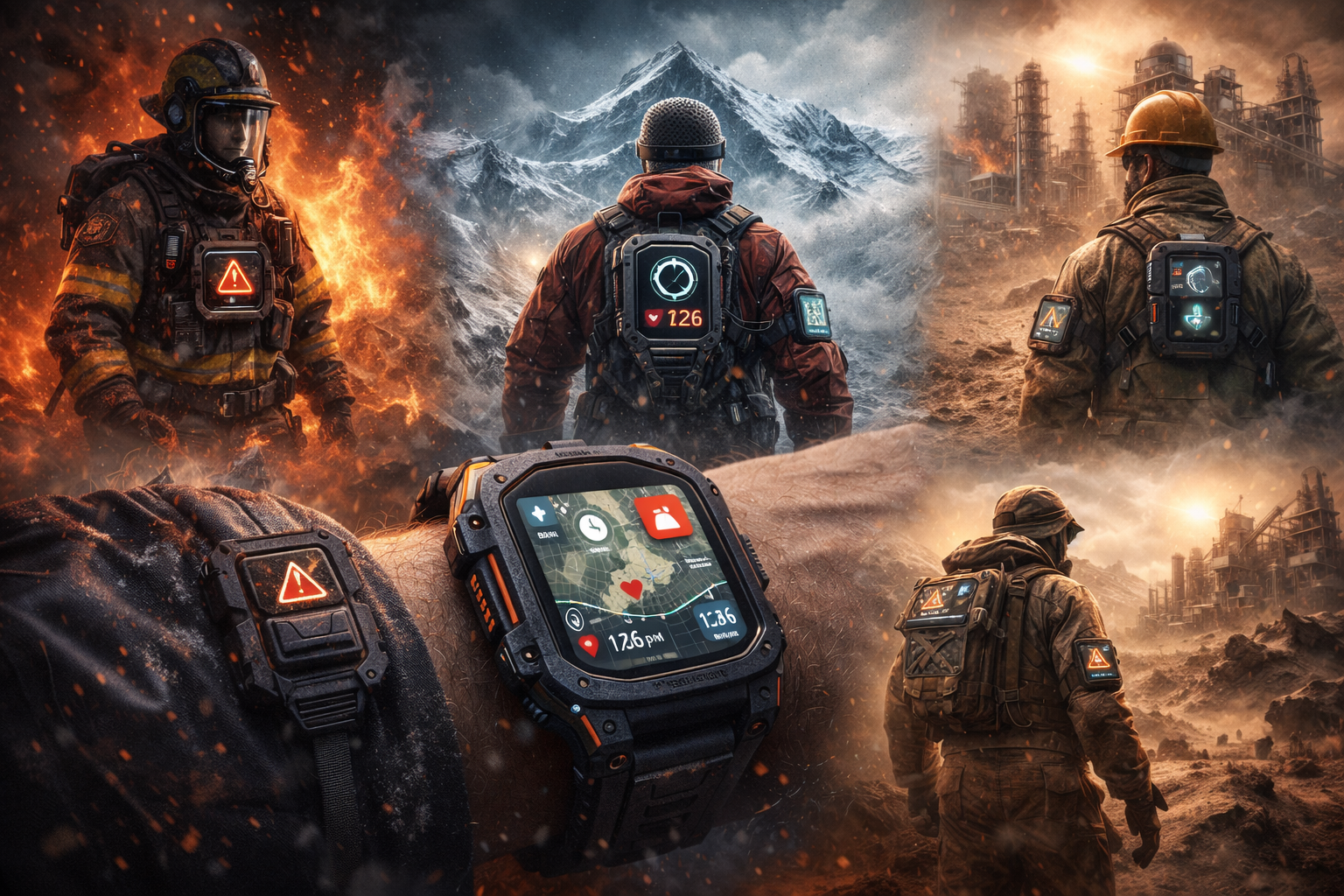
Not every smartwatch can handle a construction site, a burning building, or a high-altitude mountain expedition. Wearables built for extreme environments go through rigorous engineering to meet specific durability standards.
Key features that set them apart include:
- Waterproof and dustproof ratings — typically certified under IP67, IP68, or MIL-STD-810 military standards
- Shock resistance — built to survive accidental drops, heavy impacts, and strong vibrations
- Temperature tolerance — functional in extreme heat and freezing cold where regular electronics fail
- Scratch-resistant and reinforced materials — such as hardened glass, reinforced polymer casings, and stainless steel frames
These specifications are not marketing claims. They reflect real-world testing that ensures the device keeps working when conditions get brutal.
Real-Time Health and Safety Monitoring in Dangerous Conditions
One of the biggest advantages of extreme-environment wearables is their ability to continuously track the wearer’s health and physical condition, even in high-risk situations.
Common health metrics these devices monitor include:
- Heart rate and heart rate variability
- Body temperature and core heat stress levels
- Blood oxygen saturation (SpO2)
- Movement, posture, and fatigue indicators
This real-time data helps workers and their supervisors make faster, better-informed decisions. If a firefighter’s heart rate spikes dangerously or a miner’s oxygen levels drop, the system can trigger an immediate alert before the situation becomes life-threatening.
Safety Features That Can Save Lives
Beyond health tracking, these wearables are packed with safety-focused features designed to respond quickly during emergencies.
Some of the most critical safety capabilities include:
- Fall detection — automatically detects if a worker has fallen and sends an alert if there is no movement response
- Emergency SOS alerts — allows the wearer to manually trigger distress signals to a central monitoring team
- GPS and location tracking — helps rescue teams pinpoint the exact location of an injured or trapped worker
- Lone worker protection — monitors workers operating alone in isolated areas and raises alerts if check-ins are missed
These features are not just convenient additions. In industries like mining, oil and gas, and military operations, they can be the difference between a timely rescue and a fatal outcome.
Long Battery Life and Offline Functionality
In remote or off-grid environments, charging a device every day is not practical. Extreme-environment wearables are designed with this reality in mind.
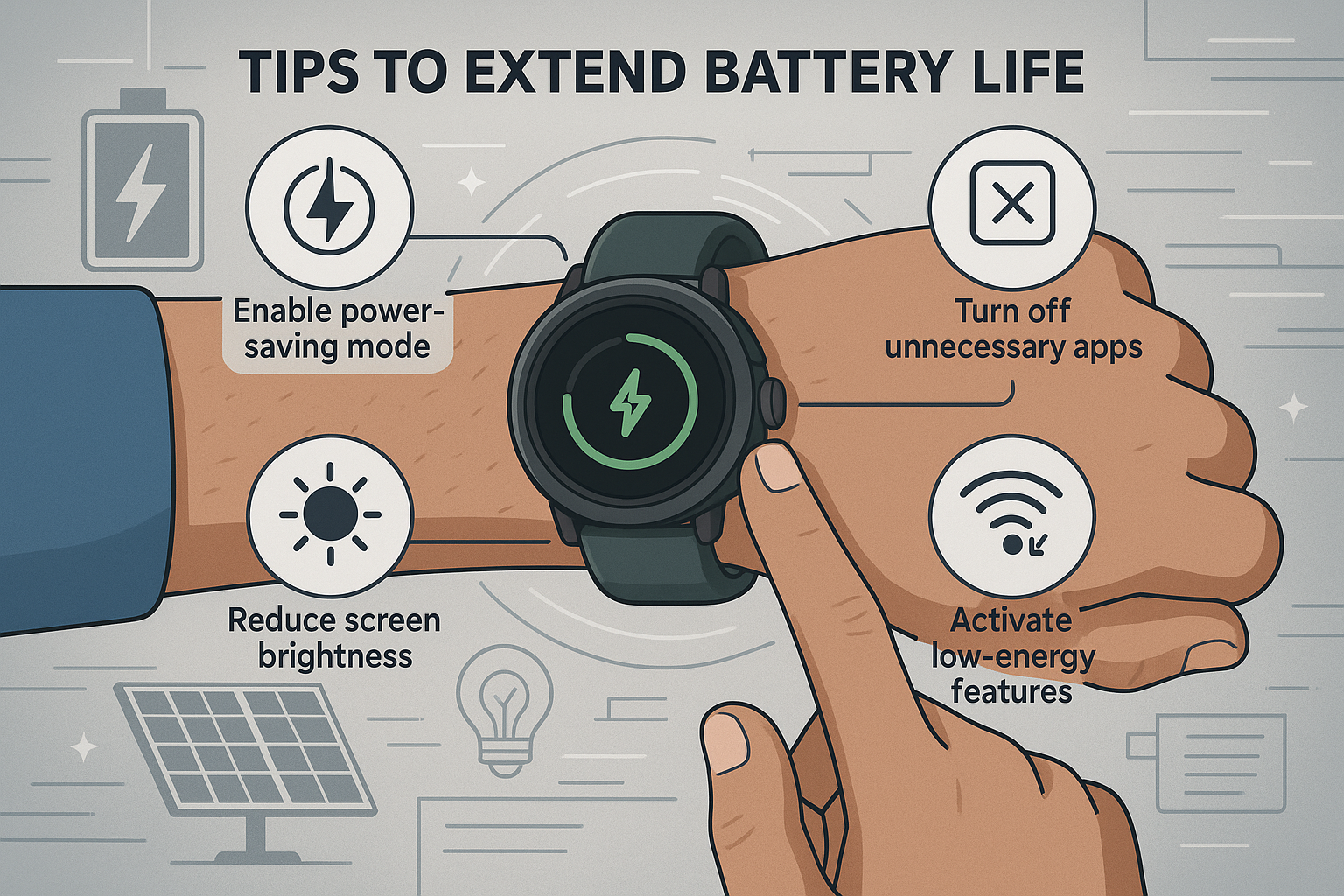
Most rugged wearables offer extended battery life ranging from several days to weeks on a single charge, depending on usage. Some models include solar charging panels or energy-harvesting technology to extend operational time further.
Equally important is offline functionality. Many of these devices can store data locally when there is no internet or cellular connectivity. Once the wearer returns to a connected zone, the device syncs all recorded data automatically. This ensures no critical health or location information is lost during remote operations.
Industries and Professionals Who Rely on Rugged Wearables
The demand for extreme-environment wearables spans a wide range of industries and job roles. These devices are not limited to one sector — they serve anyone whose work puts them in physically demanding or hazardous conditions.
| Industry | Key Use Case |
|---|---|
| Military and Defence | Soldier health monitoring, location tracking in combat zones |
| Firefighting | Heat stress monitoring, emergency alerts inside burning structures |
| Mining | Gas exposure detection, fall alerts in underground tunnels |
| Construction | Worker fatigue tracking, accident prevention on active sites |
| Search and Rescue | GPS tracking, real-time vitals during rescue operations |
| Outdoor Exploration | Navigation, altitude monitoring, emergency communication |
As workplace safety regulations tighten globally, more organisations are adopting rugged wearables as part of their standard safety protocols.
Where the Technology Is Heading
Rugged wearables are advancing rapidly. Manufacturers are focusing on making these devices lighter, smarter, and more capable without sacrificing durability.
Upcoming developments in this space include:
- Smarter sensors that can detect environmental hazards like toxic gases or radiation
- Improved biometric accuracy for stress and fatigue prediction
- Better integration with central safety management platforms used by large organisations
- Longer battery life through more efficient chipsets and energy harvesting
As these technologies mature, rugged wearables will likely become standard equipment across high-risk industries, much like helmets and safety vests are today.
Wearables designed for extreme environments are far more than durable gadgets. They are active safety systems that protect workers, support emergency response, and help organisations manage risk in the most challenging conditions. As the technology continues to improve, their role in keeping people safe will only grow stronger.
Frequently Asked Questions
These are smart wearable devices built to function reliably in harsh conditions such as extreme heat or cold, heavy rain, dust, strong vibrations, and dangerous work sites. They are typically waterproof, dustproof, shock-resistant, and capable of tracking health data and sending emergency alerts.
Rugged wearables are commonly used by soldiers, firefighters, miners, construction workers, search and rescue teams, and outdoor explorers. Any professional working in physically demanding or hazardous conditions can benefit from these devices.
Yes. Many rugged wearables are designed to store data locally when there is no internet or cellular connection. Once the wearer returns to a connected area, the device automatically syncs all recorded health and location data.