
Ruby continues to prove its relevance in 2024. From major performance improvements in Ruby 3.x to better type safety and modern web frameworks, the language is keeping pace with what developers need today. Whether you build web apps, manage DevOps pipelines, or contribute to open-source projects, there is a lot happening in the Ruby ecosystem worth paying attention to.
Ruby 3.x: Faster Performance and Better Concurrency
The Ruby core team has been working toward a clear goal: make Ruby 3.x three times faster than Ruby 2.x by 2025. That target is well within reach, and the improvements already shipped are making a real difference for developers.
- Enhanced JIT Compiler: The Just-In-Time compiler optimizes code execution at runtime, which means Ruby applications run noticeably faster without requiring major rewrites.
- Improved Fiber Scheduler: Handling multiple tasks at once is smoother now. The updated Fiber Scheduler helps applications scale better and stay responsive under load.
For anyone building web applications or server-side services, these performance gains translate directly into faster response times and lower infrastructure costs.
RBS: Bringing Type Safety to Ruby
Ruby has always been a dynamically typed language, which gives developers flexibility but can also lead to hard-to-catch bugs. Ruby Signature Files, known as RBS, address this by allowing developers to define type signatures for their code.
- Static Type Checking: Tools like steep use RBS files to catch type errors before the code even runs. This reduces bugs and improves overall code reliability.
- Better Documentation: Type annotations make it easier for teams to understand complex codebases, which is especially useful in large projects with multiple contributors.
Ruby remains dynamic at its core, but RBS gives teams an optional layer of safety that makes production code more trustworthy.
Web Frameworks in 2024: Rails 7.x vs Hanami
Ruby on Rails remains the dominant choice for web development in the Ruby world, but the framework landscape is more interesting than ever.
| Framework | Key Strength | Best For |
|---|---|---|
| Rails 7.x | Real-time updates with Hotwire, reduced JavaScript dependency | Full-featured web applications |
| Hanami | Modular architecture, high performance | Developers who prefer lightweight, modular design |
Rails 7.x introduced Hotwire, which enables real-time page updates and better frontend interactivity without relying heavily on JavaScript frameworks. Hanami, on the other hand, appeals to developers who want a faster, more modular alternative to Rails. Both frameworks are actively maintained and have strong community support.
DevOps and Containerization for Ruby Applications
Modern Ruby development does not stop at writing code. Deployment and infrastructure practices have become a core part of the workflow.
- Docker Integration: Ruby developers are increasingly containerizing their applications using Docker. This makes it easier to deploy and scale apps across different environments consistently.
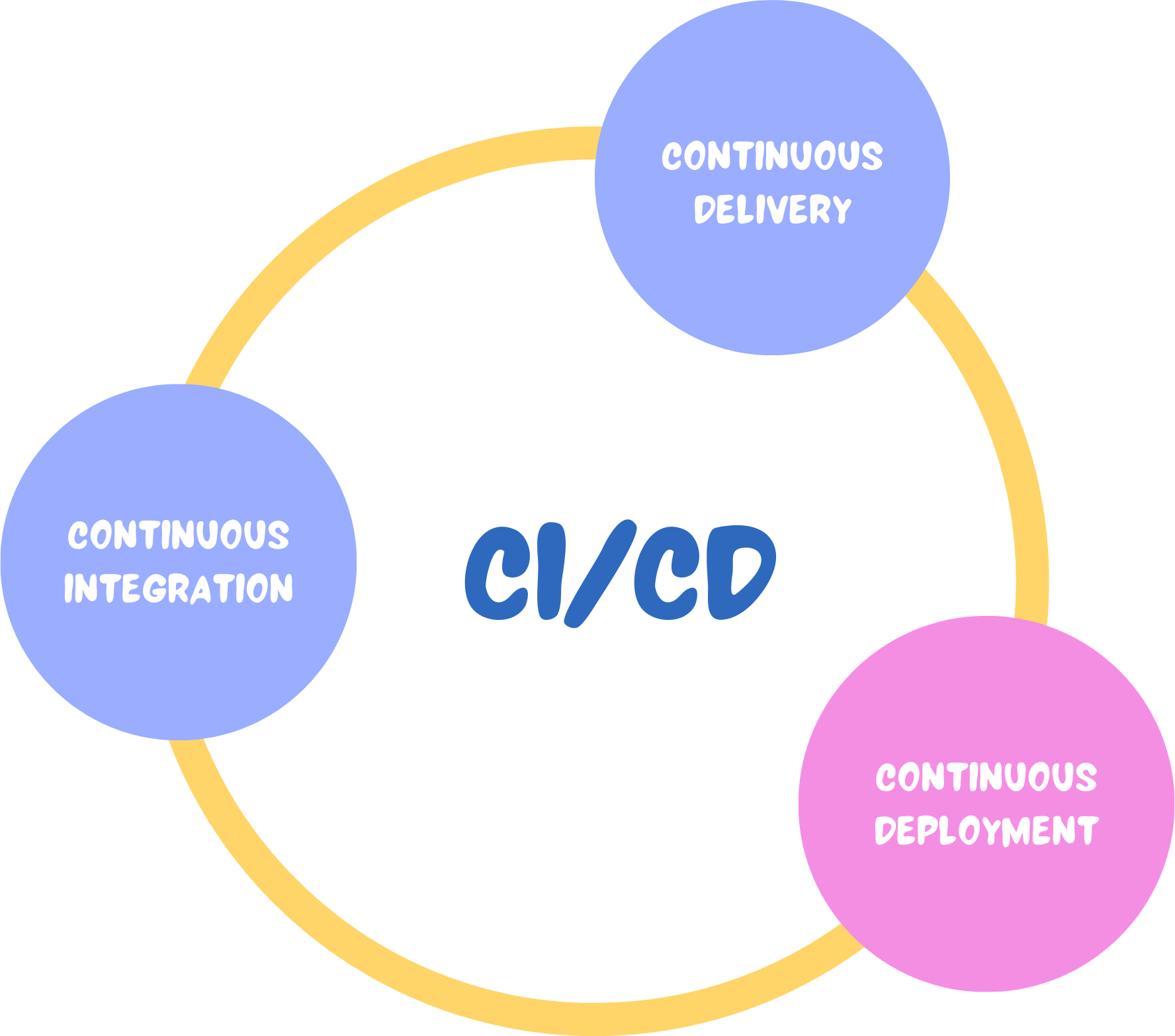
- CI/CD Pipelines: Automated testing and deployment workflows help teams ship updates faster while catching issues early. Tools that support continuous integration and continuous delivery are now standard in most Ruby projects.
Adopting these DevOps practices reduces deployment friction and improves application reliability across development, staging, and production environments.
Security Best Practices for Ruby Apps in 2024
Security remains a top priority for Ruby developers, and the community is taking it seriously.
- Regular Security Patches: The Ruby core team releases frequent updates to address known vulnerabilities. Staying on a supported version of Ruby is one of the simplest ways to keep applications secure.
- Dependency Auditing: Tools like bundler-audit help developers scan their gem dependencies for known security issues before they become a problem in production.
- Secure Coding Practices: The Ruby community actively promotes best practices around input validation, authentication, and data handling.
Keeping dependencies updated and running regular security audits should be part of every Ruby project’s routine, regardless of its size.
Growing Gem Ecosystem and Open-Source Contributions
One of Ruby’s greatest strengths has always been its rich library ecosystem, and that ecosystem continues to grow in 2024.
- New gems are being released regularly, covering everything from API integrations to data processing and machine learning utilities.
- Open-source contributions to existing gems have increased, with more developers sharing tools, fixes, and improvements with the wider community.
Exploring RubyGems.org for new libraries relevant to your project is always a good habit. The community is active, and there is a good chance someone has already built something that solves your problem.
Ruby in 2024 is a language that has matured without losing its developer-friendly character. With faster runtimes, optional type safety through RBS, modern web frameworks like Rails 7.x and Hanami, strong DevOps tooling, and a growing gem ecosystem, Ruby developers have more to work with than ever. Whether you are starting a new project or maintaining an existing one, the improvements coming out of the Ruby community this year make it a strong choice for web development and beyond.
Frequently Asked Questions
Ruby 3.x focuses on performance and concurrency. Key improvements include an enhanced JIT compiler that speeds up runtime execution and an improved Fiber Scheduler that makes handling multiple concurrent tasks more efficient. The goal is to make Ruby 3.x three times faster than Ruby 2.x by 2025.
RBS stands for Ruby Signature Files. It allows developers to define type signatures for Ruby code, enabling static type checking through tools like steep. This helps catch type-related bugs before runtime and makes large codebases easier to document and maintain, without removing Ruby's dynamic nature.
It depends on your project needs. Rails 7.x is a mature, full-featured framework with Hotwire for real-time updates and a large ecosystem, making it ideal for most web applications. Hanami is a lighter, more modular alternative that prioritizes performance and clean architecture, which suits developers who prefer a more structured approach.