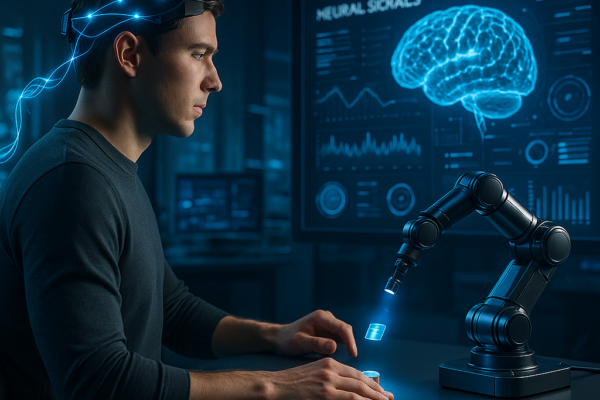
Neuro-Robotics Explained: How the Human Brain Is Learning to Control Machines
Neuro-robotics is turning science fiction into reality by linking the human brain to machines through brain-computer interfaces. Here is how it works and why it matters.

Neuro-robotics is turning science fiction into reality by linking the human brain to machines through brain-computer interfaces. Here is how it works and why it matters.
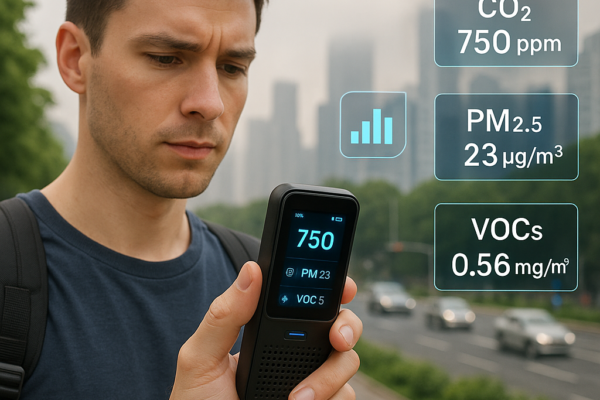
Portable air-quality sensors let you monitor PM2.5, CO₂, VOCs, and humidity in real time. Here is how they work and why more people are using them daily.
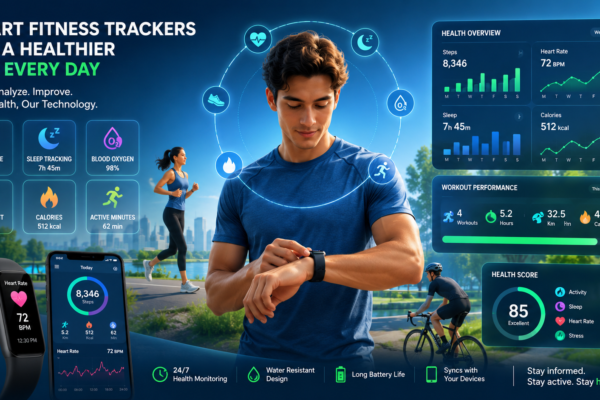
Looking for the best fitness tracker in 2026? Explore top wearables from Fitbit, Garmin, Apple, Samsung, and Amazfit for accurate health monitoring, sleep tracking, and GPS.
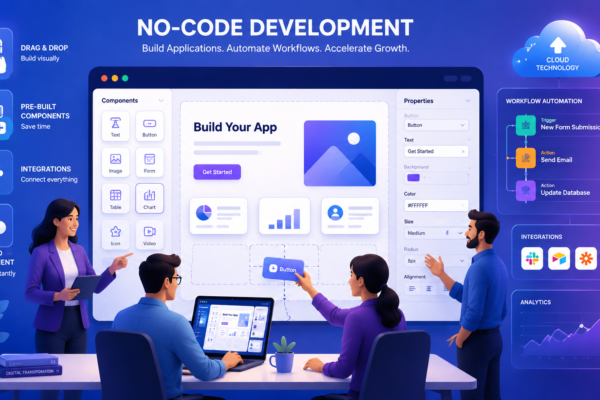
No-code development lets businesses build apps and automate workflows without writing code. Explore its key benefits, real limitations, and when it makes sense to use it over traditional development.
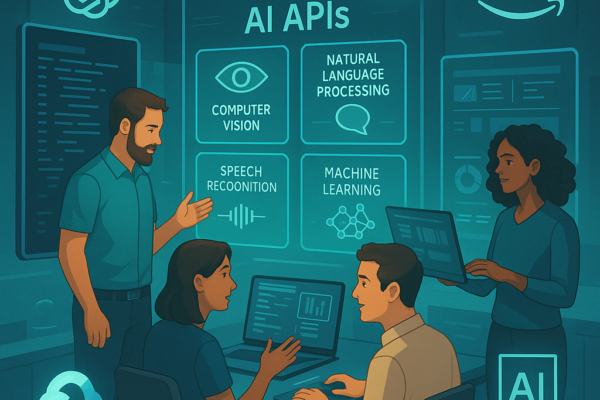
Explore the best AI APIs developers can use in 2024 to add chatbots, image recognition, speech-to-text, and language translation features to their apps without building models from scratch.

Natural Language Processing is transforming how we interact with robots. From voice assistants to hospital robots, NLP helps machines understand and respond to human language naturally.
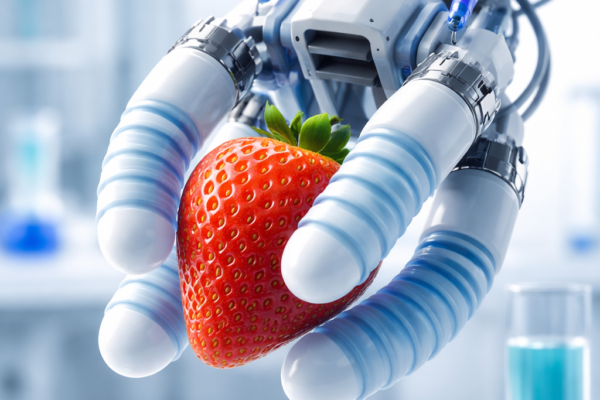
Soft robots and bio-hybrid robots are changing automation with flexible materials and living biological components. Learn how they work and where they are being used today.
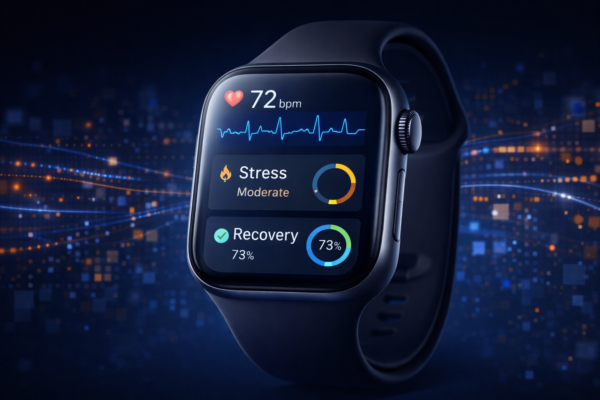
Real-time biointelligence wearables are redefining personal health in 2026. These smart devices go beyond step counting to deliver live, personalized health insights using advanced sensors.
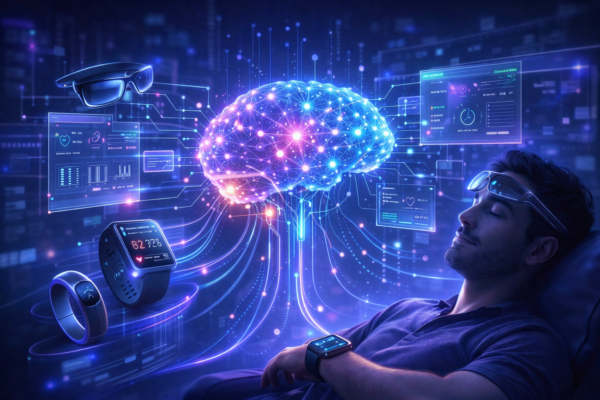
AI-powered wearables are no longer just fitness trackers. They now detect stress, monitor heart health, and offer personalized advice — all automatically, without constant user input.
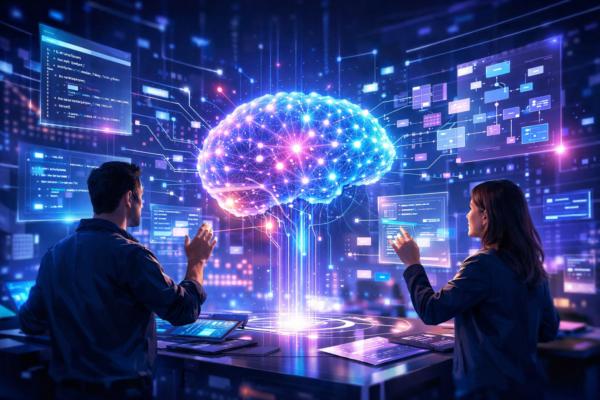
AI-First software puts artificial intelligence at the core of app development, allowing systems to learn, adapt, and make smart decisions automatically from the start.