
Smart Cities and IoT: How Technology Is Reshaping Urban Life
Smart cities are using IoT technology to transform urban life — from smarter traffic systems and sustainable energy grids to faster emergency response and cleaner environments.

Smart cities are using IoT technology to transform urban life — from smarter traffic systems and sustainable energy grids to faster emergency response and cleaner environments.
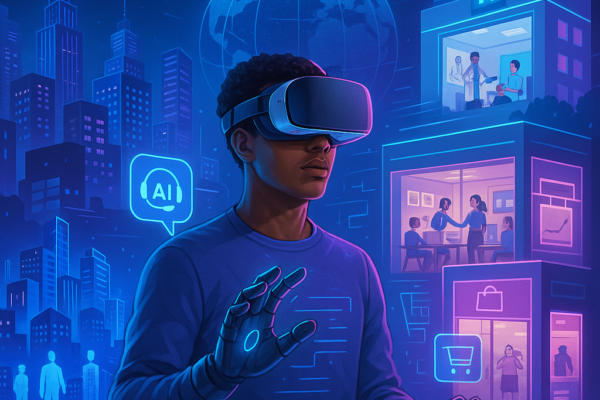
Extended Reality (XR) and the Metaverse are transforming healthcare, education, retail, and remote work. Here is what these technologies are and why they matter now.
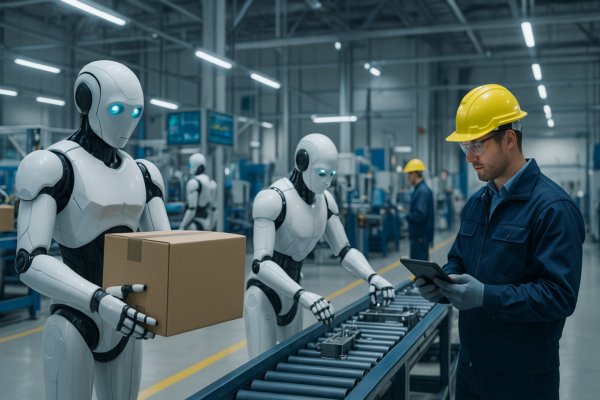
Humanoid robots like Tesla Optimus, Hyundai Atlas, and Grace are now actively working in factories, hospitals, and stores. Here is how real-world robot deployment is reshaping industries in 2025.

A reliable bug tracker helps software teams catch issues early, assign responsibility, and ship better products. Learn the key features, benefits, and best practices for effective bug tracking.
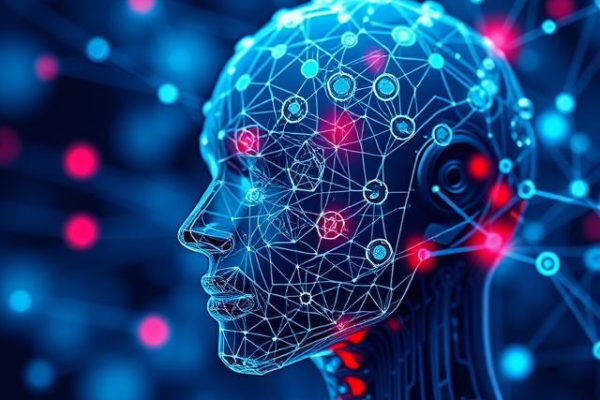
AI assurance is a structured process to evaluate and ensure AI systems are safe, fair, transparent, and trustworthy. Here is why it matters for businesses and users.
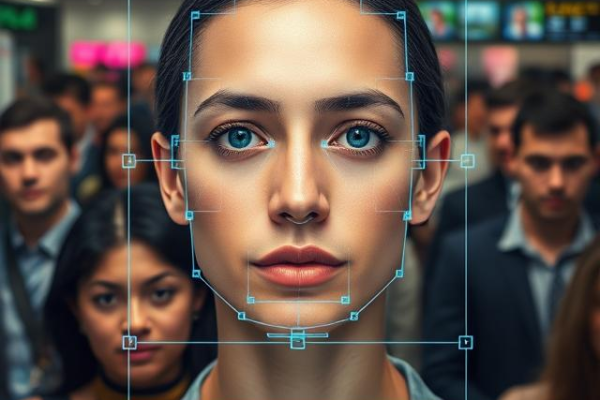
Face detection is a core part of computer vision that powers everything from smartphone unlocking to security surveillance. Here is how it works and where it is heading.
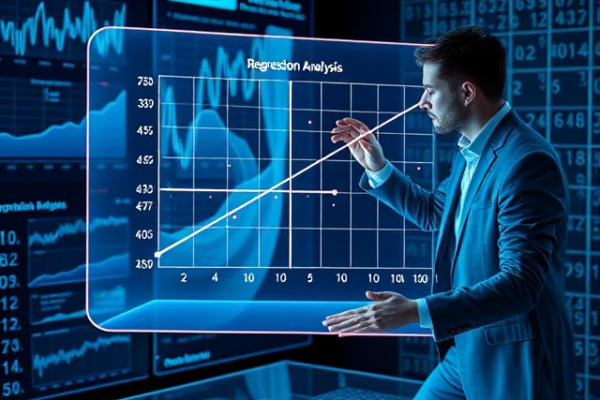
Regression analysis is a core statistical method used across finance, healthcare, marketing, and economics. Learn its types, real-world applications, and the best tools to use.

Wall Street banks and investment firms are actively integrating blockchain technology to speed up trade settlements, tokenize assets, enable stablecoin payments, and improve regulatory compliance.
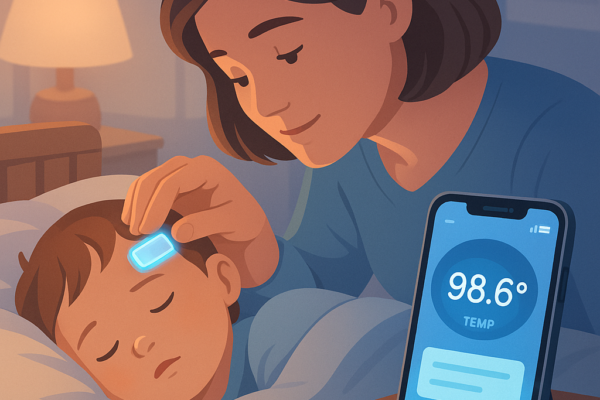
Smart fever patches stick to your child’s skin and send real-time temperature alerts to your phone. Discover how they work, their benefits, and the best brands available.
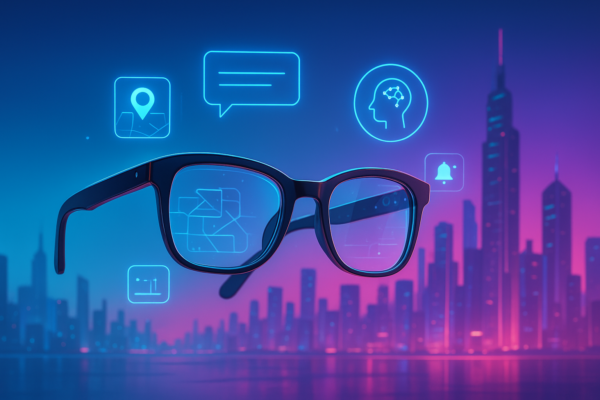
Smart glasses are combining AI and Augmented Reality to deliver hands-free information access. Here is how they work, who is using them, and why experts call them the future of wearable tech.