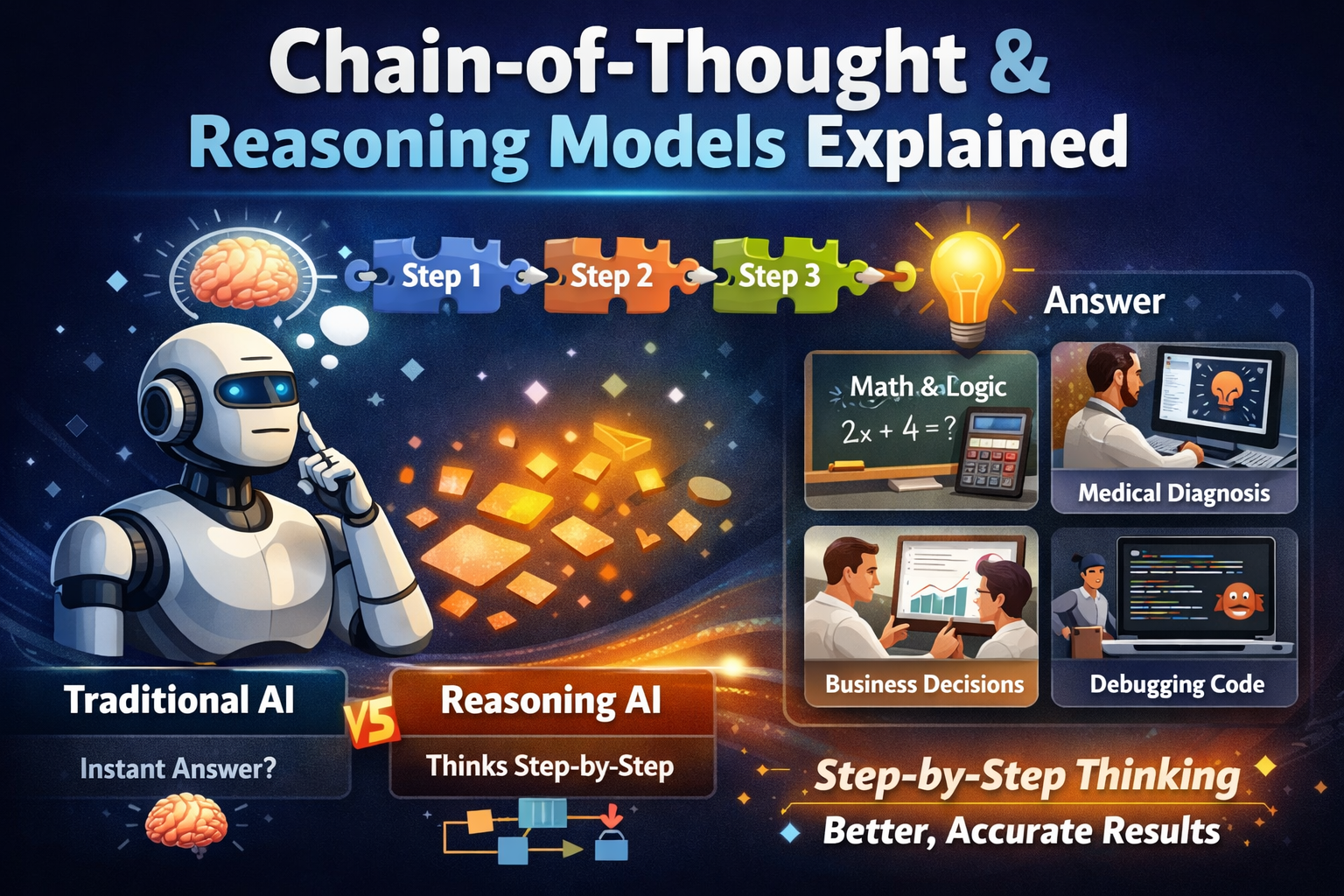
Generative AI has taken a significant leap forward with a new model that can produce high-quality text, images, and videos with minimal human input. Powered by advanced natural language processing (NLP) and machine learning, this technology is reshaping how content is created across marketing, entertainment, education, and beyond.
What Makes This Generative AI Model Different
Earlier AI tools required heavy human guidance to produce usable content. This new generative AI model works with far greater independence. It can write compelling marketing copy, craft detailed blog posts, build complex narratives, and generate visually rich images — all with a level of accuracy and creativity that was previously hard to achieve with automated systems.
The model’s ability to closely mimic human-style creativity is what sets it apart. Content creators, marketers, and educators are paying close attention because it reduces the time and effort needed to produce polished, audience-ready material.
Industries That Stand to Benefit the Most
The applications of this generative AI model span several major sectors. Here is a look at how different industries can use it:
- Advertising: The model can generate personalized ad copies tailored to specific target audiences, improving campaign relevance and engagement.
- Entertainment: It can produce scripts, storyboards, and creative narratives that help filmmakers and content studios speed up pre-production work.
- Education: Educators can use it to develop customized learning materials that match the pace and style of individual students, making lessons more effective.
- Marketing: Brands can automate content pipelines for blogs, social media, and email campaigns without sacrificing quality.
This wide range of use cases makes the model a practical tool rather than just a technical achievement.
Built for Productivity and Scale
One of the core strengths of this AI model is its architecture, which is designed specifically for productivity and scalability. It can handle multiple content tasks simultaneously, making it suitable for large organizations that need to produce high volumes of content regularly.
Unlike earlier systems that struggled when asked to switch between content types, this model manages text, visuals, and structured formats without a significant drop in output quality. For businesses managing content across multiple platforms, this kind of flexibility is a major practical advantage.
| Industry | Use Case | Key Benefit |
|---|---|---|
| Advertising | Personalized ad copy generation | Higher audience relevance |
| Entertainment | Script and storyboard creation | Faster pre-production |
| Education | Tailored learning materials | Better student engagement |
| Marketing | Blog, social, and email content | Scalable content production |
What This Means for the Future of Creative Work
As generative AI continues to mature, its role in creative industries will only grow. The technology is already making content production faster and more accessible. Professionals who once spent hours drafting, editing, and revising can now use AI-generated drafts as strong starting points.
This does not mean human creativity becomes less important. Instead, it shifts the focus. Writers, designers, and educators can spend more time on strategy, storytelling, and personalization — areas where human judgment still adds the most value.
The broader impact is a more level playing field. Smaller businesses and independent creators who previously lacked the resources to produce large volumes of quality content can now compete more effectively with larger organizations.
In conclusion, this new generative AI model represents a meaningful step forward in how content is produced and distributed. Its ability to work across text, images, and video — at scale and with strong accuracy — makes it a practical asset for anyone involved in content-driven work, from marketers and filmmakers to teachers and small business owners.
Frequently Asked Questions
Generative AI refers to artificial intelligence systems that can produce new content — including text, images, and videos — based on patterns learned from large datasets. These models use techniques like natural language processing and machine learning to generate human-like output with minimal manual input.
The latest generative AI model has practical applications in advertising, entertainment, education, and marketing. It can write personalized ad copy, generate scripts and storyboards, create tailored learning materials, and automate blog or social media content at scale.
Generative AI is designed to assist rather than replace human creators. It handles repetitive or high-volume content tasks, freeing professionals to focus on strategy, storytelling, and creative direction — areas where human judgment remains essential.