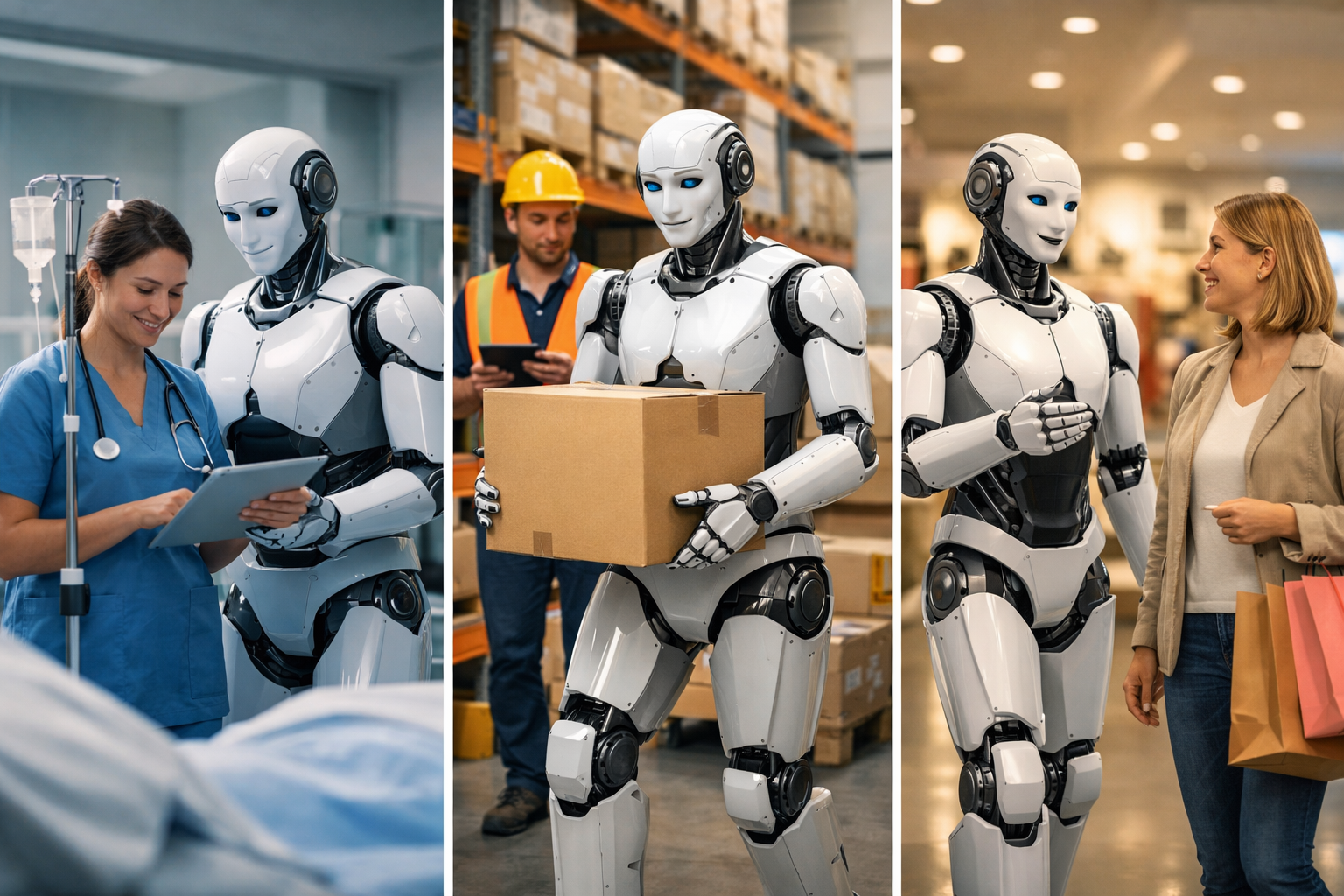
Humanoid robots are no longer confined to science fiction films or research laboratories. Powered by advanced artificial intelligence and improved hardware, these human-shaped machines are now entering factories, hospitals, retail stores, and homes. The shift from concept to real-world application is happening faster than many expected.
What Exactly Are Humanoid Robots?
Humanoid robots are machines built to resemble and move like human beings. They typically have a head, two arms, two legs, and a torso — a structure that allows them to navigate spaces designed for people.
This human-like form gives them a practical advantage. Unlike traditional industrial robots fixed to one spot on an assembly line, humanoid robots can walk through corridors, climb stairs, open doors, and use tools made for human hands. That flexibility is what makes them suitable for a wide range of real-world environments.
Why the Sudden Rise in Humanoid Robots?
Several factors are driving the rapid growth of humanoid robotics:
- Better artificial intelligence: Modern robots can now see, hear, interpret speech, and make decisions in real time.
- Labor shortages: Many industries are struggling to find enough workers for repetitive or physically demanding jobs.
- Workplace safety: Robots can take on dangerous tasks, reducing the risk of injury to human workers.
- Falling technology costs: As components become cheaper, building capable humanoid robots is becoming more financially viable for companies.
Together, these factors are pushing businesses to seriously consider humanoid robots as a practical workforce solution rather than a futuristic experiment.
Where Humanoid Robots Are Being Deployed Today
Humanoid robots are already being tested and used across several key sectors. Here is a look at where they are making the most impact:
| Sector | Key Applications |
|---|---|
| Manufacturing | Lifting heavy loads, assembling parts, quality inspection |
| Healthcare | Patient assistance, medicine delivery, elder care support |
| Retail and Customer Service | Greeting customers, answering queries, guiding visitors |
| Homes and Offices | Daily task assistance, companionship, smart living support |
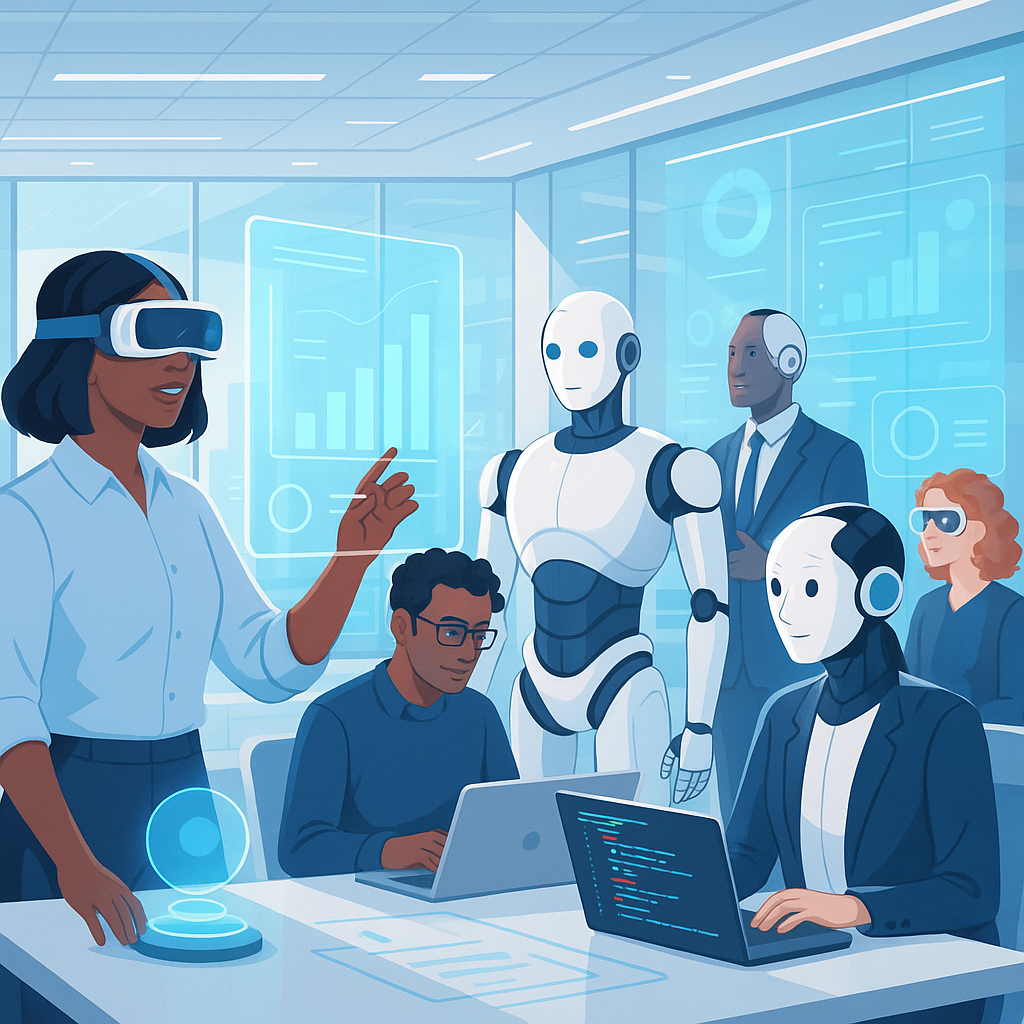
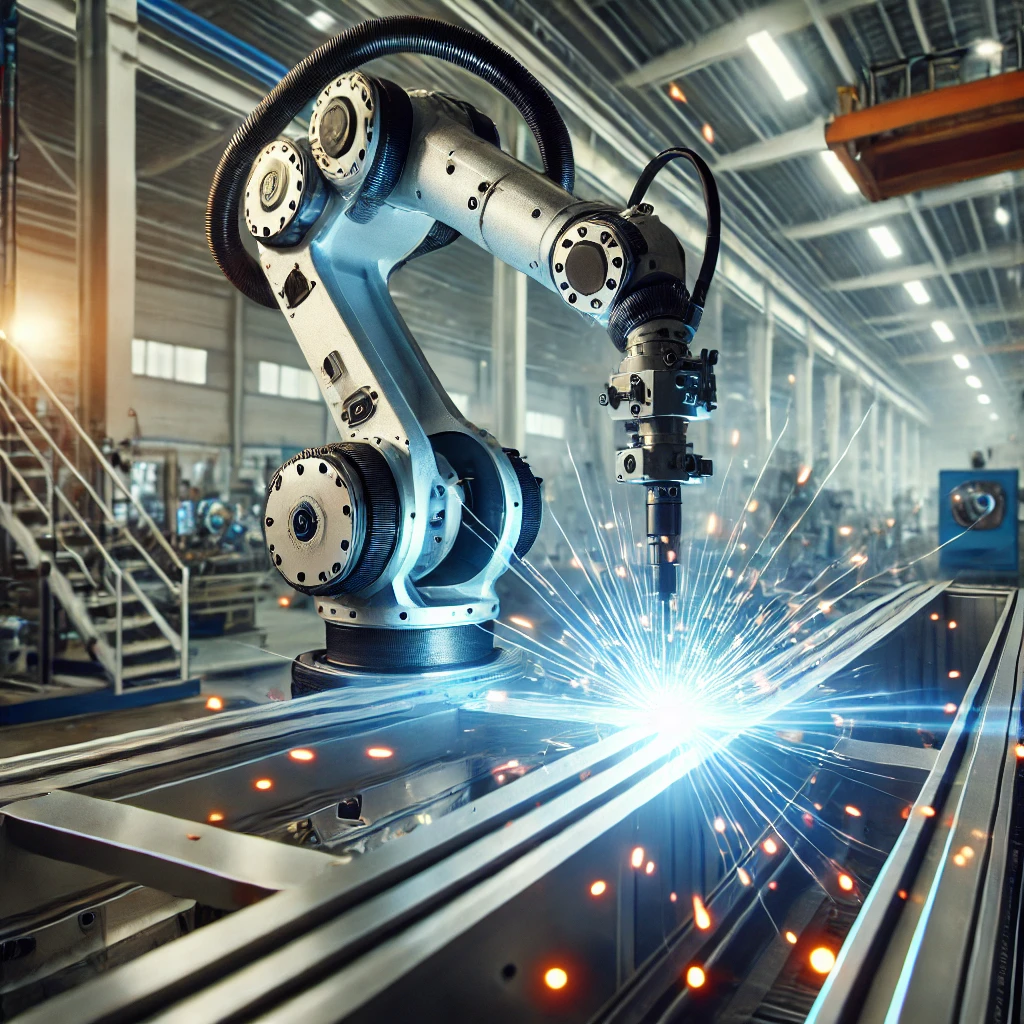
In manufacturing, humanoid robots work alongside human employees to handle physically strenuous or repetitive tasks. This reduces worker fatigue and lowers the chance of workplace injuries while keeping production lines running efficiently.
In healthcare, these robots assist medical staff by moving patients, delivering medications, and providing basic monitoring support. For elderly patients living alone, humanoid robots also offer companionship and help with routine daily activities — a growing need as populations age globally.
In retail and customer service, their human-like appearance and ability to interact naturally make customers feel at ease. Robots that can answer questions, point customers to the right aisle, or handle basic service requests free up human staff for more complex tasks.
The Role of Artificial Intelligence in Making It All Work
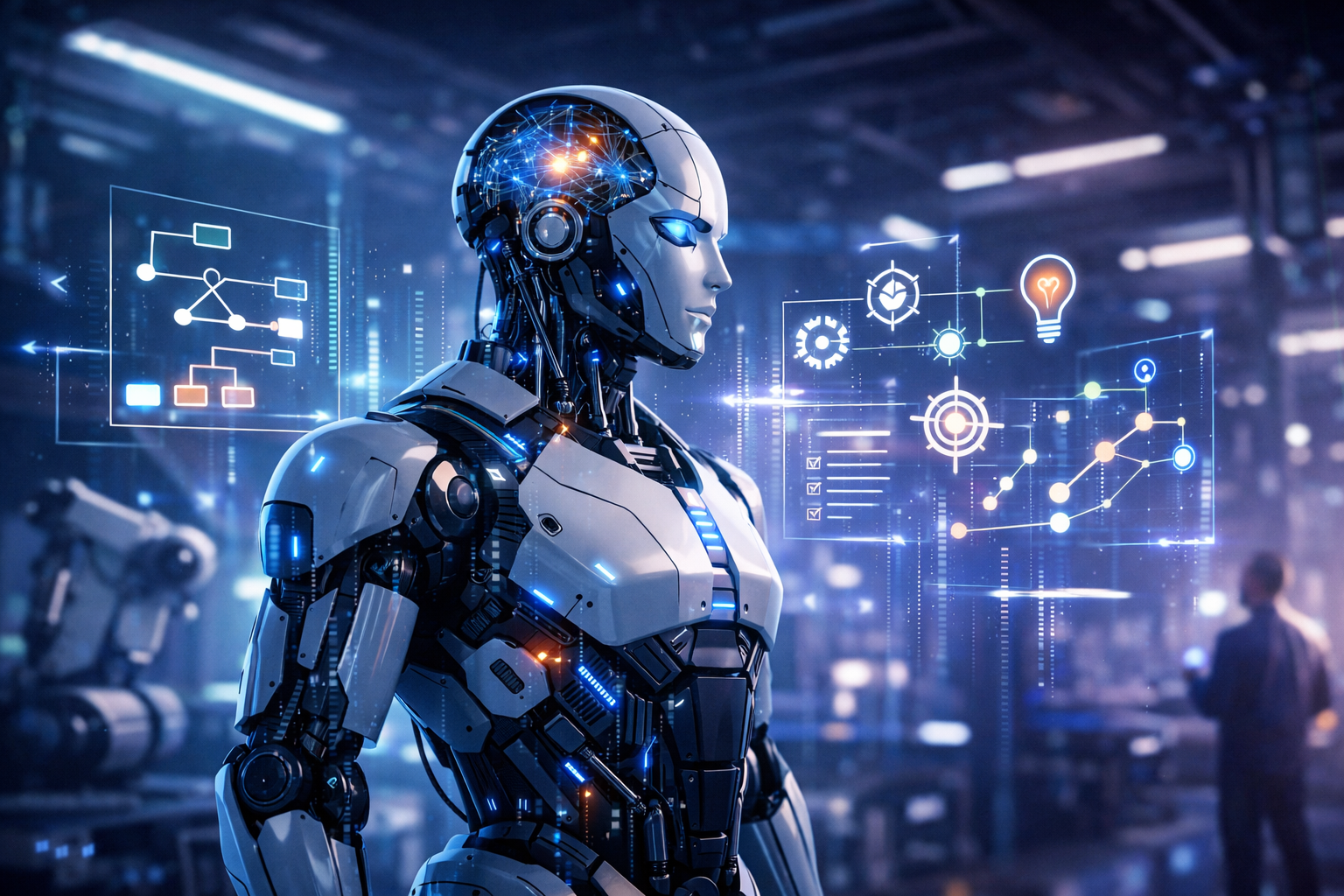
Artificial intelligence is what separates today’s humanoid robots from the clunky mechanical prototypes of the past. Modern robots use AI to:
- Recognize objects and people in their surroundings
- Understand and respond to spoken commands
- Learn new tasks through repeated practice and data
- Adapt their behavior based on changing environments
This ability to learn and adapt is critical. A robot that can only follow pre-programmed instructions has limited use. One that can observe, adjust, and improve over time becomes genuinely useful in unpredictable, real-world settings.
Key Challenges That Still Need to Be Solved
Despite the progress, humanoid robots are not without serious limitations. The road to widespread adoption still has significant hurdles:
- High production costs: Building a capable humanoid robot remains expensive, putting them out of reach for smaller businesses.
- Battery life: Most humanoid robots have limited operating time before needing to recharge, which restricts their usefulness in continuous operations.
- Safety concerns: Robots working closely with humans must be designed to avoid accidents, which requires extensive testing and regulation.
- Ethical questions: As robots take on more roles, questions around job displacement, data privacy, and accountability need clear answers from policymakers and industry leaders.
Addressing these challenges will determine how quickly humanoid robots move from pilot programs to mainstream use.
The future trajectory for humanoid robots is positive. As technology matures and costs drop, these machines are expected to become common fixtures in workplaces and homes. They will not replace human workers entirely, but they will handle tasks that are dangerous, repetitive, or physically demanding — freeing people to focus on work that requires creativity, judgment, and human connection.
Industries that invest early in humanoid robot technology are likely to gain a competitive edge in productivity and safety. For the rest of us, the era of working alongside robots is no longer a distant possibility — it is already beginning.
Frequently Asked Questions
Humanoid robots are used in manufacturing for lifting and assembling, in healthcare for patient assistance and medicine delivery, and in retail for customer service and guidance. They are also being explored for use in homes to help with daily tasks.
Unlike traditional industrial robots that are fixed to one location, humanoid robots have a human-like body structure with arms, legs, and a head. This allows them to move through human environments, use tools made for people, and interact naturally with workers and customers.
The main challenges include high manufacturing costs, limited battery life, safety requirements when working near humans, and unresolved ethical and regulatory questions around job displacement and accountability.