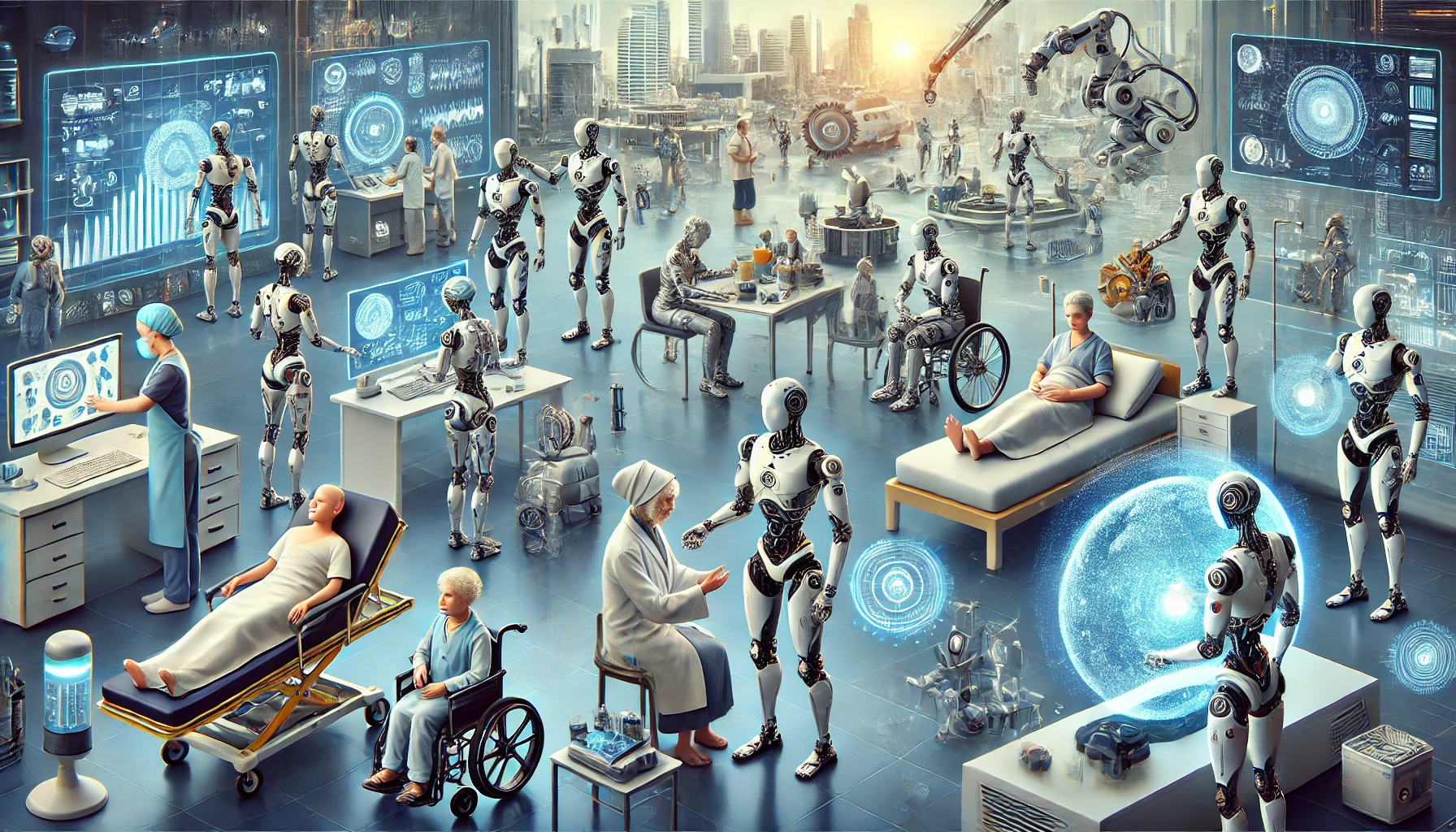
Humanoid robots have moved well beyond science fiction. Today, they walk factory floors, assist patients in hospitals, and interact with customers in retail spaces. Powered by advanced artificial intelligence, sensors, and computer vision, these machines are reshaping how humans work, live, and interact with technology. Here is a clear look at what humanoid robots can do right now and where they are headed.
What Are Humanoid Robots?
A humanoid robot is a machine designed to look and move like a human being. It has a head, torso, arms, and legs. Unlike traditional industrial robots that perform a single repetitive task, humanoid robots are built to adapt. They can navigate human environments, respond to voice commands, recognize gestures, and even read facial expressions.
This human-like design is not just for aesthetics. It allows these robots to use tools, furniture, and spaces built for people — without requiring special modifications to the environment. That makes them far more practical across a wide range of real-world settings.
What Humanoid Robots Can Do Right Now
The capabilities of today’s humanoid robots are already impressive. Here is what they are doing across different areas:
- Human-like movement: Modern humanoid robots can walk, run, climb stairs, and navigate uneven terrain. This makes them useful in search and rescue operations, space exploration, and logistics.
- Natural interaction: Using voice recognition and gesture detection, these robots can hold conversations, assist customers, and support elderly individuals with daily tasks.
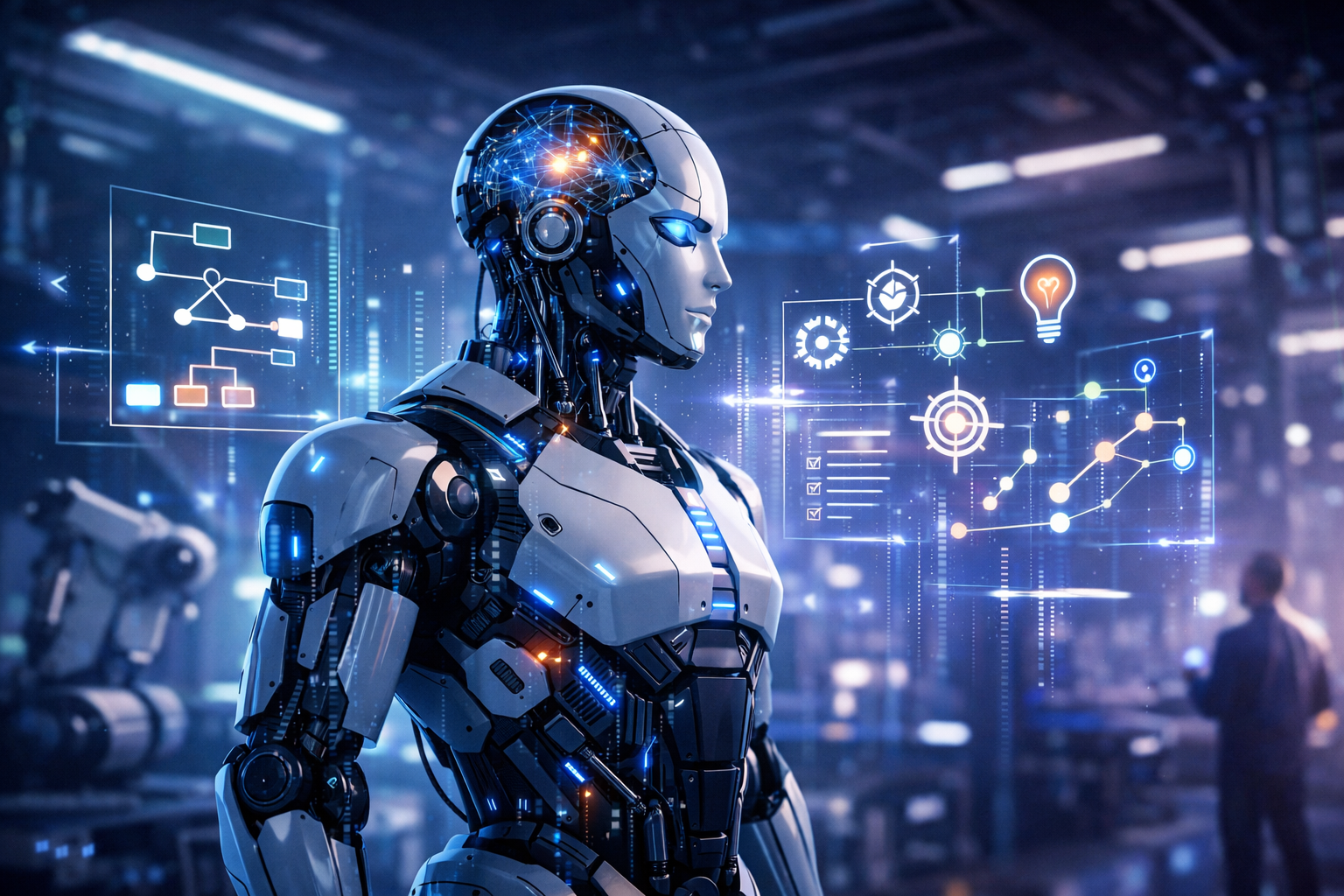
- Learning and adapting: Thanks to machine learning, humanoid robots do not just follow fixed instructions. They learn from experience, improve over time, and personalise their responses based on user preferences.
- Assisting people with disabilities: Some humanoid robots are specifically designed to offer companionship and practical help to people with physical or cognitive disabilities.
- Healthcare support: Robots are already being tested in hospitals to monitor patients, deliver medication, and assist medical staff with routine tasks.
Key Applications Across Industries
| Industry | Current Use | Future Potential |
|---|---|---|
| Healthcare | Patient monitoring, medication delivery | Surgical assistance, elder care |
| Retail | Customer service, product guidance | Fully automated store assistance |
| Manufacturing | Assembly line support | Human-robot collaborative workspaces |
| Education | Interactive learning aids | Personalised tutoring robots |
| Emergency Services | Search and rescue operations | Disaster response in hazardous zones |
What the Future Holds for Humanoid Robots
The next phase of humanoid robotics is expected to bring even more significant changes across society.
- Healthcare transformation: In regions facing shortages of medical professionals, humanoid robots could fill critical gaps — monitoring vital signs, assisting in surgeries, and providing round-the-clock patient care.
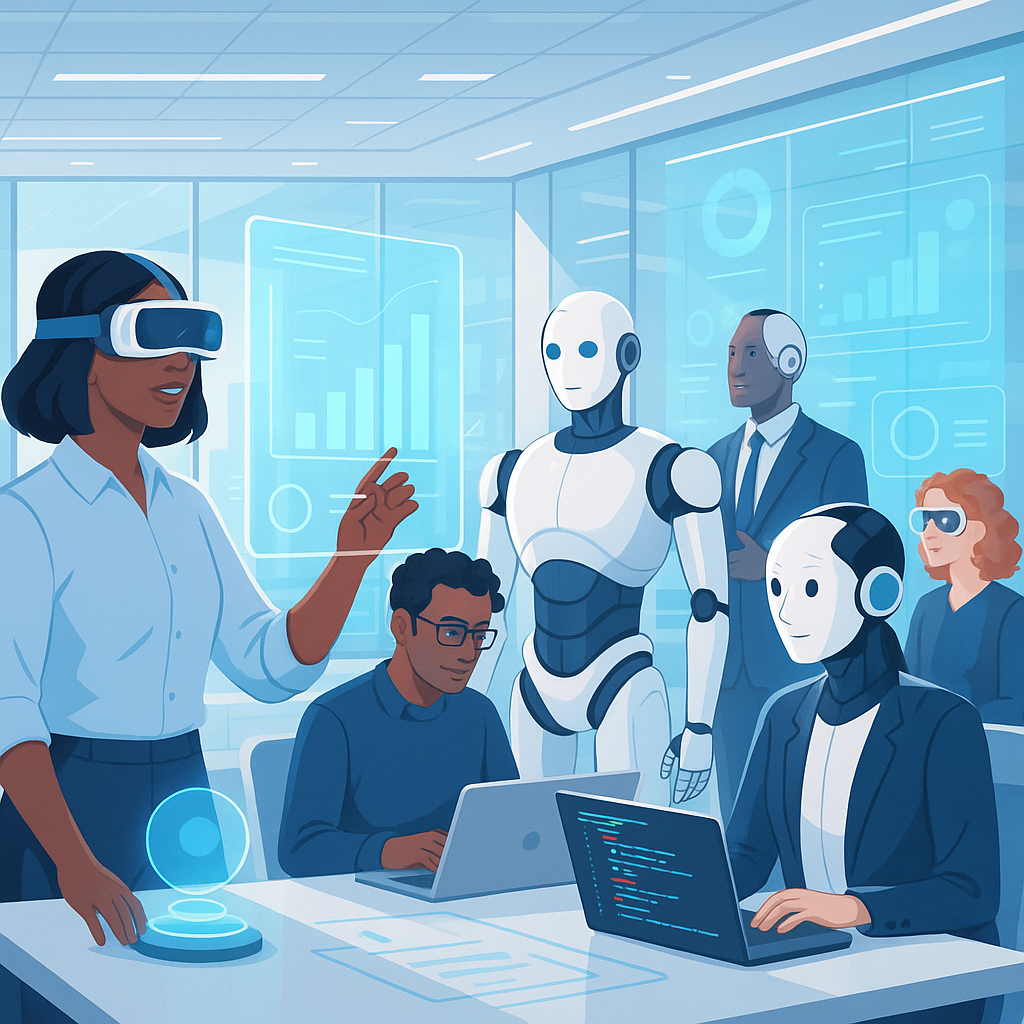
- Human-robot collaboration at work: Future workplaces may see humans and robots working side by side. The robot handles physically demanding or repetitive tasks while the human focuses on decision-making and creativity. This model could raise productivity in factories, hotels, and schools.
- Emotionally intelligent robots: As AI systems become more sophisticated, humanoid robots are expected to detect and respond to human emotions. This opens possibilities in mental health support, therapy, and customer service — areas where empathy and understanding are essential.
- Space and extreme environments: Humanoid robots are being considered for missions where sending humans is too dangerous, including deep space exploration and disaster zones.
Ethics, Safety, and Responsible Robotics
The rapid growth of humanoid robots raises important questions that society must address carefully.
- Privacy concerns: Robots equipped with cameras and microphones collect vast amounts of personal data. Clear regulations are needed to protect user privacy.
- Job displacement: As robots take on more human roles, there is genuine concern about the impact on employment. Policymakers and businesses need to plan for workforce transitions.
- Safety standards: Robots operating near humans must meet strict safety requirements to prevent accidents or misuse.
- Ethical guidelines: Defining the boundaries of robot autonomy and ensuring accountability when things go wrong is critical for public trust.
Governments, technology companies, and researchers are already working on frameworks to address these issues. Getting the rules right will determine how smoothly humanoid robots integrate into everyday life.
Humanoid robots are no longer a distant concept. They are here, they are improving rapidly, and their impact will only grow. From supporting healthcare workers to assisting people with disabilities and eventually working alongside humans in offices and factories, these machines are set to become a meaningful part of daily life. The key is to develop and deploy them responsibly, ensuring that the benefits reach people broadly while the risks are managed carefully.
Frequently Asked Questions
A humanoid robot is a machine designed to resemble and move like a human being, with a head, torso, arms, and legs. Unlike traditional robots built for single tasks, humanoid robots can navigate human environments, interact through voice and gestures, and adapt to different situations using artificial intelligence.
Today, humanoid robots are used in healthcare for patient monitoring and medication delivery, in retail for customer service, in manufacturing for assembly support, and in search and rescue operations. Some are also designed to assist elderly people and individuals with disabilities.
Key ethical concerns include privacy risks from data collected by robot cameras and microphones, potential job displacement as robots take on more human roles, safety standards for robots operating near people, and the need for clear guidelines on robot autonomy and accountability.